Navigating 2026 Cannabis Regulations: Federal vs. State Guidelines Explained
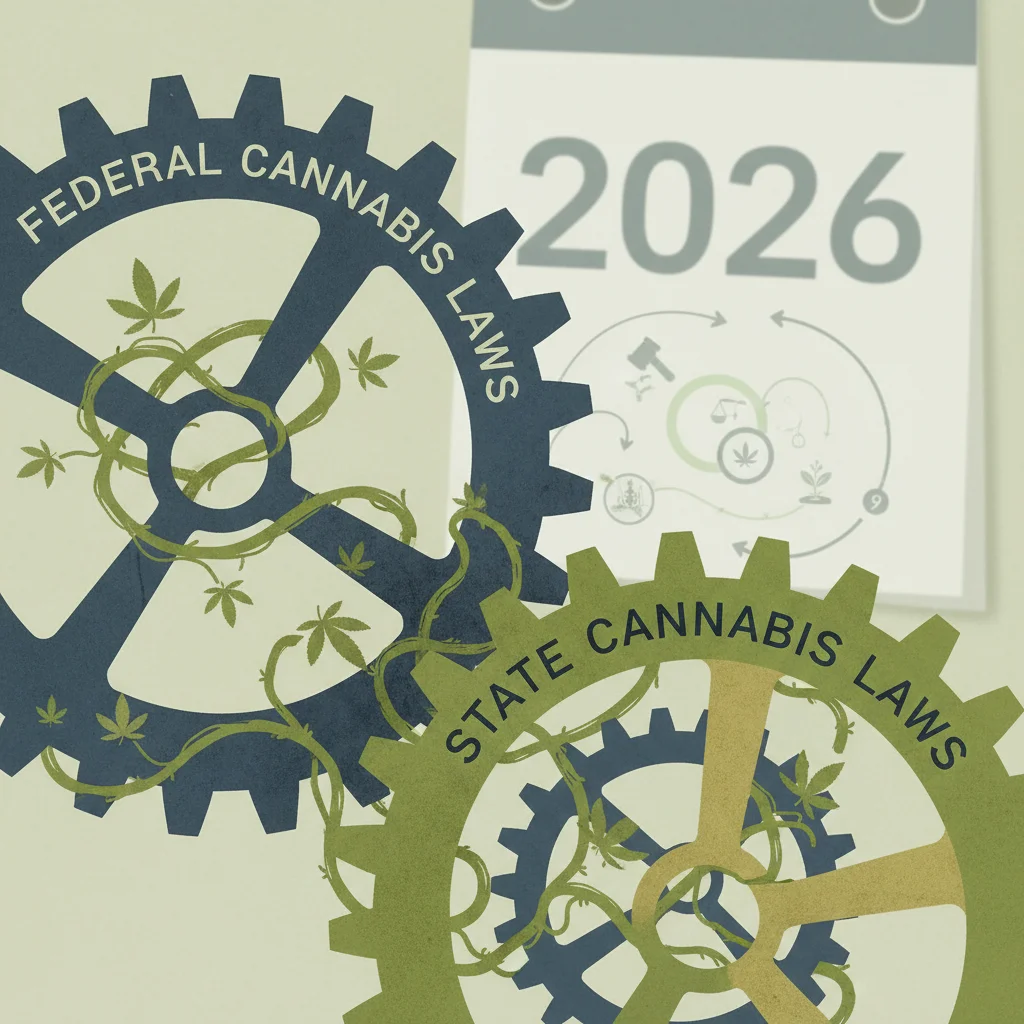
Navigating the Evolving Landscape: Understanding 2026 Cannabis Regulations
The cannabis industry stands at a pivotal juncture, continuously shaped by a dynamic interplay of legal, social, and economic forces. As we look towards 2026, the discussion around cannabis regulations 2026 intensifies, promising significant shifts that will redefine how businesses operate, how consumers access products, and how the plant is perceived on a national and global scale. This comprehensive guide aims to dissect the intricate web of federal and state guidelines, offering clarity on what to expect and how to prepare for the evolving regulatory environment.
For decades, cannabis has been mired in a complex legal quagmire, primarily due to its classification as a Schedule I controlled substance under federal law. This federal prohibition has created a unique tension with the growing number of states that have legalized cannabis for medical and recreational use. This dichotomy has fostered a challenging environment for businesses, financial institutions, and legal professionals alike. However, the momentum for change is undeniable, and 2026 is anticipated to be a year of crucial developments in this ongoing saga.
Understanding the nuances of cannabis regulations 2026 is not merely an academic exercise; it’s a necessity for anyone involved in or impacted by the cannabis industry. From cultivation and processing to distribution and retail, every segment of the supply chain is subject to stringent rules that can vary dramatically from one jurisdiction to another. As more states consider legalization and federal discussions gain traction, anticipating these changes becomes paramount for strategic planning and risk mitigation. This article will delve into the current state of affairs, project potential future scenarios, and provide actionable insights for navigating the complex regulatory landscape.
The Current Federal Stance: A Persistent Paradox
At the heart of the regulatory challenge for cannabis regulations 2026 lies the enduring federal prohibition. Despite widespread state-level legalization, the Controlled Substances Act (CSA) of 1970 continues to list cannabis as a Schedule I drug, alongside heroin and LSD. This classification implies a high potential for abuse and no accepted medical use, a stance that directly contradicts the scientific consensus and the policies of over two-thirds of U.S. states.
This federal-state conflict creates significant hurdles. For instance, cannabis businesses, even those operating legally under state law, often struggle with basic banking services due to federal anti-money laundering regulations. This forces many businesses to operate on a cash-only basis, posing security risks and hindering financial transparency. Furthermore, federal tax code 280E prevents state-legal cannabis businesses from deducting ordinary business expenses, leading to exorbitant effective tax rates that stifle growth and profitability.
The federal government’s approach has historically been one of non-enforcement in states where cannabis is legal, largely guided by the Cole Memorandum (though rescinded by the Trump administration, its principles have largely been followed). However, this non-enforcement is not a guarantee and can change with shifting political tides, leaving the industry in a perpetual state of uncertainty. This precarious situation underscores the urgent need for federal reform, which many hope will materialize by or before 2026.
Discussions around federal descheduling or rescheduling cannabis are gaining momentum. Rescheduling cannabis from Schedule I to a lower schedule, such as Schedule III, would acknowledge its accepted medical uses and potentially alleviate some of the financial and banking pressures. Descheduling, on the other hand, would remove cannabis entirely from the CSA, allowing states to regulate it much like alcohol or tobacco. The implications of either action for cannabis regulations 2026 would be profound, fundamentally altering the operational framework for the entire industry.
State-Level Innovation: A Patchwork of Policies
In stark contrast to the federal government’s static position, individual states have been laboratories of innovation, developing diverse regulatory frameworks for cannabis. As of early 2024, a significant number of states have legalized medical cannabis, and many have also moved to legalize adult-use recreational cannabis. This state-level action is the primary driver of the current cannabis market, and understanding these varied approaches is crucial for anyone navigating cannabis regulations 2026.
Each state’s regulatory model is unique, often reflecting its political climate, public health priorities, and economic goals. Some states, like Colorado and California, have established mature, robust markets with extensive licensing requirements, seed-to-sale tracking, and strict product testing protocols. Others, particularly newer markets, are still refining their regulations, leading to evolving rules around cultivation, manufacturing, distribution, and retail. These differences mean that a business strategy that works in one state may be completely unfeasible or illegal in another.
Key areas of state-level variation include:
- Licensing and Permits: The number and types of licenses available (e.g., cultivation, processing, retail, testing) vary widely, as do the application processes, fees, and eligibility criteria.
- Product Standards: States set their own rules for potency limits, contaminant testing (pesticides, heavy metals, microbial impurities), packaging, and labeling requirements.
- Taxation: Cannabis products are subject to various state and local taxes, including excise taxes, sales taxes, and cultivation taxes, which significantly impact pricing and consumer behavior.
- Advertising and Marketing: Regulations on how cannabis products can be advertised and marketed are often stringent, with restrictions on targeting minors and making unverified health claims.
- Social Equity Programs: Many states are implementing programs designed to address the historical harms of cannabis prohibition, offering preferential licensing or support to individuals and communities disproportionately affected by past drug laws.
As more states consider legalization, either through legislative action or ballot initiatives, the patchwork of policies will continue to expand. Businesses looking to operate across state lines must contend with this complexity, often requiring separate legal teams and operational strategies for each market. The ongoing evolution of these state-level regulations will be a defining feature of the cannabis regulations 2026 landscape.
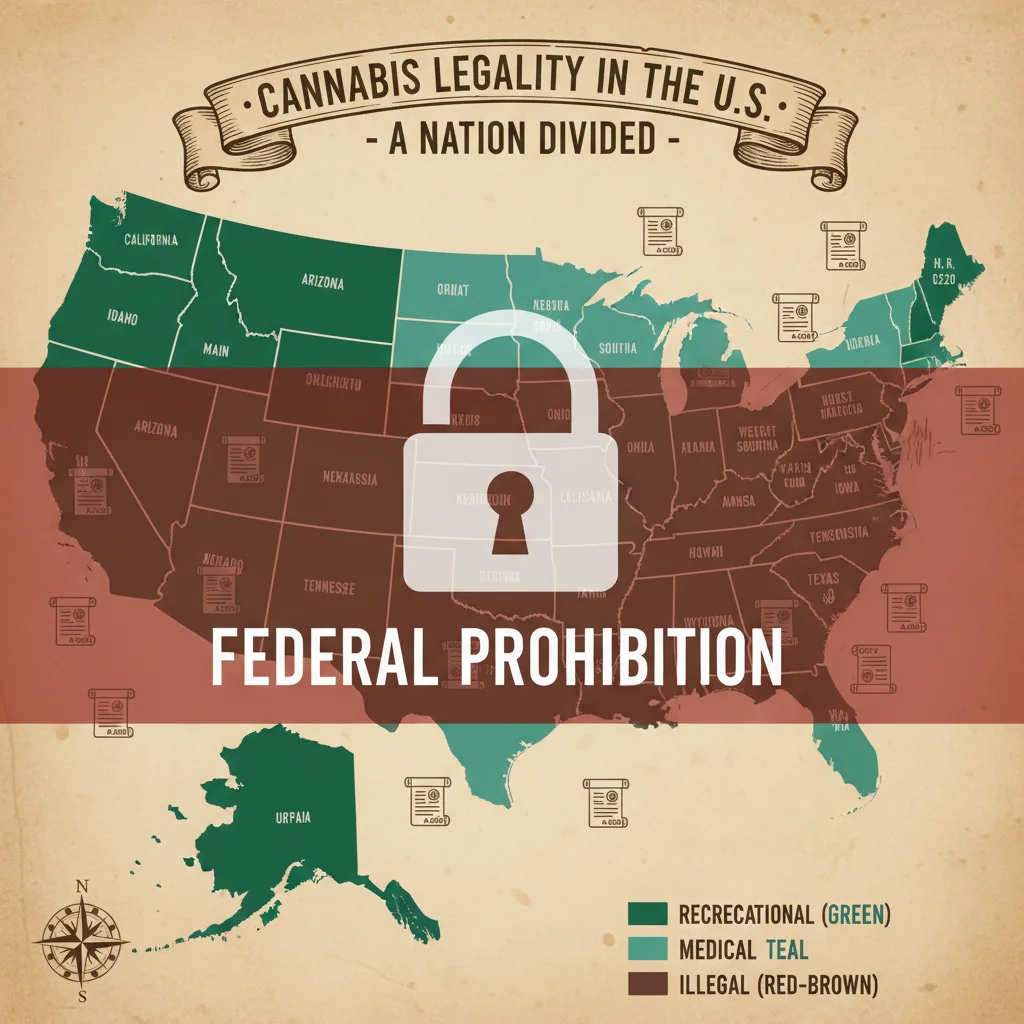
Anticipating Federal Reforms by 2026: Descheduling, Rescheduling, or Stasis?
The prospect of federal cannabis reform is perhaps the most significant wildcard for cannabis regulations 2026. While outright federal legalization remains a long shot in the immediate future, several pathways for reform are actively being debated and pursued.
Administrative Rescheduling
One of the most discussed avenues is administrative rescheduling by the Drug Enforcement Administration (DEA), following a recommendation from the Department of Health and Human Services (HHS). In late 2023, HHS recommended that cannabis be moved from Schedule I to Schedule III of the CSA. If the DEA acts on this recommendation, it would acknowledge cannabis’s medical utility and lower its abuse potential from a federal perspective. The implications would be substantial:
- 280E Relief: Businesses would likely be able to deduct ordinary business expenses, significantly improving profitability.
- Research Opportunities: Restrictions on cannabis research would be eased, potentially leading to a deeper understanding of its therapeutic benefits.
- Banking Access: While not a complete solution, rescheduling could make financial institutions more comfortable serving the cannabis industry.
- FDA Oversight: Cannabis products would fall under the purview of the Food and Drug Administration (FDA), leading to new regulations on manufacturing, labeling, and marketing, similar to pharmaceutical drugs.
However, rescheduling would not legalize recreational cannabis federally, nor would it resolve all federal-state conflicts. State-legal recreational markets would still be operating in a federally illicit gray area, albeit one with fewer financial penalties.
Legislative Action: SAFE Banking and MORE Act
Beyond administrative changes, legislative efforts continue in Congress. The SAFE Banking Act, which aims to provide a safe harbor for financial institutions serving state-legal cannabis businesses, has passed the House multiple times but stalled in the Senate. Its passage would be a significant boon for the industry, improving financial transparency and security. While not directly about cannabis regulations 2026 regarding the plant itself, it would dramatically impact the operational environment.
The MORE Act (Marijuana Opportunity Reinvestment and Expungement Act) represents a more ambitious legislative push, aiming to deschedule cannabis, expunge federal cannabis convictions, and invest in communities harmed by the War on Drugs. While it has passed the House, its prospects in the Senate are less certain, especially in a divided Congress. However, its reintroduction signal s ongoing efforts to achieve comprehensive federal reform.
The political landscape leading up to the 2024 elections and its aftermath will heavily influence the likelihood and timing of any federal reforms by 2026. Public opinion continues to shift overwhelmingly in favor of legalization, putting pressure on lawmakers to address the issue. The economic benefits of a federally regulated cannabis market, including significant tax revenues, are also powerful incentives.
Impact on the Cannabis Industry: Opportunities and Challenges
The evolving cannabis regulations 2026 will undoubtedly present both significant opportunities and formidable challenges for the cannabis industry. Businesses that can adapt quickly and strategically position themselves will be best equipped to thrive.
Opportunities:
- Increased Investment: Federal reform, particularly rescheduling or SAFE Banking, could unlock institutional investment, leading to greater capital availability for expansion, innovation, and market development.
- Interstate Commerce: While not an immediate outcome of rescheduling, federal descheduling could eventually pave the way for interstate commerce, allowing businesses to expand their reach beyond state borders and create national brands.
- Research and Development: Reduced restrictions on research could lead to the development of new cannabis-derived products, therapeutic applications, and cultivation techniques, driving innovation and market growth.
- Mainstream Acceptance: Federal reform would further normalize cannabis, reducing stigma and potentially leading to broader consumer adoption and market diversification.
Challenges:
- Increased Competition: Federal reform could attract larger, well-capitalized corporations from other industries (e.g., tobacco, alcohol, pharmaceuticals), intensifying competition for existing cannabis businesses.
- New Regulatory Burdens: While some federal burdens might ease, others could emerge. FDA oversight, for example, would introduce stringent manufacturing, testing, and labeling requirements that many current operators may not be equipped to meet.
- Standardization Challenges: Harmonizing existing state regulations with new federal guidelines will be a complex process, potentially leading to a period of confusion and adjustment for businesses.
- Intellectual Property: Federal legalization could bring greater clarity and protection for cannabis-related intellectual property, but navigating this new landscape will require specialized legal expertise.
For existing operators, proactive engagement with legal counsel and industry associations will be critical to staying ahead of the curve. New entrants will need to conduct thorough due diligence, understanding both the state-specific and potential federal requirements before committing resources. The landscape of cannabis regulations 2026 demands agility and foresight.
Key Areas to Monitor for 2026 Cannabis Regulations
As the cannabis industry marches towards 2026, several key areas warrant close attention:
1. Federal Administrative Actions
The DEA’s decision regarding the HHS recommendation to reschedule cannabis will be a monumental event. Monitoring announcements from the DEA and the White House will be crucial. The timeline for such a decision is uncertain, but it is expected to be a priority given the public and political pressure.
2. Congressional Legislative Efforts
Keep an eye on the progress of bills like the SAFE Banking Act and potential new iterations of comprehensive reform legislation. The outcomes of the 2024 elections will significantly impact the legislative appetite for cannabis reform in the subsequent years.
3. State-Level Legalization and Regulatory Evolution
Several states have ongoing efforts to legalize medical or adult-use cannabis. Success in these states will further expand the market and contribute to the diverse regulatory environment. Additionally, established state markets will continue to refine their rules, often in response to market dynamics, public health concerns, or social equity goals.
4. International Developments
While this article focuses on the U.S., global cannabis policies can influence domestic discussions. Countries like Germany and Canada are advancing their own legalization efforts, and international treaties regarding controlled substances may also see amendments or new interpretations that could impact U.S. policy.
5. Banking and Financial Services
Any movement on federal banking reform, whether through legislation or administrative guidance, will dramatically alter the financial landscape for cannabis businesses. This includes access to loans, credit card processing, and traditional banking services.
Staying informed about these developments will be essential for businesses and stakeholders to effectively navigate the complexities of cannabis regulations 2026.

Strategies for Navigating the 2026 Regulatory Environment
Given the anticipated changes, strategic preparation is paramount for businesses operating within the cannabis space. Here are some actionable strategies:
1. Prioritize Compliance
Regardless of federal reforms, state-level compliance will remain critical. Invest in robust compliance programs, including seed-to-sale tracking systems, stringent quality control measures, and regular audits. Staying compliant with current state laws will build a strong foundation for adapting to future federal or revised state mandates. Ensure your team is well-versed in the specific cannabis regulations 2026 relevant to your operational states.
2. Engage Legal and Regulatory Experts
The legal landscape is too complex to navigate without expert guidance. Partner with attorneys and consultants specializing in cannabis law and regulatory affairs. They can help interpret new legislation, advise on licensing, and ensure your business remains compliant with both current and emerging regulations.
3. Financial Planning and Risk Management
Prepare for potential changes in taxation and banking. If 280E relief materializes, understand how to adjust your accounting practices to maximize deductions. Explore options for more traditional banking relationships if the SAFE Banking Act passes or if rescheduling eases financial institution concerns. Develop contingency plans for various regulatory scenarios.
4. Advocate for Sensible Policies
Industry stakeholders have a powerful voice. Engage with industry associations, participate in lobbying efforts, and communicate with elected officials to advocate for sensible and equitable cannabis policies. Collective action can significantly influence the direction of future cannabis regulations 2026.
5. Invest in Technology and Infrastructure
Modern cannabis businesses require sophisticated technology for cultivation, processing, inventory management, and sales. Investing in scalable and adaptable infrastructure will enable your business to meet evolving regulatory requirements, such as enhanced tracking or testing protocols, and capitalize on new market opportunities.
6. Focus on Brand Building and Consumer Education
As the market matures and potentially becomes more competitive, strong branding and consumer trust will be vital. Focus on product quality, safety, and transparency. Educate consumers about your products and the responsible use of cannabis, which can also help shape public perception and influence future regulatory discussions.
7. Stay Informed and Agile
The most important strategy is to remain continuously informed about legislative and administrative developments. Subscribe to industry newsletters, follow reputable news sources, and attend conferences. Cultivate an agile business model that can quickly adapt to new rules and market conditions. The ability to pivot will be a key differentiator in the dynamic environment of cannabis regulations 2026.
Conclusion: A Future of Continued Evolution
The journey of cannabis from prohibition to widespread acceptance is far from over, and 2026 promises to be another transformative year. The intricate dance between federal and state regulations will continue to shape the industry, presenting both challenges and unprecedented opportunities. While the exact contours of cannabis regulations 2026 remain somewhat fluid, the direction of travel is clear: towards greater normalization, increased market maturity, and a more robust regulatory framework.
For businesses, consumers, and policymakers alike, understanding this complex landscape is not just beneficial but essential. By staying informed, advocating for sensible reforms, and adopting agile strategies, the cannabis community can collectively navigate the evolving regulatory environment and contribute to a responsible and thriving industry. The future of cannabis is one of continued evolution, and being prepared for the changes ahead will be the key to success.