Digital Twin Technology: Achieving Operational Excellence for 15% Efficiency Gains in US Industries by 2026

Digital Twin Technology: Achieving Operational Excellence for 15% Efficiency Gains in US Industries by 2026
The landscape of US industries is undergoing a profound transformation, driven by an insatiable demand for efficiency, resilience, and innovation. At the forefront of this revolution stands digital twin technology, a groundbreaking paradigm poised to redefine operational excellence. Experts project that by 2026, the strategic adoption of digital twins will empower US industries to realize an impressive 15% increase in operational efficiency. This isn’t merely an incremental improvement; it’s a monumental leap forward, promising to unlock unprecedented levels of productivity, reduce costs, and foster sustainable growth across various sectors.
In an increasingly competitive global market, the ability to optimize processes, predict failures, and innovate rapidly is no longer a luxury but a fundamental necessity. Digital twin operational excellence provides the framework for achieving these critical objectives. By creating virtual replicas of physical assets, processes, and systems, businesses gain unparalleled insights, enabling proactive decision-making and continuous improvement. This comprehensive guide delves into the essence of digital twin technology, its multifaceted applications across US industries, the compelling benefits it offers, and a strategic roadmap for its successful implementation.
The journey towards a smarter, more efficient industrial future starts with understanding and embracing the power of digital twins. This article will serve as your definitive resource, exploring how this innovative technology is not just a trend but a cornerstone for future industrial success in the United States.
Understanding Digital Twin Technology: The Core of Operational Excellence
At its heart, a digital twin is a virtual model designed to accurately reflect a physical object, process, or system. It’s not just a static 3D model; it’s a dynamic, living replica that receives real-time data from its physical counterpart through sensors, IoT devices, and other data sources. This continuous data flow allows the digital twin to simulate the physical object’s behavior, performance, and state in real-time, providing an invaluable tool for analysis, prediction, and optimization.
The Genesis and Evolution of Digital Twins
While the concept of mirroring physical objects digitally has roots in early simulation and modeling, the term "digital twin" was coined by Dr. Michael Grieves in 2002. However, it wasn’t until the advent of advanced IoT, cloud computing, big data analytics, and artificial intelligence that the technology truly began to proliferate. Initially applied in aerospace and manufacturing for product lifecycle management, digital twins have rapidly expanded their reach, becoming a cornerstone of Industry 4.0 and a key enabler for digital twin operational excellence across virtually every sector.
Key Components of a Digital Twin System
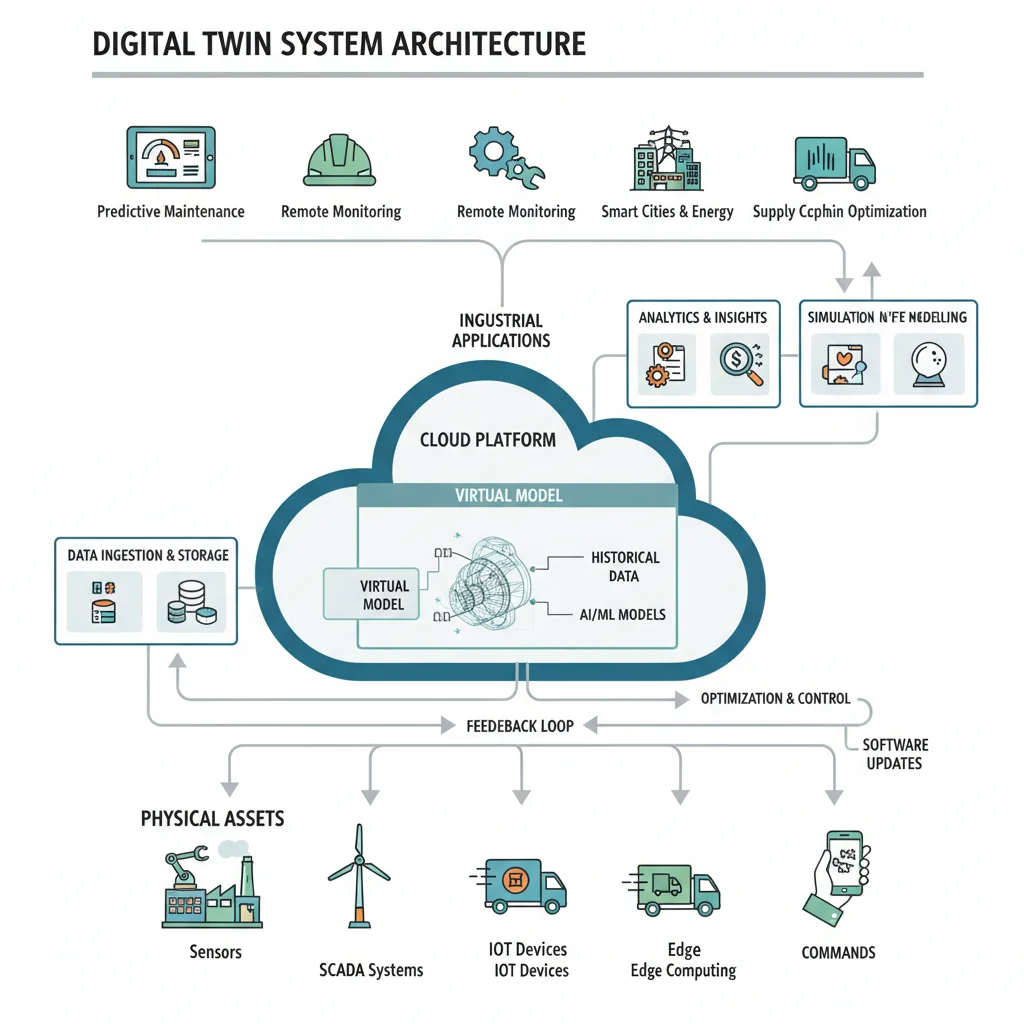
A robust digital twin system typically comprises several interconnected components:
- Physical Asset: The real-world object, process, or system being twinned. This could be a single machine, an entire factory, a complex supply chain, or even a city.
- Sensors and IoT Devices: These are the eyes and ears of the digital twin, collecting vast amounts of data from the physical asset, including temperature, pressure, vibration, operational status, and environmental conditions.
- Data Connectivity: Secure and reliable networks (5G, Wi-Fi, Ethernet) are essential for transmitting real-time data from the physical world to the digital realm.
- Digital Model: The virtual representation, often a highly detailed 3D model, that accurately mirrors the physical asset’s geometry, physics, and behavior.
- Data Integration and Processing: Platforms that aggregate, clean, and process the raw sensor data, transforming it into actionable insights.
- Analytics and AI/ML Algorithms: Advanced algorithms are applied to the processed data to identify patterns, predict future behavior, detect anomalies, and recommend optimal solutions.
- User Interface/Visualization: Dashboards, augmented reality (AR), and virtual reality (VR) interfaces allow human operators to interact with the digital twin, visualize data, and interpret insights.
- Feedback Loop: A critical component that enables insights from the digital twin to inform and influence actions in the physical world, creating a continuous cycle of improvement and control.
The synergy of these components allows businesses to move beyond reactive problem-solving to proactive optimization, making digital twin operational excellence a tangible reality.
The Strategic Imperative: Why Digital Twin Operational Excellence Matters for US Industries
The pursuit of digital twin operational excellence is not just about adopting new technology; it’s about fundamentally rethinking how industries operate. For US industries, the stakes are particularly high, given global competition, rising operational costs, and the need for sustainable practices. The projected 15% efficiency gains by 2026 underscore the transformative potential of this technology.
Driving Efficiency and Productivity
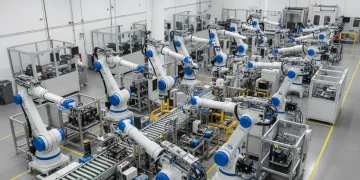
One of the most immediate and significant benefits of digital twin technology is its ability to boost efficiency. By providing a real-time, comprehensive view of operations, businesses can identify bottlenecks, optimize processes, and allocate resources more effectively. For instance, in manufacturing, digital twins can simulate production lines to find optimal configurations, reducing waste and increasing throughput. This direct impact on productivity translates into substantial cost savings and improved competitiveness.
Predictive Maintenance and Reduced Downtime
Traditional maintenance is often reactive or time-based, leading to unexpected breakdowns or unnecessary servicing. Digital twins enable highly accurate predictive maintenance. By continuously monitoring the health and performance of equipment, the digital twin can predict potential failures before they occur. This allows for scheduled maintenance at the most opportune time, significantly reducing unplanned downtime, extending asset lifespan, and cutting maintenance costs – a cornerstone of digital twin operational excellence.
Enhanced Product Design and Development
Digital twins aren’t limited to existing assets; they are also invaluable in the design and development phases. Engineers can create digital twins of products before they are physically built, simulating their performance under various conditions, testing different designs, and identifying potential flaws early on. This accelerates the design cycle, reduces the need for expensive physical prototypes, and ultimately leads to higher-quality, more reliable products.
Optimized Supply Chains and Logistics
Modern supply chains are incredibly complex and often vulnerable to disruptions. A digital twin of a supply chain can model the entire network, from raw material sourcing to delivery to the end customer. This allows businesses to simulate different scenarios, identify potential risks, optimize inventory levels, and streamline logistics. In the face of global uncertainties, a resilient and optimized supply chain powered by digital twin operational excellence is a significant competitive advantage.
Improved Safety and Risk Management
By simulating complex operational environments, digital twins can help identify potential safety hazards and risks before they manifest in the physical world. This is particularly crucial in high-risk industries like energy, mining, and heavy manufacturing. Training simulations using digital twins can also prepare workers for dangerous situations without exposing them to actual harm, enhancing overall safety protocols and reducing incidents.
Applications Across Key US Industries: Where Digital Twin Operational Excellence Shines
The versatility of digital twin technology means its applications span a wide array of US industries, each leveraging its unique capabilities to achieve digital twin operational excellence.
Manufacturing: The Forefront of Digital Twin Adoption
The manufacturing sector has been an early adopter and continues to be a fertile ground for digital twin technology. From individual machine twins to entire factory floor twins, the benefits are profound. Manufacturers use digital twins for:
- Production Line Optimization: Simulating different layouts and process flows to identify the most efficient configurations, reducing waste and increasing output.
- Quality Control: Monitoring product quality in real-time, detecting defects early, and tracing their root causes.
- Predictive Maintenance: As discussed, preventing costly breakdowns and extending equipment life.
- Customization and Mass Personalization: Enabling the rapid design and production of highly customized products by simulating variations efficiently.
Energy and Utilities: Enhancing Reliability and Sustainability
In the energy sector, digital twins are crucial for managing complex infrastructure and promoting sustainability:
- Power Plant Optimization: Monitoring and optimizing the performance of turbines, generators, and other critical assets to maximize energy output and minimize fuel consumption.
- Grid Management: Creating digital twins of entire power grids to predict demand, manage supply, and quickly respond to outages, ensuring reliable energy delivery.
- Renewable Energy: Optimizing the placement and operation of wind turbines and solar farms based on real-time environmental data and predictive models.
Aerospace and Defense: Precision and Performance
The demand for ultra-high reliability and performance makes digital twins indispensable in aerospace and defense:
- Aircraft Design and Testing: Simulating aircraft performance in various conditions, identifying design flaws, and optimizing aerodynamics.
- Fleet Management: Monitoring the health of individual aircraft, predicting maintenance needs, and optimizing flight schedules to maximize operational readiness.
- Mission Planning and Simulation: Creating virtual environments for training and mission rehearsal, improving preparedness and reducing risks.
Healthcare: Revolutionizing Patient Care and Hospital Operations
While still emerging, digital twin operational excellence in healthcare holds immense promise:
- Hospital Management: Optimizing patient flow, resource allocation, and equipment utilization within hospitals to improve efficiency and reduce wait times.
- Personalized Medicine: Creating "digital twins" of individual patients to model disease progression, test treatment efficacy, and personalize care plans.
- Medical Device Monitoring: Tracking the performance and health of medical devices in real-time to ensure optimal function and predictive maintenance.
Smart Cities and Infrastructure: Building Resilient Urban Environments
Digital twins are foundational for developing smart, sustainable urban environments:
- Urban Planning: Simulating the impact of new infrastructure projects, traffic patterns, and environmental changes before physical construction.
- Traffic Management: Optimizing traffic flow, public transportation, and emergency response routes in real-time.
- Building Management: Monitoring and optimizing energy consumption, HVAC systems, and security within large commercial and residential buildings.
The Roadmap to Digital Twin Operational Excellence: Implementation Strategies
Adopting digital twin technology requires a strategic, phased approach. Organizations must consider several key factors to ensure successful implementation and realize the full benefits of digital twin operational excellence.
1. Define Clear Objectives and Scope
Before embarking on any digital twin initiative, it’s crucial to clearly define what you aim to achieve. Are you looking to reduce downtime, optimize a specific production line, or enhance product design? Starting with a smaller, well-defined pilot project can provide valuable lessons and demonstrate ROI before scaling up. This clarity will guide technology selection and resource allocation.
2. Invest in Robust Data Infrastructure
Digital twins are only as good as the data they receive. Therefore, investing in a robust IoT infrastructure, secure data connectivity, and effective data management platforms is paramount. This includes implementing sensors on physical assets, establishing reliable data transmission channels, and ensuring data quality and integrity. Cloud computing often plays a vital role in storing and processing the vast amounts of data generated.
3. Choose the Right Technology Stack
The digital twin ecosystem is diverse, involving various technologies from IoT platforms and simulation software to AI/ML tools and visualization interfaces. Organizations need to carefully select a technology stack that aligns with their specific needs, existing infrastructure, and long-term goals. Partnerships with experienced technology providers can be invaluable in navigating this complex landscape.
4. Foster a Culture of Digital Transformation
Technology adoption is as much about people as it is about tools. Successful implementation of digital twin operational excellence requires a cultural shift within the organization. This involves:
- Leadership Buy-in: Strong support from senior management is essential to drive the initiative.
- Employee Training: Equipping employees with the necessary skills to work with digital twin tools and interpret the insights they provide.
- Cross-functional Collaboration: Breaking down silos between IT, operations, engineering, and other departments to ensure seamless data flow and shared understanding.
5. Start Small, Scale Smart
Instead of attempting a massive, organization-wide deployment from the outset, a phased approach is often more effective. Begin with a proof-of-concept or a pilot project on a critical but manageable asset or process. Learn from the initial implementation, refine your approach, and then gradually scale the digital twin strategy across other areas of the business. This iterative process minimizes risk and maximizes the chances of success.
6. Focus on Cybersecurity
As digital twins rely heavily on interconnected systems and sensitive operational data, cybersecurity must be a top priority. Implementing robust security measures to protect against data breaches, unauthorized access, and cyber-attacks is crucial to maintaining the integrity and reliability of the digital twin system.

Challenges and Considerations for Widespread Adoption
While the promise of digital twin operational excellence is immense, several challenges need to be addressed for widespread adoption across US industries.
Data Volume and Complexity
Digital twins generate and consume vast amounts of data, often from disparate sources. Managing this data deluge, ensuring its quality, and deriving meaningful insights requires sophisticated data governance strategies and advanced analytics capabilities. The sheer volume can be overwhelming without proper infrastructure and expertise.
Interoperability and Standardization
Different vendors offer varying digital twin solutions, which can lead to interoperability challenges. A lack of standardized protocols for data exchange and model integration can hinder the creation of holistic digital twins, especially when dealing with complex systems involving multiple suppliers and technologies. Efforts towards industry-wide standards are crucial for seamless integration.
High Initial Investment
Implementing a comprehensive digital twin system can involve significant upfront costs, including sensors, software licenses, data infrastructure, and specialized personnel. While the long-term ROI is compelling, the initial investment can be a barrier for smaller businesses or those with limited capital. Demonstrating clear, quantifiable returns from pilot projects can help justify the investment.
Talent Gap and Skill Shortage
The successful deployment and management of digital twins require a specialized skill set, including expertise in IoT, data science, AI/ML, simulation modeling, and cybersecurity. There is currently a talent gap in these areas, making it challenging for organizations to find and retain the necessary expertise. Investing in training programs and collaborating with academic institutions can help address this shortage.
Security and Privacy Concerns
The extensive data collection associated with digital twins raises significant security and privacy concerns. Protecting sensitive operational data, intellectual property, and potentially personal information is paramount. Robust cybersecurity frameworks and adherence to data privacy regulations are non-negotiable for building trust and ensuring ethical use of the technology.
The Future Outlook: Sustaining Digital Twin Operational Excellence Beyond 2026
The projected 15% efficiency gains by 2026 are just the beginning. As digital twin technology matures and becomes more integrated into industrial ecosystems, its impact will only grow. The future holds even greater potential for digital twin operational excellence.
Hyper-realistic Simulations and Autonomous Operations
Advancements in computing power, AI, and sensor technology will lead to even more accurate and hyper-realistic digital twins. These sophisticated models will enable increasingly autonomous operations, where digital twins can not only predict but also proactively control and optimize physical systems with minimal human intervention. This vision of "lights-out" factories and self-optimizing infrastructure is within reach.
Integration with Augmented and Virtual Reality
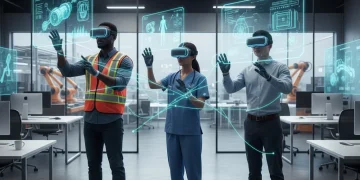
The synergy between digital twins and AR/VR technologies will deepen. Maintenance technicians will use AR glasses to overlay digital twin data onto physical equipment, providing real-time diagnostic information and repair instructions. Engineers will collaborate in VR environments to design and test products within their digital twin counterparts, fostering unprecedented levels of collaboration and innovation.
Ecosystems of Interconnected Digital Twins
Individual digital twins will evolve into interconnected ecosystems, forming "digital twin of twins." Imagine a digital twin of a factory seamlessly integrated with the digital twin of its supply chain, which in turn connects to the digital twin of its distribution network. This holistic view will enable end-to-end optimization across entire value chains, leading to unprecedented levels of efficiency and resilience.
Sustainable Operations and Circular Economy
Digital twins will play a crucial role in driving sustainability initiatives. By precisely monitoring resource consumption, waste generation, and emissions, they will help industries identify areas for improvement and implement more environmentally friendly practices. They can also facilitate the transition to a circular economy by tracking product lifecycles, enabling better recycling, refurbishment, and reuse strategies.
Conclusion: Embracing the Digital Twin Revolution for a Competitive Edge
The journey towards digital twin operational excellence is not merely an option but a strategic imperative for US industries aiming to thrive in the 21st century. The projected 15% efficiency gains by 2026 are a testament to the transformative power of this technology, promising a future of optimized processes, reduced costs, enhanced innovation, and unparalleled resilience.
From manufacturing to healthcare, energy to smart cities, digital twins are reshaping how businesses operate, offering real-time insights and predictive capabilities that were once the stuff of science fiction. While challenges in data management, interoperability, and talent acquisition exist, proactive strategic planning and investment can overcome these hurdles.
By embracing digital twin technology, US industries can not only achieve significant operational improvements but also solidify their position as global leaders in innovation and efficiency. The time to invest in digital twin operational excellence is now, paving the way for a more productive, sustainable, and competitive industrial future.
The digital twin revolution is here, and those who harness its power will be the architects of tomorrow’s industrial landscape.