REITs 2026: Sector-Specific US Investment Strategies
REITs US 2026: A Sector-Specific Strategy Guide for Maximizing Returns in US Markets
As we navigate the dynamic landscape of global finance, the year 2026 looms as a pivotal period for real estate investment. Real Estate Investment Trusts (REITs) continue to offer a compelling avenue for investors seeking exposure to the real estate market without the complexities of direct property ownership. For those looking to optimize their portfolios, understanding the nuances of REITs US 2026 is not merely advantageous; it is essential. This comprehensive guide delves deep into the sector-specific strategies that will define success in the upcoming years, with a particular focus on the robust and ever-evolving United States market.
The US market, characterized by its diverse economic engines and demographic shifts, presents a unique set of opportunities and challenges for REIT investors. From the burgeoning demand for industrial spaces driven by e-commerce to the evolving residential needs and the critical role of data centers, each sector within the REIT universe tells a different story. Our aim is to equip you with the knowledge to discern these narratives, identify high-potential sectors, and formulate an investment strategy that aligns with the future trajectory of the US real estate market.
Understanding the Macroeconomic Landscape for REITs US 2026
Before diving into specific sectors, it’s crucial to establish a foundational understanding of the macroeconomic environment anticipated for 2026. Interest rates, inflation, economic growth, and employment figures all play significant roles in shaping the performance of REITs. As central banks continue to grapple with inflationary pressures and calibrate monetary policy, the cost of capital—a critical factor for real estate—will remain a key determinant. A stable or declining interest rate environment could provide a tailwind for REITs by lowering borrowing costs and increasing property valuations. Conversely, persistent high rates could exert downward pressure.
Economic growth, often measured by GDP, directly impacts demand for various property types. A robust economy typically translates to higher occupancy rates, increased rental income, and greater tenant stability across commercial, industrial, and residential sectors. Employment growth, in turn, fuels consumer spending and housing demand, reinforcing the positive feedback loop for real estate. Investors keen on REITs US 2026 must monitor these indicators closely, as they form the bedrock upon which sector-specific strategies are built.
Demographic shifts also warrant significant attention. The ongoing migration patterns within the US, the aging population, and the evolving preferences of younger generations for urban versus suburban living all influence demand for different property types. For instance, the demand for senior living facilities or specialized healthcare properties might surge, while certain retail or office spaces could face headwinds due to changing work and consumption habits. Analyzing these broader trends provides the necessary context to make informed decisions about where to allocate capital within the REITs landscape.
Key Sectors Poised for Growth in US REITs 2026
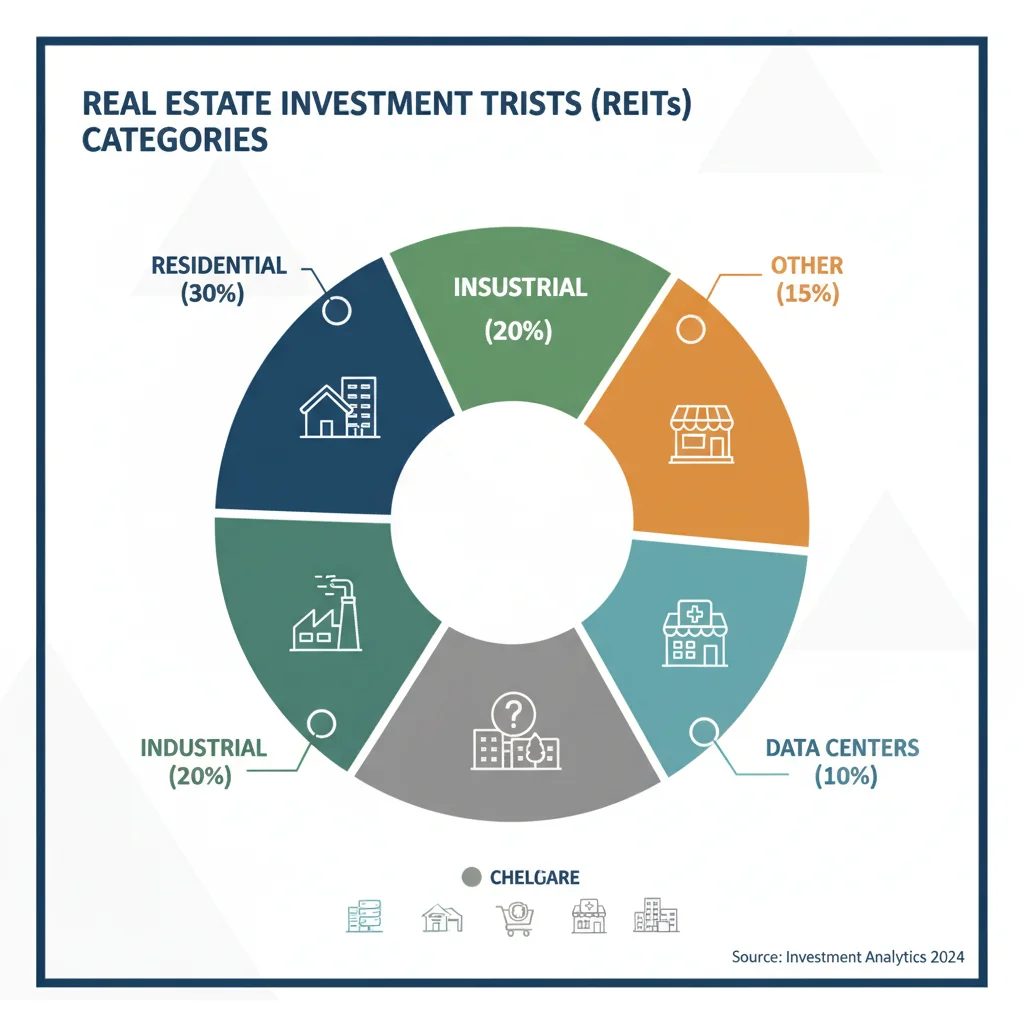
The beauty of REITs lies in their diversity, allowing investors to target specific real estate segments. For REITs US 2026, several sectors are showing promising signs of sustained growth and resilience:
Industrial REITs: The E-commerce Backbone
The relentless expansion of e-commerce continues to be a primary driver for industrial REITs. Warehouses, distribution centers, and logistics facilities are in high demand as companies strive to optimize their supply chains and meet ever-increasing consumer expectations for rapid delivery. This sector has demonstrated remarkable resilience, even during economic downturns, underscored by its fundamental role in modern commerce. In 2026, expect continued strong performance from industrial REITs, especially those strategically located near major transportation hubs and population centers. The rise of automation and robotics within these facilities also presents opportunities for REITs that invest in technologically advanced properties.
Data Center REITs: Powering the Digital Age
The digital transformation shows no signs of slowing down, making data center REITs an increasingly critical component of a diversified portfolio. As cloud computing, artificial intelligence, and big data analytics become more pervasive, the demand for secure, high-capacity data storage and processing facilities will only intensify. Data center REITs benefit from long-term leases with high-credit tenants, often with built-in rent escalators, providing stable and predictable income streams. The energy demands and technological infrastructure required for these properties create significant barriers to entry, further solidifying the competitive advantage of established players. Investing in REITs US 2026 within this sector means tapping into the core infrastructure of the digital economy.
Residential REITs: Adapting to Evolving Lifestyles
Residential REITs, encompassing apartments, single-family rentals, and manufactured housing, are influenced by demographic trends, affordability, and population growth. While interest rate hikes can impact homeownership rates and thus boost rental demand, broader economic stability remains crucial. In 2026, look for residential REITs in markets experiencing strong job growth and favorable migration patterns. The single-family rental (SFR) segment, in particular, has seen significant institutional investment and is expected to continue its growth trajectory as more individuals opt for rental living. Additionally, specialized residential REITs focusing on student housing or senior living may offer unique opportunities driven by specific demographic needs.
Healthcare REITs: Addressing an Aging Population
With an aging population in the US, healthcare REITs are positioned for steady, long-term demand. These REITs own and manage properties such as hospitals, medical office buildings, skilled nursing facilities, and senior housing. The essential nature of healthcare services provides a defensive characteristic to these investments, often making them less susceptible to economic fluctuations. While regulatory changes and healthcare policy can introduce some volatility, the underlying demographic tailwinds suggest sustained growth for this sector in the coming years. Investors considering REITs US 2026 should evaluate the quality of tenants and the long-term viability of their healthcare delivery models.
Sectors Facing Headwinds and Requiring Caution
While opportunities abound, it’s equally important for investors in REITs US 2026 to be aware of sectors that may face challenges:
Office REITs: The Evolving Work Paradigm
The long-term impact of remote and hybrid work models continues to cast a shadow over the office sector. While some companies are mandating a return to office, many have embraced flexible arrangements, leading to lower occupancy rates and increased vacancy in certain markets. The demand for premium, amenity-rich office spaces in prime locations may remain strong, but older, less desirable properties could struggle. Investors should approach office REITs with caution, focusing on those with diversified portfolios, strong tenant rosters, and properties in resilient urban centers that are adapting to new work patterns. Repurposing older office buildings into residential or mixed-use developments could emerge as a niche opportunity, but this requires significant capital and regulatory navigation.
Retail REITs: Navigating the E-commerce Shift
Retail REITs have been undergoing a significant transformation for years, accelerated by the rise of e-commerce. While brick-and-mortar retail is far from dead, the landscape has shifted dramatically. Power centers and enclosed malls, particularly those with less desirable tenant mixes or locations, continue to struggle. However, experience-based retail, necessity-based retail (e.g., grocery-anchored centers), and properties that integrate entertainment and dining often perform better. The key for REITs US 2026 in the retail sector will be adaptability, strategic redevelopment, and a focus on creating vibrant community hubs rather than just shopping destinations. Identifying retail REITs with strong balance sheets and innovative management teams capable of transforming their assets will be crucial.
Emerging Trends and Niche Opportunities for REITs US 2026
Beyond the established sectors, several emerging trends and niche property types could offer compelling opportunities for savvy REITs US 2026 investors:
Cold Storage Facilities
The increasing demand for fresh and frozen foods, coupled with the growth of online grocery delivery, is driving significant investment in cold storage logistics. These specialized facilities require substantial capital expenditure and expertise, creating a high barrier to entry and potentially attractive returns for REITs operating in this space.
Life Sciences Real Estate
The booming biotechnology and pharmaceutical industries are fueling demand for specialized laboratory and research facilities. These properties often require specific infrastructure and are located near major research institutions, offering stable, long-term leases with high-credit tenants. This sector is less sensitive to economic cycles due to the ongoing need for medical innovation.
Self-Storage REITs
While perhaps not “emerging,” self-storage REITs have consistently demonstrated resilience due to their low operating costs and ability to adapt to economic shifts (people moving, downsizing, or inheriting belongings). They benefit from demographic changes and lifestyle trends, providing a stable income stream. For REITs US 2026, this sector offers a defensive play with consistent demand.
Infrastructure REITs (e.g., Cell Towers, Fiber Networks)
While not traditional real estate, some REITs focus on digital infrastructure like cell towers and fiber optic networks. The ongoing need for connectivity and the rollout of 5G technology ensure strong demand for these assets. These REITs often benefit from long-term contracts and high recurring revenues, making them attractive for growth-oriented investors.
Strategic Considerations for Investing in REITs US 2026
Crafting a successful investment strategy for REITs US 2026 requires more than just identifying promising sectors. Several strategic considerations should guide your decisions:
Geographic Diversification
The US real estate market is highly localized. Performance can vary significantly from one city or region to another. Diversifying your REIT holdings across different geographic markets can mitigate risks associated with regional economic downturns, natural disasters, or local policy changes. For instance, a REIT with properties in Sun Belt states might perform differently than one concentrated in the Northeast.
Balance Sheet Strength and Debt Levels
In an environment where interest rates can be volatile, the balance sheet health of a REIT is paramount. Look for REITs with manageable debt levels, strong credit ratings, and ample liquidity. High debt-to-equity ratios can make a REIT vulnerable to rising interest rates, potentially impacting its ability to fund new acquisitions or pay dividends. A strong balance sheet provides flexibility and resilience.
Management Quality and Experience
The quality of a REIT’s management team cannot be overstated. Experienced management with a proven track record of navigating market cycles, executing successful development projects, and maintaining strong tenant relationships adds significant value. Evaluate their strategic vision, capital allocation decisions, and commitment to shareholder returns. For REITs US 2026, adaptive and forward-thinking leadership will be key.
Dividend Sustainability and Growth
A primary appeal of REITs is their dividend yield, as they are legally required to distribute at least 90% of their taxable income to shareholders annually. However, it’s crucial to assess the sustainability of these dividends. Look beyond just the yield and examine the REIT’s funds from operations (FFO) or adjusted funds from operations (AFFO) payout ratios. A low payout ratio suggests more room for dividend growth and reinvestment into the business. For REITs US 2026, consistent dividend growth signals a healthy and expanding operation.
ESG Factors (Environmental, Social, and Governance)
Environmental, Social, and Governance (ESG) considerations are increasingly influencing investment decisions. REITs that integrate sustainable practices into their operations, such as energy-efficient buildings, green certifications, and strong corporate governance, may attract more capital and potentially command higher valuations. ESG performance can also impact operational costs and regulatory compliance, making it a material factor for long-term investment success. Investors looking at REITs US 2026 should consider how well companies are addressing these critical aspects.

Risk Mitigation in REITs US 2026
No investment comes without risk, and REITs are no exception. Proactive risk mitigation is crucial for investors in REITs US 2026:
Interest Rate Sensitivity
REITs are often sensitive to interest rate movements. Rising rates can increase borrowing costs, reduce property values, and make competing fixed-income investments more attractive. Diversifying across different REIT sectors and maintaining a balanced portfolio can help cushion the impact of interest rate fluctuations.
Economic Downturns
While some REIT sectors (like healthcare and data centers) are more defensive, a severe economic recession can impact rental income, occupancy rates, and property valuations across the board. Diversifying into sectors with low correlation to economic cycles can provide stability.
Tenant Concentration Risk
REITs that rely heavily on a small number of tenants or a single large tenant face concentration risk. The financial distress or departure of a key tenant can significantly impact the REIT’s cash flow. Analyzing tenant diversification and lease expiry schedules is vital.
Geopolitical and Regulatory Risks
Changes in government policies, zoning laws, environmental regulations, or unexpected geopolitical events can affect real estate markets. Staying informed about potential regulatory shifts and their implications for specific property types is important for REITs US 2026 investors.
How to Integrate REITs into Your Portfolio for 2026
For investors considering REITs US 2026, there are several approaches to integration:
Direct Investment in Individual REITs
This approach allows for precise targeting of specific sectors and companies that align with your investment thesis. It requires thorough research and due diligence but offers the potential for higher conviction returns. This method is suitable for investors with a deep understanding of the real estate market and a willingness to actively manage their portfolio.
REIT ETFs and Mutual Funds
For broader diversification and ease of access, REIT exchange-traded funds (ETFs) and mutual funds offer exposure to a basket of REITs across various sectors. This is an excellent option for investors who prefer a more passive approach or wish to gain instant diversification without the need to research individual companies. These funds often track specific REIT indices or focus on particular sub-sectors, allowing for some level of targeted exposure.
Combining Approaches
A hybrid approach might involve a core holding in a diversified REIT ETF for broad market exposure, complemented by strategic investments in a few individual REITs that represent high-conviction plays in growth sectors like data centers or industrial logistics. This strategy balances diversification with the potential for alpha generation from targeted investments.
The Role of Technology and Innovation in REITs US 2026
Technology continues to reshape the real estate industry, and REITs US 2026 are no exception. “PropTech” – property technology – is influencing everything from property management and tenant experience to energy efficiency and construction. REITs that embrace technological innovation are likely to gain a competitive edge.
Smart Buildings and IoT
The integration of IoT (Internet of Things) devices and smart building technologies can optimize energy consumption, enhance security, and improve tenant comfort and productivity. REITs investing in these technologies can reduce operational costs and attract premium tenants, thereby increasing property value and rental income.
Data Analytics and AI
Leveraging big data analytics and artificial intelligence can provide REIT managers with deeper insights into market trends, tenant behavior, and operational efficiencies. This allows for more informed decision-making regarding acquisitions, dispositions, and property management strategies, ultimately enhancing profitability for REITs US 2026.
Blockchain and Tokenization
While still in nascent stages for mainstream real estate, blockchain technology and property tokenization could revolutionize how real estate is bought, sold, and managed. These technologies promise increased transparency, liquidity, and reduced transaction costs. Forward-thinking REITs may explore these innovations to streamline operations and attract a new class of investors.
Conclusion: Navigating the Future of US REITs
The landscape for REITs US 2026 is dynamic and filled with both promising opportunities and discernible challenges. By adopting a sector-specific strategy, informed by a deep understanding of macroeconomic trends, demographic shifts, and technological advancements, investors can position themselves for success. Industrial, data center, residential, and healthcare REITs appear to be particularly well-positioned for growth, while office and certain retail segments require careful scrutiny and selective investment. Emerging niches like cold storage and life sciences also offer compelling prospects for those willing to explore beyond traditional boundaries.
Remember that successful investing in REITs, as with any asset class, hinges on diligent research, diversification, and a long-term perspective. Evaluate each REIT’s balance sheet, management quality, dividend sustainability, and commitment to ESG principles. By staying agile and responsive to market changes, investors can effectively harness the power of US Real Estate Investment Trusts to enhance their portfolios in 2026 and beyond. The future of real estate is evolving, and with the right strategy, you can be at the forefront of this exciting investment frontier.