EPA 2026 Emissions: Slash Your Operations by 20%
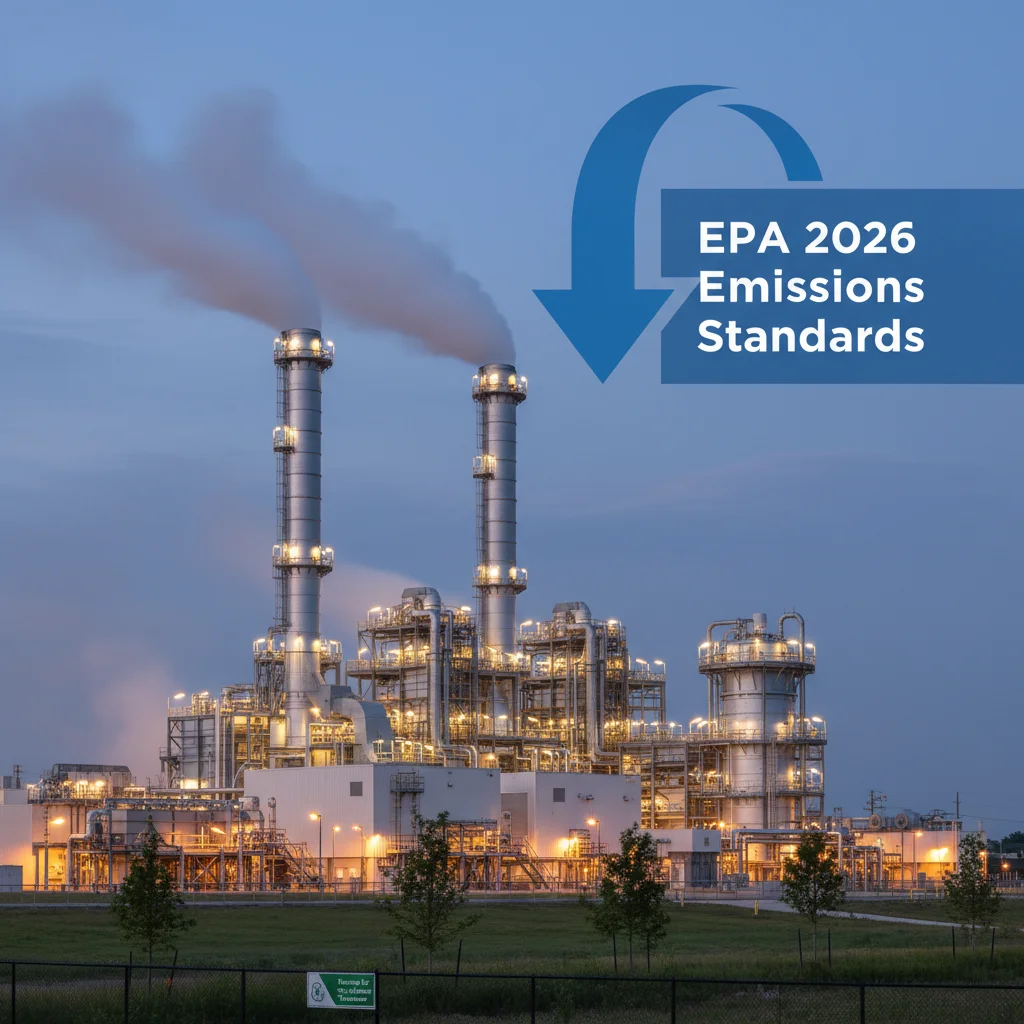
The United States Environmental Protection Agency (EPA) continues to tighten its grip on industrial emissions, aiming for a cleaner, healthier environment. With the looming deadline of the new EPA 2026 emissions standards, businesses across various sectors are facing immense pressure to adapt and significantly reduce their environmental footprint. This isn’t just about compliance; it’s about future-proofing your operations, enhancing your brand reputation, and contributing to a sustainable planet. This comprehensive guide will delve deep into the specifics of these new regulations and, more importantly, provide actionable strategies to help your organization achieve an ambitious 20% reduction in its operational emissions.
Understanding the nuances of the new EPA 2026 emissions standards is the first critical step. These regulations are designed to target a broad spectrum of pollutants, from greenhouse gases (GHGs) like carbon dioxide and methane to particulate matter and volatile organic compounds (VOCs). The 20% reduction target, while challenging, is attainable with a well-planned and executed strategy that integrates technological upgrades, process optimization, and a cultural shift towards sustainability within your organization. Let’s embark on this journey to empower your business to not only meet but exceed these new environmental benchmarks.
Decoding the New EPA 2026 Emissions Standards
The EPA 2026 emissions standards represent a significant evolution in environmental regulation. Unlike previous iterations, these new standards emphasize a more holistic approach to emissions control, moving beyond end-of-pipe solutions to encourage upstream prevention and efficiency. Key areas of focus include:
- Greenhouse Gas Reductions: A strong emphasis on reducing CO2, methane, and nitrous oxide emissions, particularly from energy-intensive industries and transportation.
- Particulate Matter (PM) Control: Stricter limits on fine particulate matter (PM2.5) which poses significant health risks.
- Volatile Organic Compounds (VOCs): Enhanced controls on VOCs, often precursors to ground-level ozone, especially from manufacturing and chemical processes.
- Sector-Specific Regulations: Tailored requirements for different industries, recognizing their unique operational characteristics and emission profiles.
- Monitoring and Reporting: More stringent monitoring, record-keeping, and reporting obligations to ensure transparency and accountability.
The rationale behind these stricter regulations is clear: mitigating climate change, improving public health, and fostering a more sustainable economy. Businesses that proactively embrace these changes will not only avoid potential penalties but also unlock new opportunities for innovation, cost savings, and market leadership. The 20% reduction target is not a one-size-for-all mandate but a general guideline for the level of transformation expected across industries. Your specific target might vary based on your industry and current emission levels, but the overarching goal remains the same: a substantial and measurable decrease in environmental impact.
Assessing Your Current Emissions Footprint: The Foundation of Reduction
Before you can effectively reduce your operational emissions, you must first understand where they are coming from. A comprehensive emissions audit is the cornerstone of any successful reduction strategy. This involves:
- Baseline Data Collection: Gather historical data on energy consumption, fuel usage, raw material inputs, and waste generation. This data will establish your current emissions baseline.
- Scope 1, 2, and 3 Emissions: Categorize your emissions according to the Greenhouse Gas Protocol:
- Scope 1: Direct emissions from sources owned or controlled by your company (e.g., company vehicles, on-site combustion).
- Scope 2: Indirect emissions from the generation of purchased electricity, heat, or steam consumed by your company.
- Scope 3: All other indirect emissions that occur in a company’s value chain, both upstream and downstream (e.g., supply chain, employee commuting, product use). While often the most challenging to quantify, addressing Scope 3 emissions can yield significant reductions in your overall footprint.
- Identification of Major Emission Sources: Pinpoint the processes, equipment, and activities that contribute most significantly to your overall emissions. This could include combustion processes, industrial processes (e.g., cement production, chemical manufacturing), fugitive emissions, and waste management.
- Leak Detection and Repair (LDAR): Implement robust LDAR programs to identify and fix leaks of methane and VOCs from pipelines, valves, and other equipment, which can be a significant source of EPA 2026 emissions reduction opportunities.
- Professional Consultation: Consider engaging environmental consultants who specialize in emissions auditing and compliance. Their expertise can provide invaluable insights and ensure the accuracy of your assessment.
Accurate and thorough data collection is paramount. Without a clear understanding of your current state, it’s impossible to set realistic targets or measure the effectiveness of your reduction efforts. Investing in advanced monitoring technologies can provide real-time data, allowing for more dynamic and responsive emissions management.
Strategic Pathways to a 20% Emissions Reduction
Achieving a 20% reduction in your operational emissions requires a multi-faceted approach. Here are key strategies, categorized for clarity, to help you meet the new EPA 2026 emissions standards:
1. Energy Efficiency and Conservation
Energy consumption is often the largest contributor to Scope 1 and Scope 2 emissions. Optimizing energy use is a highly effective strategy for EPA 2026 emissions reduction.
- Industrial Process Optimization: Review and optimize energy-intensive processes. This could involve upgrading to more efficient equipment (e.g., motors, pumps, boilers), implementing waste heat recovery systems, or optimizing process controls.
- Building Energy Management: Improve insulation, upgrade to LED lighting, install smart thermostats and energy management systems in facilities. Conduct regular energy audits to identify areas for improvement.
- Preventive Maintenance: Ensure all machinery and equipment are regularly maintained to operate at peak efficiency, preventing energy waste and unnecessary emissions.
- Behavioral Changes: Implement employee awareness programs to encourage energy-saving behaviors, such as turning off lights and equipment when not in use.
2. Transition to Renewable Energy Sources
Shifting away from fossil fuels is perhaps the most impactful way to reduce Scope 2 emissions.
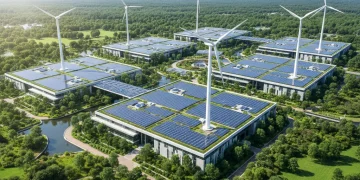
- On-site Renewable Generation: Invest in solar panels, wind turbines, or other renewable energy sources directly on your premises. This not only reduces emissions but can also provide energy independence and long-term cost savings.
- Renewable Energy Procurement: Purchase renewable energy credits (RECs) or enter into power purchase agreements (PPAs) with renewable energy providers. This allows your business to support renewable energy development even without on-site generation.
- Green Tariffs: Explore options with your utility provider for green tariffs, which allow you to pay a premium for electricity generated from renewable sources.
3. Process and Technology Upgrades
Modernizing your operations with cleaner technologies can significantly reduce Scope 1 emissions.
- Low-Carbon Fuels: Explore switching to lower-carbon fuels where feasible, such as natural gas (as a transition fuel), biofuels, or hydrogen.
- Carbon Capture, Utilization, and Storage (CCUS): For industries with unavoidable process emissions, investigate CCUS technologies to capture CO2 before it enters the atmosphere.
- Advanced Emission Control Technologies: Install or upgrade scrubbers, catalytic converters, and other pollution control devices to capture particulate matter, VOCs, and other regulated pollutants.
- Material Substitution: Replace high-emission raw materials with lower-emission alternatives where possible.

4. Supply Chain Engagement and Scope 3 Reductions
Addressing Scope 3 emissions is crucial for a comprehensive EPA 2026 emissions reduction strategy. This requires collaboration with your entire value chain.
- Supplier Engagement: Work with your suppliers to encourage their own emissions reduction efforts. This could involve setting sustainability requirements for suppliers, offering incentives for greener practices, or collaborating on joint projects.
- Logistics Optimization: Optimize transportation routes, shift to more fuel-efficient modes of transport (e.g., rail instead of road), and consolidate shipments to reduce fuel consumption and associated emissions.
- Product Design for Sustainability: Design products with their entire lifecycle in mind – from raw material sourcing to end-of-life disposal – to minimize environmental impact. This includes using recycled content, making products more durable, and designing for recyclability.
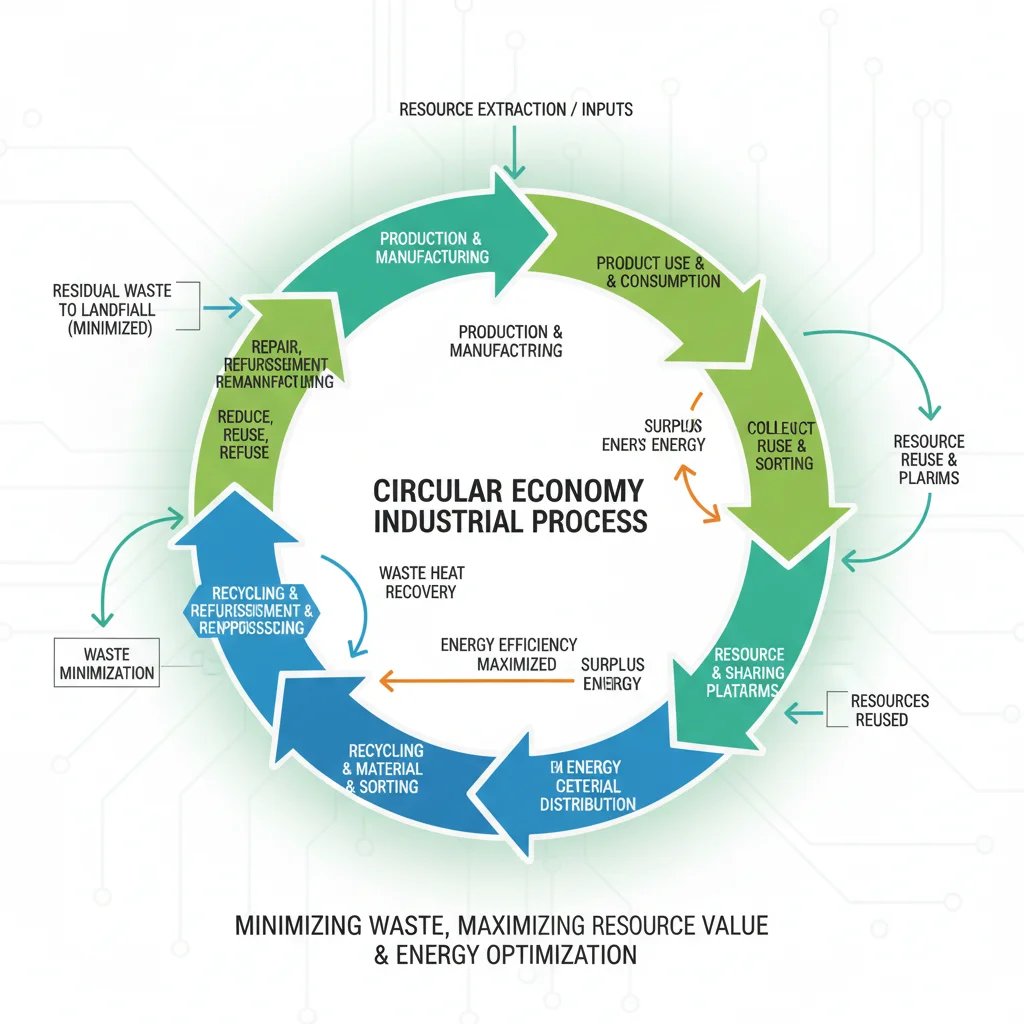
- Waste Reduction and Circular Economy: Implement robust waste reduction programs, promote recycling and reuse, and explore circular economy principles where materials are kept in use for as long as possible.
5. Robust Monitoring, Reporting, and Verification (MRV)
To demonstrate compliance and track progress towards your 20% reduction goal, a strong MRV system is essential.
- Continuous Monitoring: Implement continuous emissions monitoring systems (CEMS) where required, or use advanced sensors and data analytics to track key emission sources in real-time.
- Regular Audits: Conduct internal and external audits of your emissions data and reduction initiatives to ensure accuracy and identify areas for improvement.
- Transparent Reporting: Prepare clear and concise reports on your emissions performance, communicating your progress to stakeholders, regulators, and the public.
- Third-Party Verification: Consider having your emissions data and reduction claims verified by an independent third party to enhance credibility.
Leveraging Technology and Innovation for Emissions Reduction
The path to meeting the new EPA 2026 emissions standards is paved with technological advancements. Embracing innovation can provide significant advantages in achieving a 20% reduction.
- Artificial Intelligence (AI) and Machine Learning (ML): AI and ML algorithms can optimize industrial processes in real-time, predict equipment failures, and identify energy waste patterns, leading to substantial efficiency gains and reduced emissions. For example, AI can fine-tune combustion processes in boilers to ensure maximum efficiency and minimum pollutant output.
- Internet of Things (IoT) Sensors: Deploying IoT sensors across your operations allows for granular data collection on energy consumption, equipment performance, and environmental parameters. This real-time data feeds into analytics platforms, providing actionable insights for emissions reduction.
- Digital Twins: Creating digital twins of your facilities and processes can simulate various operational scenarios, helping to identify the most effective strategies for reducing emissions without disrupting actual production.
- Advanced Materials: Research and adopt advanced materials that require less energy to produce, are more durable, or have lower embedded carbon footprints. This applies to both your products and your operational infrastructure.
- Green Chemistry: For chemical-intensive industries, adopting green chemistry principles can lead to the development of processes and products that minimize the use and generation of hazardous substances, thereby reducing VOCs and other toxic emissions.
These technologies are not just tools; they are enablers of a more sustainable and efficient operational model. Integrating them thoughtfully can transform your approach to EPA 2026 emissions reduction, making ambitious targets more achievable.
Financial Incentives and Investment Opportunities
While the initial investment in emissions reduction technologies and process changes can be significant, numerous financial incentives and long-term benefits exist:
- Government Grants and Tax Credits: Federal, state, and local governments often offer grants, tax credits, and rebates for businesses investing in energy efficiency, renewable energy, and pollution control technologies. Researching these programs can significantly offset upfront costs.
- Low-Interest Loans: Specialized financing options and low-interest loans are available for projects aimed at environmental sustainability and emissions reduction.
- Reduced Operating Costs: Investing in energy efficiency and process optimization directly translates to lower energy bills and reduced raw material consumption, leading to long-term cost savings.
- Enhanced Brand Reputation: Demonstrating a commitment to environmental stewardship can significantly enhance your brand image, attracting environmentally conscious customers, investors, and talent.
- Competitive Advantage: Early adopters of sustainable practices can gain a competitive edge by being prepared for future regulations and appealing to a growing market for green products and services.
- Carbon Markets: For some industries, participating in carbon markets (cap-and-trade programs) can provide an additional revenue stream if you reduce emissions below your allocated allowances.
Viewing emissions reduction as an investment rather than just an expense is crucial. The return on investment extends beyond financial metrics to include environmental, social, and governance (ESG) benefits that are increasingly valued by stakeholders.
Overcoming Challenges and Ensuring Long-Term Success
Implementing a 20% EPA 2026 emissions reduction strategy is not without its challenges. These can include:
- Initial Capital Investment: The cost of new equipment and technologies can be a barrier. Strategic financial planning and leveraging available incentives are key.
- Technological Complexity: Integrating new, complex technologies requires specialized expertise and training for your workforce.
- Supply Chain Resistance: Convincing suppliers to adopt greener practices can be difficult if they lack the resources or incentives. Collaborative partnerships and clear communication are essential.
- Measuring and Reporting Accuracy: Ensuring the accuracy and integrity of emissions data requires robust systems and processes.
- Regulatory Evolving Landscape: Environmental regulations can change. Staying informed and adaptable is vital for continuous compliance.
To ensure long-term success, your organization should:
- Foster a Culture of Sustainability: Integrate environmental responsibility into your company’s core values and decision-making processes.
- Invest in Employee Training: Equip your workforce with the knowledge and skills needed to operate new technologies and implement sustainable practices.
- Establish Clear Governance: Assign responsibility for emissions reduction efforts at a senior level and establish clear lines of accountability.
- Continuous Improvement: Emissions reduction is an ongoing journey. Regularly review your strategies, set new targets, and adapt to emerging technologies and regulations.
- Stakeholder Engagement: Communicate your efforts and progress to employees, customers, investors, and local communities. Transparency builds trust and support.
The Future of Sustainable Operations Beyond 2026
Meeting the new EPA 2026 emissions standards and achieving a 20% reduction is not an endpoint, but a crucial milestone on the journey towards truly sustainable operations. The global imperative to address climate change will only intensify, leading to further regulatory pressures and market demands for environmentally responsible businesses. Looking beyond 2026, organizations should consider:
- Net-Zero Targets: Many leading companies are setting ambitious net-zero emissions targets, aiming to balance their emissions with removals by a certain date. This requires a long-term strategic roadmap that goes far beyond the initial 20% reduction.
- Circular Economy Principles: Fully embracing the circular economy involves designing out waste and pollution, keeping products and materials in use, and regenerating natural systems. This holistic approach minimizes resource depletion and emissions across the entire value chain.
- Nature-Based Solutions: Integrating nature-based solutions, such as reforestation, wetland restoration, or sustainable land management, can not only sequester carbon but also provide co-benefits like biodiversity enhancement and improved water quality.
- Innovation in Green Technologies: Continuously investing in and adopting cutting-edge green technologies, from advanced energy storage to biotechnological solutions for industrial processes, will be critical for achieving deeper decarbonization.
- Collaborative Ecosystems: Working with industry peers, research institutions, government bodies, and even competitors to develop shared solutions for common environmental challenges will accelerate progress towards a sustainable future.
The businesses that thrive in the coming decades will be those that view sustainability not as a burden, but as a core driver of innovation, efficiency, and long-term value creation. Proactive engagement with the EPA 2026 emissions reduction challenge is an opportunity to build a more resilient, responsible, and profitable enterprise.
Conclusion
The new EPA 2026 emissions standards present a significant challenge, but also an unparalleled opportunity for businesses to redefine their operational paradigms. Achieving a 20% reduction in your operational emissions is an ambitious yet attainable goal, provided your organization adopts a strategic, data-driven, and innovative approach. By thoroughly assessing your current footprint, implementing energy efficiency measures, transitioning to renewable energy, upgrading processes, engaging your supply chain, and leveraging advanced technologies, you can not only comply with regulations but also position your business as a leader in environmental stewardship.
The benefits extend far beyond regulatory compliance, encompassing cost savings, enhanced brand reputation, increased investor appeal, and a more sustainable future for all. The time to act is now. Embrace the challenge of EPA 2026 emissions reduction, integrate sustainability into the fabric of your operations, and pave the way for a cleaner, greener, and more prosperous future.