Rebalancing Your US Investment Portfolio Q4 2026: A Tactical Guide

Rebalancing Your US Investment Portfolio in Q4 2026: A Tactical Guide for Optimal Performance
As Q4 2026 approaches, astute investors are already turning their attention to the critical task of US portfolio rebalancing. This isn’t merely an annual ritual; it’s a strategic imperative, especially in an economic climate that continues to present both opportunities and challenges. The final quarter of any year serves as a pivotal moment for reflection, assessment, and adjustment, ensuring that your investment portfolio remains aligned with your financial goals, risk tolerance, and the prevailing market conditions. For those with significant exposure to the US market, understanding the nuances of how to effectively execute US portfolio rebalancing in this specific period is paramount.
The global economic landscape is ever-evolving, and the US market, while often a beacon of stability and growth, is not immune to shifts. Interest rate policies, inflation trends, geopolitical developments, technological advancements, and sector-specific performance can all dramatically alter the risk-reward profile of your holdings. Without regular and thoughtful US portfolio rebalancing, your portfolio can drift significantly from its intended asset allocation, exposing you to unintended risks or causing you to miss out on potential gains. This comprehensive guide will equip you with the knowledge and tactical strategies necessary to navigate the complexities of US portfolio rebalancing in Q4 2026, helping you optimize for performance and safeguard your financial future.
Understanding the Essence of US Portfolio Rebalancing
Before diving into the specifics of Q4 2026, let’s reaffirm the fundamental principle of portfolio rebalancing. In essence, rebalancing is the process of realigning your portfolio’s asset allocation back to its original, target weighting. Over time, different asset classes perform differently. Some may grow significantly, becoming a larger percentage of your portfolio than initially intended, while others may underperform, shrinking their proportion. This ‘drift’ can alter your portfolio’s overall risk profile. For example, if your stock holdings perform exceptionally well, they might come to dominate your portfolio, increasing your exposure to equity market volatility beyond your comfort level. Conversely, if a particular sector or asset class underperforms, it might diminish your diversification benefits.
The primary goals of US portfolio rebalancing are twofold: to manage risk and to maintain consistent alignment with your investment objectives. By regularly selling assets that have grown disproportionately and buying those that have lagged, you effectively ‘trim’ your winners and ‘buy the dip’ in underperforming assets, often referred to as a contrarian approach. This disciplined strategy helps to mitigate the impact of market volatility, prevent overconcentration in any single area, and potentially enhance long-term returns by systematically locking in gains and acquiring undervalued assets. For investors focused on the US market, this means paying close attention to domestic economic indicators, sector-specific trends, and regulatory changes that could influence asset performance.
Why US Portfolio Rebalancing is Crucial for Q4 2026
Q4 2026 presents a unique juncture for US portfolio rebalancing. Several factors suggest that a proactive approach will be particularly beneficial:
- Potential for Economic Shifts: Economic forecasts for late 2026 often include discussions around potential shifts in monetary policy, inflation rates, and GDP growth. These macroscopic changes can have differential impacts across various sectors and asset classes within the US market.
- Election Cycle Impact: While the major US presidential election will have passed by Q4 2026, the policy implications and market reactions often continue to unfold, influencing investor sentiment and corporate profitability. Understanding the likely policy trajectory is key for effective US portfolio rebalancing.
- Technological Disruption: The pace of technological innovation continues to accelerate, leading to significant disruption and growth in certain industries while posing challenges to others. Identifying these trends early and adjusting your portfolio accordingly is vital.
- Geopolitical Landscape: Global events, even those seemingly distant, can ripple through the US economy, affecting supply chains, trade relations, and investor confidence. A well-rebalanced portfolio can better withstand unexpected shocks.
- Year-End Tax Planning: The end of the year is also an opportune time to consider tax-loss harvesting and other tax-efficient strategies as part of your US portfolio rebalancing, potentially minimizing your tax burden.
Ignoring these factors can lead to a suboptimal portfolio that fails to capitalize on emerging opportunities or adequately protect against foreseeable risks. Therefore, a strategic US portfolio rebalancing exercise before the year concludes is not just recommended, but essential.
US Market Outlook for Q4 2026: Key Considerations
To effectively perform US portfolio rebalancing, it’s crucial to have an informed perspective on the likely market conditions. While precise predictions are impossible, we can identify key themes and potential scenarios for Q4 2026.
Economic Indicators and Monetary Policy
By Q4 2026, the Federal Reserve’s stance on interest rates will be a significant determinant of market performance. Will inflation be firmly under control, allowing for a more accommodative policy, or will persistent price pressures necessitate a tighter approach? These decisions directly impact bond yields, corporate borrowing costs, and, consequently, equity valuations. Investors should monitor inflation reports (CPI, PCE), employment figures (jobless claims, non-farm payrolls), and GDP growth rates. A strong economy with controlled inflation might favor cyclical stocks, while a slowdown could see a flight to quality assets like treasury bonds or defensive sectors.
Furthermore, consumer spending, which is a major driver of the US economy, will be under scrutiny. Wage growth, consumer confidence, and savings rates will all play a role in shaping the economic narrative. During your US portfolio rebalancing, consider how these factors might affect different industries, from retail to technology services.
Sector Performance and Growth Drivers
Certain sectors are likely to be at the forefront of market discussions in Q4 2026. Technology, particularly in areas like artificial intelligence, quantum computing, and biotechnology, is expected to continue its growth trajectory, though valuations will always be a concern. Energy markets will remain sensitive to geopolitical events and the ongoing transition to renewable sources. Healthcare, driven by an aging population and advancements in medical science, typically offers defensive characteristics and steady growth.
Consider the following sector-specific questions during your US portfolio rebalancing:
- Are growth stocks still commanding premium valuations, or is there a rotation towards value?
- How are traditional industries like manufacturing and industrials adapting to automation and supply chain changes?
- What is the outlook for real estate, given potential interest rate fluctuations and evolving work patterns?
- Are there emerging sectors or sub-sectors that warrant increased attention or a new allocation?
Geopolitical and Global Economic Influences
While this guide focuses on US portfolio rebalancing, it’s impossible to ignore the global context. Trade relations with major partners, stability in key international regions, and the performance of other large economies can all impact US corporate earnings and investor sentiment. A stable global environment generally fosters risk-on behavior, while increased tensions can lead to market volatility and a preference for safer assets. Keep an eye on global trade agreements, international conflicts, and the economic health of major trading blocs.
Tactical US Portfolio Rebalancing Strategies for Q4 2026
With a clear understanding of the market environment, let’s explore actionable strategies for your US portfolio rebalancing.
1. Review Your Current Asset Allocation vs. Target
The first step in any US portfolio rebalancing exercise is to compare your current asset allocation against your predetermined target allocation. If you haven’t established a target, now is the time. Your target allocation should reflect your investment horizon, risk tolerance, and financial goals. For instance, a younger investor with a long time horizon might have a higher allocation to growth stocks, while someone nearing retirement might favor a more conservative mix of bonds and income-generating assets.
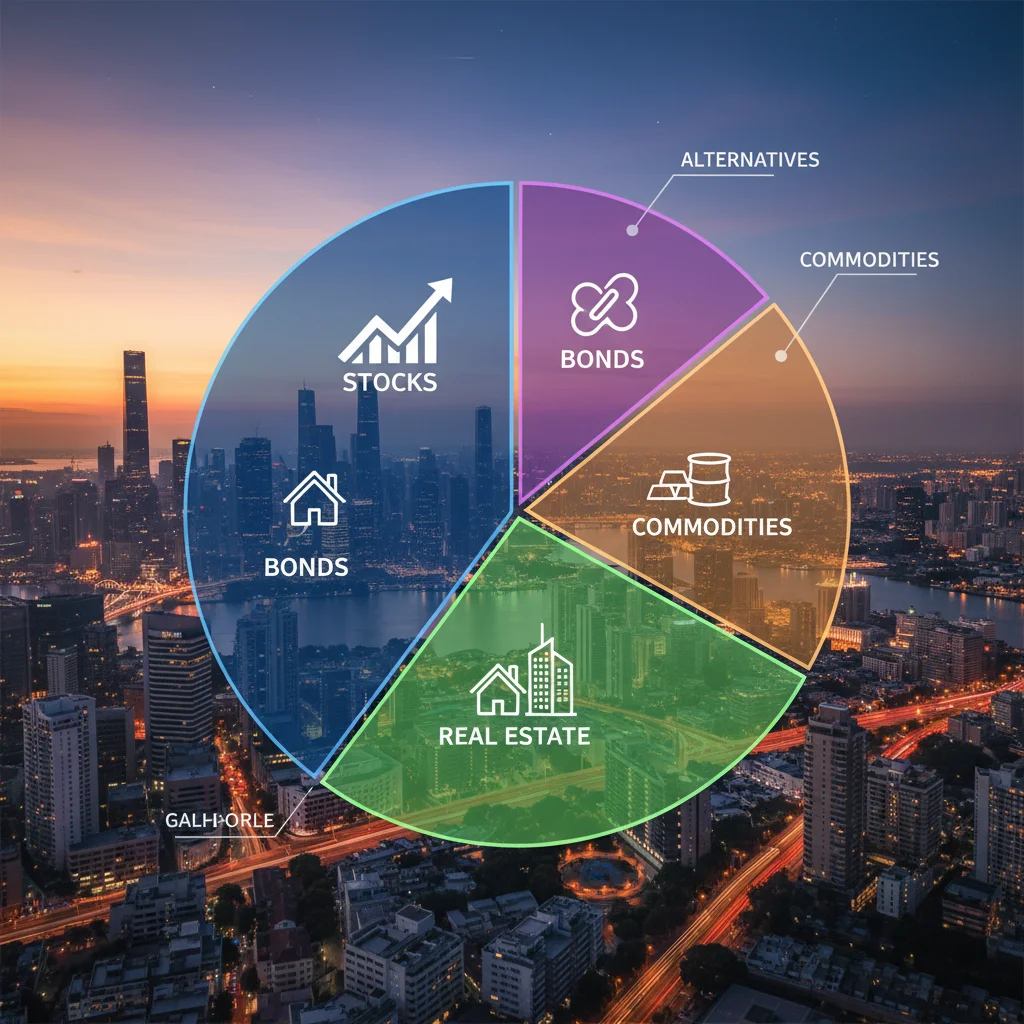
Use a spreadsheet or your brokerage’s portfolio analysis tools to calculate the current percentage of each asset class (e.g., US large-cap stocks, US small-cap stocks, US bonds, real estate, commodities, cash). Then, compare these percentages to your desired allocation. The discrepancies will highlight where rebalancing is needed.
2. Choose Your Rebalancing Method
There are several methods for US portfolio rebalancing, each with its own advantages:
- Calendar-Based Rebalancing: This is the simplest approach, where you rebalance at fixed intervals (e.g., quarterly, semi-annually, or annually). Q4 is a natural time for this. The benefit is its simplicity and discipline, but it might not always align with market movements.
- Threshold-Based Rebalancing: Here, you rebalance only when an asset class deviates by a certain percentage from its target allocation (e.g., if an asset class drifts 5% or more from its target). This method is more responsive to market changes but requires more frequent monitoring.
- Cash Flow Rebalancing: Instead of selling assets, you use new contributions (e.g., from salary or bond interest) to buy into underperforming asset classes until your target allocation is restored. This can be tax-efficient as it avoids selling appreciated assets.
For Q4 2026, a hybrid approach might be most effective: a calendar-based review at year-end, combined with a threshold-based trigger if significant market events cause early deviations.
3. Consider Specific US Asset Classes
When performing US portfolio rebalancing, delve into the specifics of each asset class:
- US Equities: Evaluate your exposure to different market capitalizations (large-cap, mid-cap, small-cap) and styles (growth, value). Are you overweight in a particular sector that has seen significant appreciation? Consider trimming these positions. Conversely, if certain sectors have lagged but have strong fundamentals, they might be candidates for increased allocation.
- US Fixed Income: Review your bond holdings. With potential shifts in interest rates, consider the duration and credit quality of your bonds. Short-duration bonds might offer more protection against rising rates, while high-yield bonds carry more credit risk but potentially higher returns.
- Real Estate (REITs): US Real Estate Investment Trusts (REITs) can offer diversification and income. Assess their performance in the context of interest rates and specific real estate sub-sectors (e.g., residential, commercial, industrial).
- Commodities: While often a smaller portion of a diversified portfolio, commodities like gold or oil can act as inflation hedges or provide diversification. Review their role in your portfolio, especially if inflation concerns persist.
- Cash: Ensure you have an adequate cash reserve for emergencies and to take advantage of market opportunities. However, excessive cash can be a drag on returns, especially in an inflationary environment.
Risk Management and Beyond: Advanced US Portfolio Rebalancing Tactics
Effective US portfolio rebalancing goes beyond simply adjusting percentages; it involves a deeper understanding of risk and strategic foresight.
Tax Implications of Rebalancing
One of the most critical aspects of US portfolio rebalancing, especially at year-end, is understanding its tax implications. Selling appreciated assets can trigger capital gains taxes. Consider:
- Tax-Loss Harvesting: If you have positions with unrealized losses, selling them can offset capital gains and potentially a limited amount of ordinary income. This is a powerful strategy for year-end US portfolio rebalancing.
- Tax-Advantaged Accounts: Prioritize rebalancing within tax-advantaged accounts (e.g., 401(k), IRA) where capital gains and losses are not immediately taxed. This allows for more flexibility without incurring immediate tax liabilities.
- FIFO vs. LIFO: Understand your brokerage’s default method for identifying shares sold (First-In, First-Out vs. Last-In, First-Out, or specific identification). Choosing the right method can minimize capital gains.
Always consult with a tax professional to ensure your US portfolio rebalancing strategy is tax-efficient and compliant with current regulations.
Addressing Behavioral Biases
Human psychology often works against rational investment decisions. During US portfolio rebalancing, be aware of common behavioral biases:
- Anchoring: Don’t get fixated on past prices or an asset’s peak value. Focus on its current valuation and future prospects.
- Confirmation Bias: Seek out information that challenges your existing views, rather than just confirming them.
- Fear of Missing Out (FOMO): Resist the urge to chase hot stocks or sectors that have already seen significant gains. Rebalancing often means trimming these, not adding more.
- Loss Aversion: Don’t hold onto losing positions hoping they will recover, especially if the fundamentals have deteriorated.
A disciplined approach to US portfolio rebalancing acts as a counterweight to these biases, forcing you to make objective decisions.
Reviewing Your Investment Thesis
Q4 2026 is also an excellent time to revisit the original investment thesis for each of your holdings. Has the fundamental reason you invested in a particular stock, bond, or fund changed? If a company’s competitive advantage has eroded, its management team has faltered, or its industry faces insurmountable headwinds, then simply rebalancing might not be enough. It might be time to consider divesting from that position entirely, regardless of its current weight in your portfolio. This deeper level of analysis ensures that your US portfolio rebalancing is not just mechanical but strategically sound.
Practical Steps for Your Q4 2026 US Portfolio Rebalancing
Here’s a step-by-step guide to conducting your US portfolio rebalancing effectively:
- Gather All Account Information: Consolidate statements from all your investment accounts (brokerage, 401(k), IRA, etc.). You need a holistic view of your entire portfolio.
- Determine Your Target Asset Allocation: If you haven’t already, define your ideal allocation based on your financial plan, risk tolerance, and time horizon. This is the blueprint for your US portfolio rebalancing.
- Calculate Current Asset Allocation: Use a spreadsheet or portfolio analysis tool to determine the current percentage breakdown of your portfolio by asset class.
- Identify Deviations: Compare your current allocation to your target. Note which asset classes are overweighted and which are underweighted.
- Formulate a Rebalancing Plan: Decide which assets to sell and which to buy to bring your portfolio back into alignment. Consider the tax implications carefully. Prioritize rebalancing within tax-advantaged accounts first.
- Execute Trades: Place the necessary buy and sell orders. Be mindful of transaction costs, especially if you have a large number of small positions.
- Document Your Decisions: Keep a record of why you made certain rebalancing decisions. This can be invaluable for future reviews and helps reinforce a disciplined approach.
- Review and Monitor: Rebalancing is not a one-time event. Continue to monitor your portfolio periodically and be prepared to rebalance again if significant market shifts occur or at your next scheduled review.
Common Mistakes to Avoid During US Portfolio Rebalancing
Even seasoned investors can fall prey to common pitfalls during US portfolio rebalancing:
- Over-Rebalancing: Rebalancing too frequently can lead to excessive transaction costs and potential tax liabilities, eroding your returns. Stick to your chosen method (calendar or threshold-based).
- Emotional Decisions: Allowing fear or greed to dictate your rebalancing moves is detrimental. Adhere to your established plan.
- Ignoring Tax Implications: Failing to consider the tax consequences of selling appreciated assets can significantly reduce your net gains.
- Neglecting Diversification: Don’t rebalance in a way that concentrates your portfolio excessively in a single asset, sector, or security. Maintain broad diversification.
- Forgetting About Fees: Be mindful of expense ratios for funds and trading commissions. These can eat into your returns over time.
- Not Reviewing Your Goals: Rebalancing should always be done in the context of your overarching financial goals. If your goals have changed, your target allocation might need adjustment before rebalancing.
Conclusion: Optimizing Your Portfolio for the Future with US Portfolio Rebalancing
The end of 2026 offers a prime opportunity to undertake a comprehensive and strategic US portfolio rebalancing. By understanding the prevailing market conditions, reviewing your asset allocation, and applying disciplined rebalancing strategies, you can ensure your investment portfolio remains robust, diversified, and aligned with your long-term financial aspirations. This proactive approach not only helps in managing risk but also positions you to capitalize on future growth opportunities within the dynamic US market.
Remember that investing is a marathon, not a sprint. Regular, thoughtful US portfolio rebalancing is a cornerstone of sound financial management, allowing you to adapt to changing economic landscapes and stay on track towards achieving your wealth-building objectives. Arm yourself with knowledge, stay disciplined, and approach your Q4 2026 rebalancing with confidence. Your financial future will thank you.