FTC Subscription Services: Avoid 10% Revenue Loss by Q4 2026

FTC Subscription Services: Avoid 10% Revenue Loss by Q4 2026
The landscape of digital commerce is constantly evolving, and with it, the regulatory frameworks designed to protect consumers. For businesses operating with subscription models, the Federal Trade Commission (FTC) has been a significant force in shaping how these services are offered, managed, and terminated. As we approach Q4 2026, a critical deadline looms for many businesses: the potential for a 10% revenue loss if they fail to align with the FTC’s latest rules on subscription services. This isn’t just a minor adjustment; it’s a fundamental shift that demands immediate attention and strategic planning. Understanding these new FTC subscription rules is paramount not only for compliance but for safeguarding your hard-earned recurring revenue.
The FTC’s focus has consistently been on ensuring transparency and fairness in consumer transactions. In the realm of subscriptions, this translates to stricter requirements around clear disclosure of terms, straightforward cancellation processes, and proactive communication with subscribers. The potential for a 10% revenue hit is not an arbitrary figure; it reflects the likely impact of increased churn due to non-compliance, regulatory fines, and reputational damage. This comprehensive guide will delve into the nuances of these regulations, provide actionable steps for compliance, and outline strategies to not only avoid penalties but also to build stronger, more trustworthy relationships with your customers.
For many companies, subscription services represent a significant, if not dominant, portion of their revenue. From SaaS platforms to streaming services, e-commerce subscriptions to digital content, the recurring revenue model is a cornerstone of modern business. The FTC’s heightened scrutiny is a direct response to a rise in consumer complaints related to “dark patterns,” opaque terms, and difficult cancellation procedures. Businesses that have historically relied on these less-than-transparent tactics will find themselves in the crosshairs. Conversely, those that embrace the spirit of the new regulations – prioritizing clarity and customer experience – stand to gain a competitive advantage.
The clock is ticking towards Q4 2026. Procrastination is not an option. Businesses must undertake a thorough review of their entire subscription lifecycle, from initial sign-up to renewal and cancellation. This includes auditing marketing materials, website interfaces, terms of service, and customer support protocols. The goal is to identify potential areas of non-compliance and develop a robust plan for remediation. Failure to do so could result in not only financial penalties but also a significant erosion of customer trust, which is far more challenging to rebuild than any revenue loss.
The Evolution of FTC Subscription Rules: What’s Changed?
The FTC’s journey into regulating subscription services is not new. For years, the agency has issued guidance and taken enforcement actions under Section 5 of the FTC Act, which prohibits unfair or deceptive acts or practices. However, recent amendments and increased enforcement focus signal a more aggressive stance, particularly with the introduction of the Restore Online Shoppers’ Confidence Act (ROSCA) and subsequent interpretations.
Historically, the FTC has targeted practices such as:
- Misleading Free Trials: Where consumers are unknowingly enrolled in paid subscriptions after a “free” period.
- Hidden Charges: Additional fees or services added without clear disclosure.
- Difficult Cancellations: Requiring consumers to jump through multiple hoops, make phone calls, or navigate confusing interfaces to cancel.
- Lack of Affirmative Consent: Enrolling consumers in subscriptions without their explicit and unambiguous agreement.
The latest iteration of FTC subscription rules build upon these foundations, making them more explicit and broadening their scope. The key shift is the emphasis on “click-to-cancel” provisions, clear and conspicuous disclosures, and annual reminders for certain subscriptions. The FTC is moving towards a model where the ease of cancellation should mirror the ease of sign-up – a concept often referred to as “symmetry.”
One of the most significant changes is the explicit requirement for a simple and accessible cancellation mechanism. No longer will businesses be able to funnel customers through lengthy phone queues or obscure web pages. If a customer can sign up online with a few clicks, they should be able to cancel online with similar ease. This “click-to-cancel” mandate is a game-changer for many businesses that have historically used friction as a retention strategy.
Furthermore, the FTC is scrutinizing the clarity and prominence of disclosures. This means that all material terms – including pricing, automatic renewal dates, and cancellation policies – must be presented in a way that is immediately noticeable and understandable to the average consumer, not buried in fine print or obscure links. The use of pre-checked boxes or default options that enroll consumers in subscriptions is also under intense scrutiny, if not outright prohibited in many contexts.
The upcoming Q4 2026 deadline isn’t just about avoiding non-compliance; it’s about proactively adapting to a new regulatory climate that prioritizes consumer rights. Businesses that view these changes as an opportunity to enhance their customer experience rather than a burden will be better positioned for long-term success. The FTC’s enforcement actions have shown a willingness to levy substantial fines, making compliance a financial imperative.
Understanding the “10% Revenue Loss” Threat
The projection of a 10% revenue loss by Q4 2026 is a stark warning. But where does this figure come from, and what mechanisms contribute to such a significant impact? It’s a confluence of factors, each capable of eroding your bottom line.
Increased Churn Due to Easy Cancellation
Perhaps the most direct impact of the “click-to-cancel” mandate is the potential for increased churn. While businesses may view friction in the cancellation process as a retention tool, the FTC sees it as a barrier to consumer choice. When cancellation becomes as easy as signing up, customers who were previously deterred by complex processes may now opt out more readily. This doesn’t necessarily mean a loss of satisfied customers, but it will expose customers who were only “sticky” due to inconvenience, not value. Businesses must now rely on the true value of their service and exceptional customer experience to retain subscribers.
FTC Fines and Penalties
The FTC has a history of imposing significant fines for violations of consumer protection laws. These penalties can range from hundreds of thousands to millions of dollars, depending on the severity and scope of the non-compliance. For example, a company found to be using deceptive auto-renewal practices could face millions in civil penalties, disgorgement of ill-gotten gains, and mandates for changes to their business practices. These fines directly impact revenue and can severely strain financial resources, especially for smaller businesses.
Reputational Damage and Loss of Trust
In today’s interconnected world, negative publicity travels fast. An FTC enforcement action or even widespread customer complaints about deceptive subscription practices can severely damage a company’s reputation. This damage translates into reduced new customer acquisition, increased customer service costs, and a general erosion of brand loyalty. Rebuilding trust is a long and arduous process, often costing more than the immediate financial penalties.
Legal Costs and Remediation Expenses
Responding to an FTC inquiry or enforcement action involves significant legal costs. Engaging legal counsel, conducting internal investigations, and implementing court-ordered or agreed-upon remediation measures can be incredibly expensive. These costs are a direct drain on revenue and divert resources that could otherwise be used for product development, marketing, or customer service.
Refunds and Chargebacks
In cases where deceptive practices are identified, the FTC may require companies to issue refunds to affected consumers. Additionally, consumers who feel wronged by unclear subscription terms are more likely to initiate chargebacks through their banks, leading to lost revenue, chargeback fees, and potential damage to merchant account standing. These financial reversals can compound the initial revenue loss.
The 10% revenue loss is therefore not a single, isolated event but a cumulative effect of these various factors. Proactive compliance is not just about avoiding penalties; it’s about building a resilient business model that thrives on transparency and customer satisfaction.
Key Pillars of FTC Subscription Compliance
To navigate the new regulatory landscape and avoid the projected revenue loss, businesses must focus on several key pillars of FTC subscription rules compliance. These pillars represent the core expectations of the FTC regarding consumer protection in subscription services.
1. Clear and Conspicuous Disclosures
This is arguably the most critical aspect. Businesses must clearly and conspicuously disclose all material terms of their subscription offers before the consumer is charged. This includes:
- Total Cost: The exact price, including any taxes or fees.
- Billing Frequency: How often the consumer will be charged (e.g., monthly, annually).
- Automatic Renewal: Clearly state that the subscription will automatically renew unless cancelled.
- Cancellation Policy: How to cancel, the deadline for cancellation, and any associated fees.
- Product/Service Description: What the consumer is getting.
“Clear and conspicuous” means more than just including the information in your terms of service. It means making it prominent, easy to read, and understand. This often translates to placing key information near the purchase button, using larger fonts, contrasting colors, and avoiding jargon.
2. Obtaining Affirmative Consent
Consumers must provide their express, informed, and unambiguous consent before being charged for any subscription. This means:
- No Pre-Checked Boxes: Consumers must actively select to enroll in the subscription.
- Explicit Agreement: A clear statement or action (e.g., clicking a button labeled “I agree to subscribe and pay”) that signifies consent.
- Separate Consent for Material Changes: If there are significant changes to the subscription terms (e.g., price increase), new affirmative consent may be required.
The goal is to ensure consumers genuinely understand what they are signing up for and actively agree to it, rather than being “tricked” into a recurring payment.
3. Simple and Easy Cancellation Mechanisms
This is where the “click-to-cancel” mandate comes into play. The FTC emphasizes that canceling a subscription should be as straightforward as subscribing. This means:
- Online Cancellation: If customers can subscribe online, they should be able to cancel online through a simple, prominent link or button in their account settings.
- No Unnecessary Obstacles: Avoid requiring phone calls, multiple steps, or “dark patterns” designed to frustrate cancellation.
- Immediate Effect: Cancellations should generally take effect promptly, or at the end of the current billing cycle, with clear communication to the consumer.
- Confirmation: Provide immediate confirmation of cancellation, ideally via email.
The FTC is particularly wary of “save attempts” that make it difficult to cancel. While offering alternatives or asking for feedback is acceptable, it should not impede the cancellation process.
4. Regular Reminders and Notifications
For certain types of subscriptions, particularly those with longer billing cycles or free trials, the FTC may require businesses to send periodic reminders to consumers about their upcoming charges or renewals. These reminders should:
- Be Timely: Sent sufficiently in advance to allow the consumer to cancel if they wish.
- Clearly State Renewal Terms: Reiterate the price, billing frequency, and how to cancel.
- Be Easy to Understand: Avoid overly promotional language and focus on the essential information.
This helps prevent consumers from being surprised by charges for services they no longer want or use, further enhancing transparency and reducing potential disputes.
5. Data Retention and Record Keeping
Businesses must maintain adequate records to demonstrate compliance with these rules. This includes:
- Proof of Consent: Records of how and when a consumer provided affirmative consent.
- Disclosure Records: Documentation of the disclosures provided to consumers at the time of purchase.
- Cancellation Records: Evidence of cancellation requests and their processing.
These records are crucial in the event of an FTC inquiry or consumer dispute, allowing businesses to demonstrate their adherence to the regulations.
Strategic Adjustments to Ensure Compliance and Protect Revenue
Meeting the FTC subscription rules isn’t just about avoiding penalties; it’s an opportunity to optimize your customer lifecycle and build a more sustainable business. Here are strategic adjustments businesses should consider implementing well before Q4 2026.
1. Audit Your Entire Subscription Journey
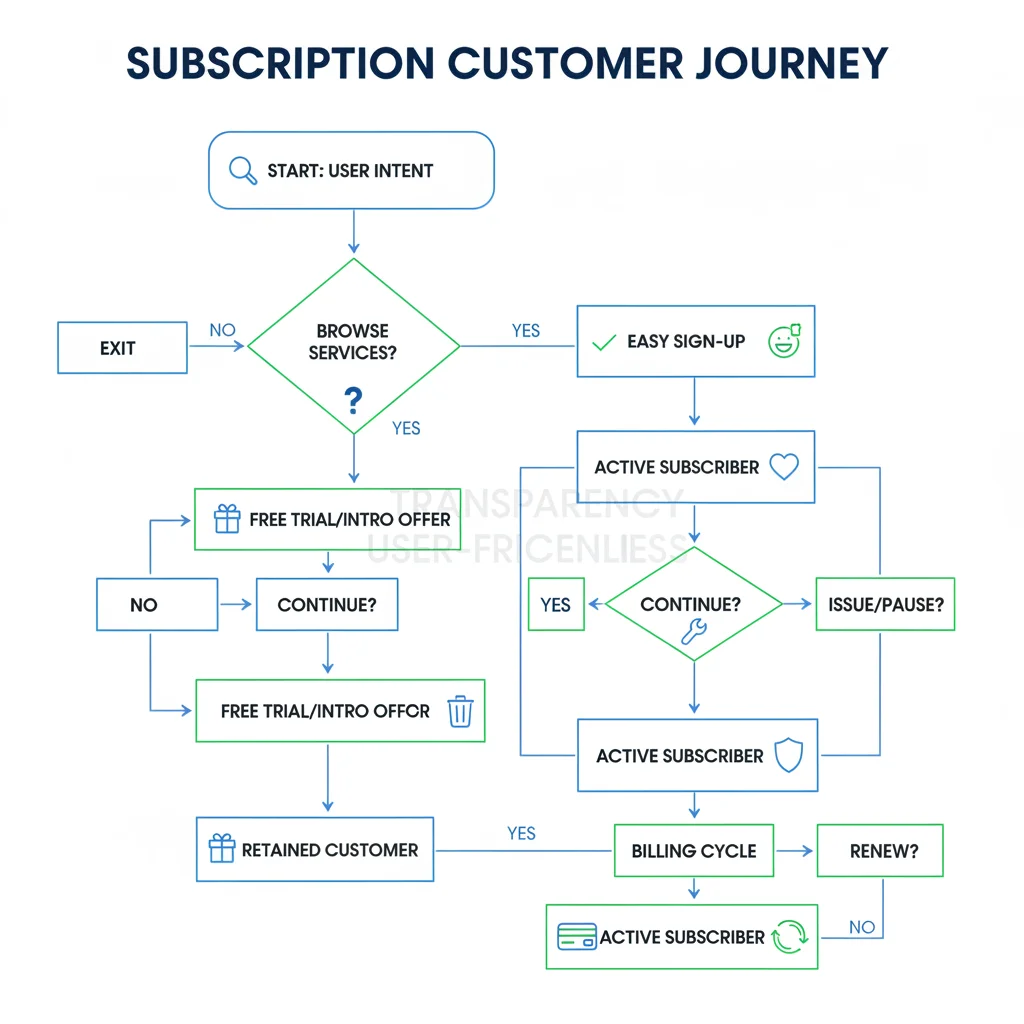
Conduct a comprehensive audit of every touchpoint in your subscription journey, from initial advertisement to cancellation. Map out the consumer experience step-by-step, identifying where disclosures are made, how consent is obtained, and the ease of the cancellation process. Look for “dark patterns” or any areas that could be perceived as misleading or burdensome. This audit should involve legal counsel to ensure thoroughness and accuracy.
2. Enhance Transparency in Marketing and Onboarding
Integrate clear and conspicuous disclosures directly into your marketing materials and onboarding flows. Don’t wait until the final checkout page to reveal critical terms. Use A/B testing to determine the most effective ways to present information without overwhelming users, ensuring clarity without sacrificing conversion rates. Transparency from the outset builds trust and reduces the likelihood of future disputes.
3. Streamline the Cancellation Process
Embrace the “click-to-cancel” philosophy. Design an intuitive, self-service cancellation option that is easily discoverable within the user’s account settings. While you can offer options to pause, downgrade, or provide feedback, these should never impede the primary goal of allowing the customer to cancel quickly and easily. Consider a “win-back” strategy that focuses on understanding why customers are leaving and addressing those issues, rather than making cancellation difficult.
4. Implement Proactive Communication Strategies
Develop a robust system for sending timely and clear renewal reminders, especially for annual subscriptions or after a free trial period. These communications should reiterate the subscription terms, upcoming charges, and a direct link to manage or cancel the subscription. This proactive approach not only complies with regulations but also improves customer satisfaction by preventing unexpected charges.
5. Invest in Customer Service Training
Ensure your customer service team is fully aware of the new FTC subscription rules and is equipped to handle customer inquiries and cancellation requests efficiently and compliantly. They should be trained to provide clear information, process cancellations without resistance, and address any concerns regarding billing or terms. A well-trained support team can turn a potential complaint into a positive customer interaction.

6. Leverage Technology for Compliance
Explore subscription management platforms and tools that are designed with regulatory compliance in mind. Many modern platforms offer features like configurable disclosure fields, automated renewal notifications, and streamlined cancellation workflows, which can significantly reduce the burden of manual compliance and record-keeping. Technology can be a powerful ally in ensuring adherence to FTC subscription rules.
7. Regular Legal Review and Updates
The regulatory landscape is dynamic. Schedule regular reviews of your subscription practices with legal counsel specializing in consumer protection and FTC regulations. This ensures that your business remains compliant with any evolving interpretations or new rules that may emerge between now and Q4 2026 and beyond. Proactive legal advice is an investment, not an expense.
8. Focus on Value-Driven Retention
Ultimately, the best defense against increased churn due to easy cancellation is to offer a product or service that customers genuinely value. Shift your retention strategy from “friction-based” to “value-based.” Continuously improve your offering, listen to customer feedback, and demonstrate the ongoing benefits of your subscription. When customers perceive high value, they are less likely to cancel, regardless of how easy it is.
The Road Ahead: Preparing for Q4 2026
The approaching Q4 2026 deadline for FTC subscription rules is not merely a compliance hurdle; it’s a strategic inflection point for any business relying on recurring revenue. The potential for a 10% revenue loss is a significant motivator, but the benefits of proactive compliance extend far beyond just avoiding penalties. By embracing transparency, fairness, and customer-centricity, businesses can not only meet regulatory requirements but also build stronger, more trustworthy relationships with their subscribers.
The time to act is now. Delaying these crucial adjustments will only increase the risk of non-compliance, financial penalties, and reputational damage. Start by assembling a cross-functional team involving legal, marketing, product, and customer service to conduct a thorough audit of your current subscription practices. Identify gaps, prioritize remediation efforts, and develop a clear roadmap for implementation.
Remember, the FTC’s objective is to protect consumers from deceptive practices. By aligning your business practices with this objective, you are not just complying with regulations; you are investing in the long-term health and sustainability of your subscription business. The shift towards greater transparency and easier cancellation may initially feel like a challenge, but it ultimately fosters a more equitable marketplace where businesses thrive by genuinely serving their customers, rather than by relying on confusing terms or difficult processes.
The future of subscription services will be defined by trust and value. Businesses that proactively adapt to the FTC’s evolving rules will be well-positioned to navigate this future successfully, safeguard their revenue streams, and cultivate a loyal customer base for years to come. Don’t let Q4 2026 catch you unprepared; turn compliance into a competitive advantage.