HIPAA Compliance 2026: Navigating New Data Breach Notification Rules

The healthcare industry is a dynamic environment, constantly adapting to technological advancements, evolving patient care models, and, crucially, regulatory updates. Among these regulations, the Health Insurance Portability and Accountability Act (HIPAA) stands as a cornerstone for protecting sensitive patient health information (PHI). As we approach 2026, healthcare organizations face a significant challenge: navigating the anticipated new data breach notification requirements under HIPAA. Understanding and preparing for these changes is not just a matter of compliance; it’s a fundamental aspect of maintaining patient trust and organizational integrity. This comprehensive guide delves into the intricate details of what HIPAA Compliance 2026 entails, focusing specifically on the updated breach notification rules and providing actionable strategies for preparedness.
The digital transformation of healthcare has brought unprecedented efficiencies but also amplified the risks of data breaches. Electronic health records (EHRs), telehealth platforms, and interconnected medical devices all generate vast amounts of PHI, making them attractive targets for cybercriminals. The current HIPAA Breach Notification Rule, while robust, is continually reviewed and updated to address emerging threats and technological landscapes. The impending changes for 2026 are expected to refine existing definitions, introduce new reporting timelines, and potentially expand the scope of what constitutes a reportable breach. For any entity handling PHI, staying informed and proactive is paramount to achieving robust HIPAA Compliance 2026.
This article will explore the historical context of HIPAA, analyze the current breach notification framework, and then pivot to the projected changes for 2026. We will discuss the implications for covered entities and business associates, offer practical steps for enhancing data security, and emphasize the importance of a strong incident response plan. Our goal is to equip healthcare professionals, IT managers, compliance officers, and legal teams with the knowledge necessary to confidently navigate the evolving regulatory landscape and ensure their organizations are fully prepared for HIPAA Compliance 2026.
The Evolution of HIPAA and Data Breach Regulations
To truly grasp the significance of HIPAA Compliance 2026, it’s essential to understand the journey of HIPAA itself. Enacted in 1996, HIPAA initially focused on improving portability and accountability of health insurance coverage. However, its scope expanded significantly with the Privacy Rule (2000) and the Security Rule (2003), which laid the groundwork for protecting PHI. The Privacy Rule established national standards for the protection of individually identifiable health information, while the Security Rule set national standards for protecting electronic PHI (ePHI).
The HITECH Act of 2009 further strengthened HIPAA by increasing the civil and criminal penalties for non-compliance and, crucially, introducing the Breach Notification Rule. This rule mandated that covered entities and their business associates notify affected individuals, the Secretary of Health and Human Services (HHS), and, in some cases, the media, following a breach of unsecured PHI. This was a monumental shift, bringing transparency to data breaches and holding organizations more accountable.
Since HITECH, there have been various interpretations, enforcement actions, and minor adjustments, but the core principles of the Breach Notification Rule have remained. The healthcare sector, however, hasn’t stood still. Cyber threats have grown in sophistication and frequency, data volumes have exploded, and new technologies like AI and cloud computing are constantly being integrated. These rapid changes necessitate a continuous review of regulatory frameworks to ensure they remain effective and relevant. The anticipated updates for HIPAA Compliance 2026 are a direct response to this evolving digital risk landscape, aiming to close potential loopholes and strengthen protections for patient data.
Current HIPAA Breach Notification Rule: A Quick Recap
Before diving into future changes, let’s briefly recap the current requirements of the HIPAA Breach Notification Rule. A breach is generally defined as the acquisition, access, use, or disclosure of unsecured PHI in a manner not permitted by the Privacy Rule which compromises the security or privacy of the PHI. ‘Unsecured PHI’ refers to PHI that is not rendered unusable, unreadable, or indecipherable to unauthorized persons through the use of a technology or methodology specified by the Secretary of HHS, such as encryption.
Key aspects of the current rule include:
- Notification to Individuals: Covered entities must notify affected individuals without unreasonable delay and in no case later than 60 calendar days after the discovery of a breach.
- Notification to the Secretary of HHS: For breaches affecting 500 or more individuals, covered entities must notify the Secretary of HHS within 60 calendar days of discovery. For breaches affecting fewer than 500 individuals, a log can be maintained and reported annually.
- Notification to Media: If a breach affects more than 500 residents of a state or jurisdiction, covered entities must notify prominent media outlets serving that state or jurisdiction.
- Business Associate Responsibilities: Business associates must notify the covered entity of a breach within 60 calendar days of discovery.
- Risk Assessment: Organizations must conduct a risk assessment to determine the probability that PHI has been compromised. This assessment considers the nature and extent of the PHI involved, the unauthorized person who used or disclosed the PHI, whether the PHI was actually acquired or viewed, and the extent to which the risk to the PHI has been mitigated.
These foundational elements form the basis upon which HIPAA Compliance 2026 will build, likely introducing more stringent requirements and clearer guidance on each of these points.
Anticipated Changes to Data Breach Notification Requirements in 2026
While the exact specifics of the HIPAA Compliance 2026 updates are still being finalized, industry experts and regulatory bodies have provided insights into the likely areas of focus. These changes are expected to address the shortcomings of the current rule in the face of modern cyber threats and technological advancements. The primary goal will be to enhance patient protection, streamline reporting, and ensure greater accountability across the healthcare ecosystem.
Potential Areas of Revision:
- Refined Definitions of ‘Breach’ and ‘Unsecured PHI’: The definitions might be updated to more explicitly include emerging data types or scenarios, such as breaches involving de-identified data that can be re-identified, or specific types of cyberattacks like ransomware that lock access to data without necessarily exfiltrating it. This could broaden the scope of what constitutes a reportable event, demanding more vigilance for HIPAA Compliance 2026.
- Stricter Notification Timelines: The current ‘without unreasonable delay and in no case later than 60 days’ might be shortened, especially for breaches affecting a large number of individuals. Some proposals suggest a 30-day or even shorter window for critical breaches, aligning with other global data protection regulations like GDPR. This would necessitate faster detection and response capabilities.
- Expanded Notification Content Requirements: The information required in breach notifications to individuals, HHS, and media outlets could become more detailed. This might include mandatory disclosure of the specific type of data compromised, the likely impact on individuals, and more explicit instructions on steps individuals can take to protect themselves. This aims to empower individuals and provide clearer communication following a breach.
- Clarification on Risk Assessment Methodology: While risk assessment is currently required, the 2026 updates might provide more prescriptive guidance or standardized methodologies for determining the probability of PHI compromise. This could reduce ambiguity and ensure consistency across organizations in breach determination.
- Increased Focus on Business Associate Accountability: Given the increasing reliance on third-party vendors, the updates could strengthen the responsibilities of business associates in preventing, detecting, and reporting breaches. This might include more explicit contractual requirements for incident response and direct reporting obligations in certain circumstances, making HIPAA Compliance 2026 a shared responsibility.
- Reporting for Smaller Breaches: The annual reporting for breaches affecting fewer than 500 individuals might see revisions. There could be a shift towards more immediate, albeit less public, reporting for all breaches, regardless of size, to provide HHS with a clearer, real-time picture of the threat landscape.
- Emerging Technologies and AI: The new rules might address breaches related to artificial intelligence (AI) systems, machine learning algorithms, and other advanced technologies that process PHI. This could include guidelines on securing AI models, data used for training, and outputs that contain PHI.
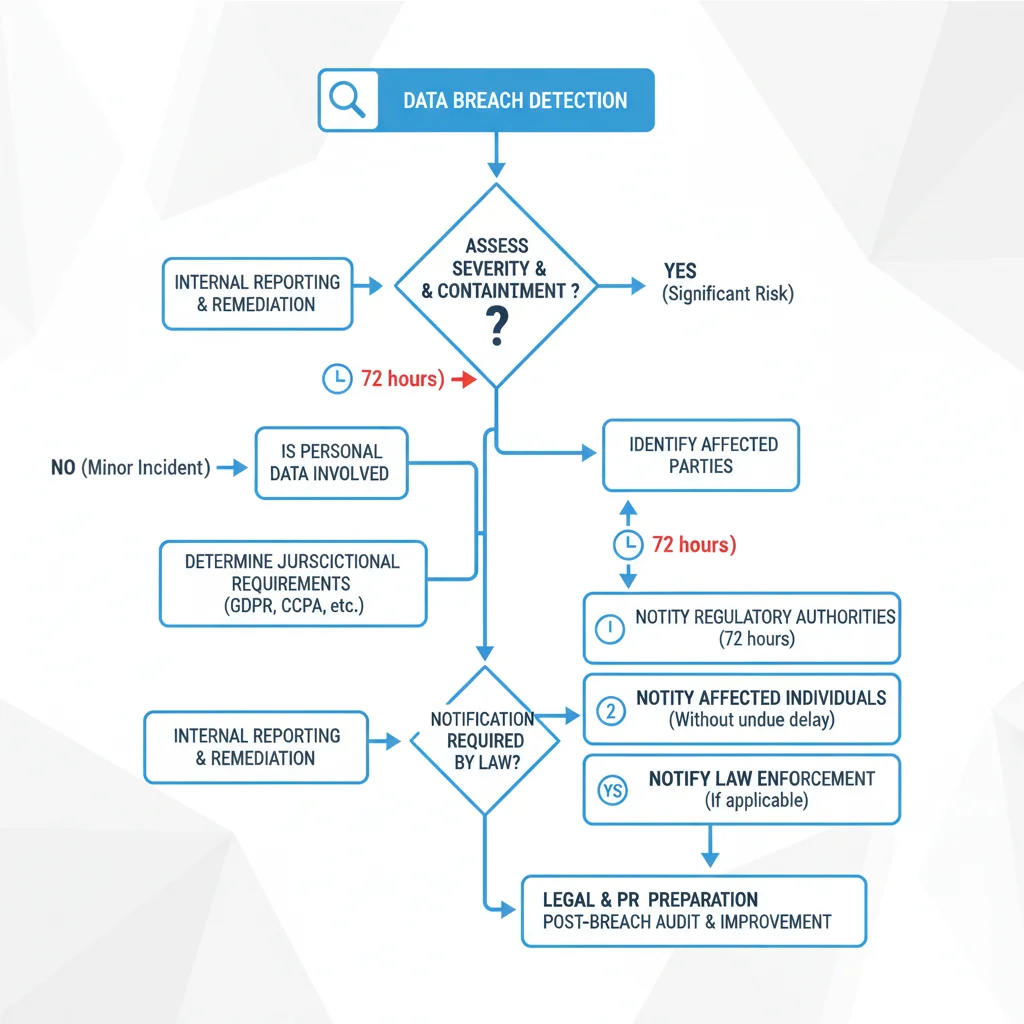
These potential changes underscore a growing governmental and public demand for greater transparency, faster response times, and more robust security measures in healthcare. Organizations must prepare not just to react to breaches, but to proactively prevent them and respond with unparalleled efficiency under the new HIPAA Compliance 2026 framework.
Implications for Covered Entities and Business Associates
The anticipated updates for HIPAA Compliance 2026 will have far-reaching implications for all entities that handle PHI. Both covered entities (e.g., hospitals, clinics, health plans) and business associates (e.g., billing companies, IT providers, cloud service providers) will need to re-evaluate their current practices and make significant adjustments.
For Covered Entities:
- Enhanced Incident Response Plans: Organizations will need to review and likely overhaul their incident response plans to align with potentially shorter notification timelines and expanded reporting requirements. This means regular testing of these plans, involving all relevant departments, from IT to legal to public relations.
- Increased Due Diligence with Business Associates: Covered entities will need to strengthen their vendor management programs, ensuring that business associate agreements (BAAs) reflect the new HIPAA Compliance 2026 requirements. This includes conducting thorough due diligence on vendors’ security practices and their ability to comply with new breach notification obligations.
- Investment in Security Technology: The pressure to prevent breaches will intensify. This will likely drive further investment in advanced cybersecurity technologies, such as intrusion detection systems, advanced threat protection, data loss prevention (DLP), and robust encryption solutions.
- Comprehensive Employee Training: Human error remains a leading cause of breaches. Organizations must implement more frequent and comprehensive training programs for all staff on data security best practices, phishing awareness, and their role in identifying and reporting potential security incidents.
- Legal and Compliance Review: Legal and compliance teams will need to meticulously analyze the final rules to ensure all internal policies and procedures are updated accordingly. This includes revisiting internal definitions of ‘breach’ and ‘unsecured PHI’ to align with the new standards.
For Business Associates:
- Directly Impacted by Stricter Rules: Business associates, often the frontline in data processing, will feel the direct impact of any stricter reporting timelines and expanded responsibilities. They must be prepared to notify covered entities much faster and provide more detailed information regarding breaches.
- Revisiting BAAs: Business associate agreements will need to be revised to reflect the new obligations. This might involve renegotiating terms with covered entities regarding liability, notification procedures, and security standards.
- Strengthening Internal Security Posture: To meet the demands of HIPAA Compliance 2026, business associates must prioritize strengthening their own cybersecurity defenses. This includes implementing robust security frameworks, conducting regular risk assessments, and obtaining relevant security certifications.
- Demonstrating Compliance: Business associates will need to be able to demonstrate their compliance efforts to covered entities, potentially through audit reports, penetration test results, and detailed security documentation.
The overarching theme is a heightened expectation of proactive security measures and rapid, transparent responses to data breaches. Failure to adapt to these changes could result in significant penalties, reputational damage, and loss of patient trust.
Strategies for Achieving Robust HIPAA Compliance 2026
Preparing for HIPAA Compliance 2026 requires a multi-faceted approach that integrates technology, policy, and human elements. Organizations cannot afford to wait until the final rules are published; proactive steps taken now will significantly ease the transition.
1. Conduct a Comprehensive Risk Assessment and Gap Analysis
Start by evaluating your current security posture against existing HIPAA requirements and anticipating the likely changes. Identify vulnerabilities in your systems, processes, and policies that could lead to a data breach. A gap analysis will pinpoint areas where your current practices fall short of the expected 2026 standards, allowing you to prioritize remediation efforts.
2. Fortify Data Security Infrastructure
Invest in and implement robust cybersecurity measures. This includes:
- Encryption: Ensure all ePHI, both in transit and at rest, is encrypted using strong, industry-standard methods. Unsecured PHI is the primary trigger for breach notifications.
- Access Controls: Implement strict access controls based on the principle of least privilege, ensuring only authorized personnel can access PHI relevant to their job functions.
- Multi-Factor Authentication (MFA): Mandate MFA for all systems containing or accessing PHI to prevent unauthorized access, even if passwords are compromised.
- Network Security: Deploy firewalls, intrusion detection/prevention systems (IDPS), and regularly monitor network traffic for suspicious activity.
- Endpoint Security: Install and maintain up-to-date antivirus and anti-malware solutions on all devices accessing PHI.
- Data Loss Prevention (DLP): Implement DLP solutions to prevent sensitive data from leaving your network without authorization.
3. Enhance Incident Detection and Response Capabilities
Given the likelihood of shorter notification timelines, rapid detection and response are critical for HIPAA Compliance 2026. This involves:
- Security Information and Event Management (SIEM): Implement SIEM systems to aggregate and analyze security logs from across your environment, enabling faster detection of anomalies and potential breaches.
- Regular Penetration Testing and Vulnerability Scans: Proactively identify weaknesses in your systems before attackers do.
- Develop and Test an Incident Response Plan (IRP): Create a detailed IRP that outlines clear roles, responsibilities, and steps to be taken from breach discovery to notification and remediation. Conduct tabletop exercises and simulations regularly to test the plan’s effectiveness and identify areas for improvement.
- Forensic Capabilities: Ensure you have the internal expertise or external partnerships to conduct thorough digital forensics investigations following a breach to understand its scope and impact.
4. Strengthen Business Associate Management
As mentioned, business associates play a crucial role. For HIPAA Compliance 2026, you must:
- Review and Update BAAs: Ensure all Business Associate Agreements are current and explicitly outline responsibilities for data security, breach notification, and compliance with the new rules.
- Regular Vendor Assessments: Conduct periodic security assessments and audits of your business associates to verify their compliance with HIPAA and your contractual obligations.
- Communication Protocols: Establish clear communication protocols with BAs for reporting security incidents and breaches promptly.
5. Prioritize Employee Training and Awareness
Your workforce is your first line of defense. Deliver ongoing training that covers:
- HIPAA Basics: Reinforce the fundamentals of HIPAA, the Privacy Rule, and the Security Rule.
- Phishing and Social Engineering: Educate employees on how to identify and report phishing attempts and other social engineering tactics.
- Data Handling Best Practices: Provide clear guidelines on how to securely handle, store, and transmit PHI.
- Incident Reporting Procedures: Ensure all employees know how to report a suspected security incident or breach internally.

By investing in your people’s knowledge and vigilance, you create a culture of security that is essential for effective HIPAA Compliance 2026.
6. Embrace Continuous Compliance Monitoring
Compliance is not a one-time event; it’s an ongoing process. Implement systems for continuous monitoring of your security controls and compliance status. Use compliance management software to track your efforts, manage policies, and prepare for potential audits. Regularly review and update your policies and procedures to reflect changes in technology, threats, and regulations.
The Role of Technology in Achieving HIPAA Compliance 2026
Technology is both the source of many data breach risks and the most powerful tool for mitigating them. Leveraging the right technological solutions will be paramount for healthcare organizations striving for HIPAA Compliance 2026.
- Cloud Security Solutions: As more healthcare organizations move to the cloud, robust cloud security postures are essential. This includes secure cloud configurations, cloud access security brokers (CASB), and continuous monitoring of cloud environments.
- Artificial Intelligence and Machine Learning in Cybersecurity: AI and ML can significantly enhance threat detection capabilities by analyzing vast amounts of data for anomalies and predicting potential attacks faster than human analysts. These technologies can be integrated into SIEM systems and threat intelligence platforms.
- Identity and Access Management (IAM): Advanced IAM solutions can help manage user identities, enforce strong authentication policies, and streamline access provisioning and de-provisioning, which is crucial for controlling access to PHI.
- Data Governance and Classification Tools: Understanding where PHI resides and classifying it appropriately is the first step in protecting it. Data Governance tools can help map data flows, identify sensitive information, and ensure it’s handled according to policy.
- Secure Communication Platforms: For telehealth and patient communication, utilizing HIPAA-compliant secure messaging and video conferencing platforms is non-negotiable.
The strategic deployment of these technologies, coupled with human oversight and well-defined processes, will form the backbone of a successful HIPAA Compliance 2026 strategy.
Navigating the Future: A Proactive Approach to HIPAA Compliance
The journey towards HIPAA Compliance 2026 is not merely about adhering to a set of rules; it’s about fostering a culture of security and privacy within your organization. It’s about recognizing that patient trust is intrinsically linked to the security of their most sensitive information. The healthcare industry is at a crossroads, where the benefits of digital innovation must be balanced with the imperative of data protection.
As the final rules for the updated breach notification requirements emerge, organizations that have taken a proactive stance will be in a far better position to adapt. Those who wait will face a scramble, potentially leading to costly non-compliance penalties, legal repercussions, and severe damage to their reputation. The Office for Civil Rights (OCR) under HHS has consistently demonstrated its commitment to enforcing HIPAA, and the penalties for violations can be substantial, ranging from thousands to millions of dollars, depending on the severity and intent.
Furthermore, the impact of a data breach extends beyond financial penalties. It erodes patient trust, damages brand reputation, and can lead to significant operational disruptions. Patients are increasingly aware of their rights regarding data privacy and expect healthcare providers to safeguard their information diligently. A breach can lead to a loss of patient loyalty, affecting an organization’s bottom line and its ability to deliver care effectively.
Therefore, the focus for HIPAA Compliance 2026 must be holistic. It requires collaboration between IT, legal, compliance, executive leadership, and every employee. It demands continuous vigilance, ongoing education, and a commitment to adapting security practices in response to an ever-evolving threat landscape. By embracing these principles, healthcare organizations can not only meet the new regulatory challenges but also strengthen their overall security posture, ultimately better serving their patients and securing their future in the digital age.
Final Thoughts and Recommendations
In conclusion, the impending changes to HIPAA’s data breach notification requirements in 2026 represent a critical juncture for the healthcare industry. Organizations must view these updates not as burdens, but as opportunities to reinforce their commitment to patient privacy and data security. A proactive, comprehensive approach that includes robust risk assessments, advanced security technologies, stringent business associate management, and continuous employee training will be essential for navigating this evolving landscape successfully.
Stay informed about official announcements from HHS and the OCR regarding the finalization of these rules. Engage with industry associations and cybersecurity experts to gain insights and best practices. Most importantly, embed a culture of security throughout your organization, making data protection a shared responsibility. By doing so, you will not only achieve HIPAA Compliance 2026 but also build a more resilient and trustworthy healthcare environment for everyone.