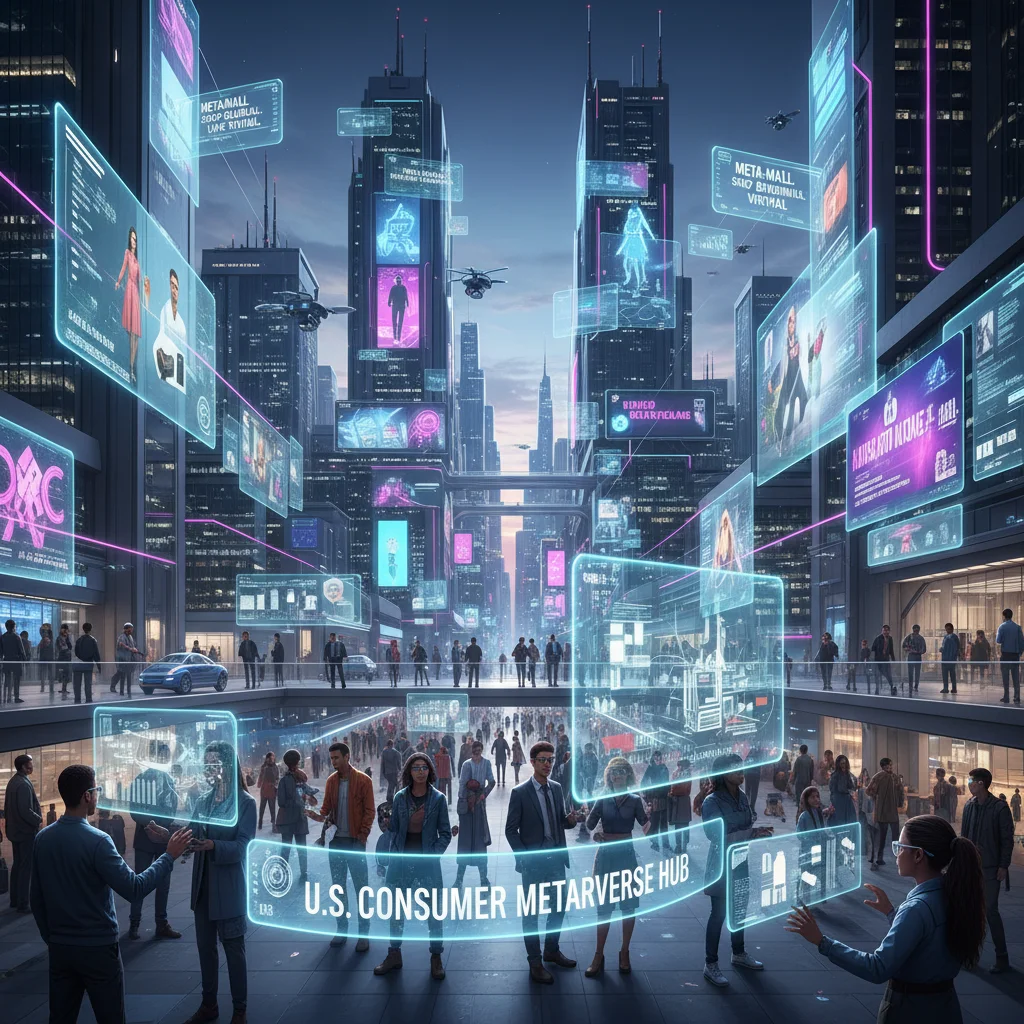
The Impact of Metaverse Technologies on U.S. Consumer Markets: 5 Trends to Watch in 2026 (RECENT UPDATES)
The concept of the metaverse, once a staple of science fiction, is rapidly transitioning into a tangible reality, profoundly reshaping the landscape of U.S. consumer markets. As we move closer to 2026, the convergence of virtual reality (VR), augmented reality (AR), artificial intelligence (AI), and blockchain technologies is creating a persistent, immersive digital environment where consumers can work, play, socialize, and shop. This isn’t just about gaming; it’s about a fundamental shift in how people interact with brands, services, and each other. The metaverse consumer trends are not merely technological curiosities; they are emerging economic drivers that demand attention from businesses and marketers alike. Understanding these shifts is crucial for anyone looking to stay competitive and relevant in the evolving digital economy.
The U.S. consumer market, known for its rapid adoption of new technologies and its significant purchasing power, is at the forefront of this transformation. Early adopters are already experimenting with virtual goods, digital identities, and immersive experiences, setting the stage for broader mainstream engagement. This article will delve into five critical metaverse consumer trends that are poised to define the U.S. consumer landscape by 2026, offering recent updates and insights into their potential impact. From the rise of virtual commerce to the personalization of digital identities, these trends represent significant opportunities and challenges for businesses.
The metaverse is not a single destination but a collection of interconnected virtual worlds, each offering unique experiences. Its appeal lies in its ability to transcend physical limitations, offering unparalleled levels of immersion and interaction. For consumers, this means access to new forms of entertainment, education, and social connection. For businesses, it presents novel avenues for brand engagement, product demonstration, and revenue generation. However, navigating this new frontier requires a deep understanding of consumer behavior within these digital spaces, as well as the technological infrastructure supporting them. The upcoming years will be pivotal in shaping the metaverse’s trajectory and its lasting effects on U.S. consumers.
Trend 1: The Explosion of Virtual and Immersive Commerce
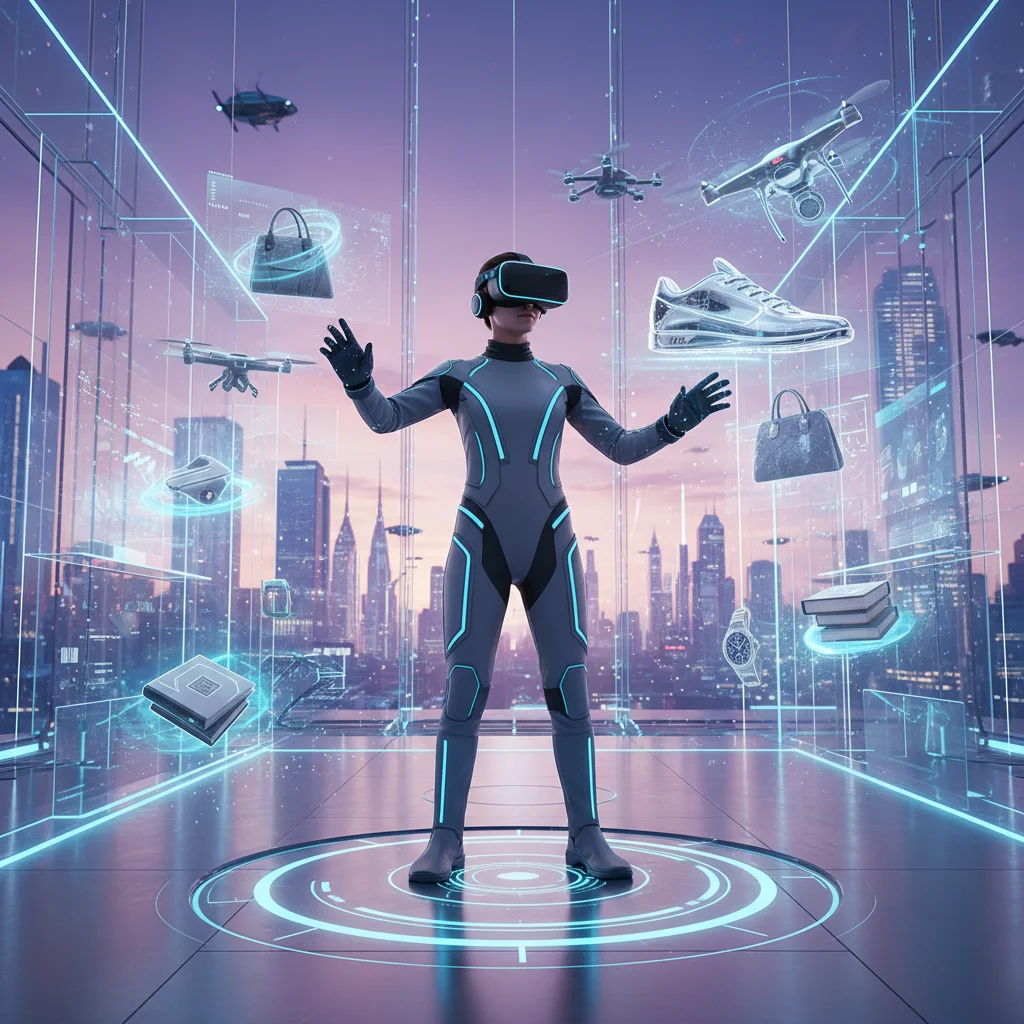
One of the most significant metaverse consumer trends to watch is the rapid expansion of virtual and immersive commerce. By 2026, traditional e-commerce will have evolved dramatically, incorporating 3D environments, interactive product displays, and personalized shopping assistants within the metaverse. Consumers will no longer just browse static product images; they will be able to ‘try on’ virtual clothes, test drive digital cars, and walk through virtual showrooms, all from the comfort of their homes. This shift is driven by advancements in VR/AR hardware, making these experiences more accessible and realistic.
Recent updates indicate that major brands are already investing heavily in this space. Retail giants are launching virtual stores, replicating their physical locations in the metaverse, and offering exclusive digital products (NFTs) that complement their physical offerings. For instance, luxury brands are creating digital twins of their high-end items, allowing consumers to purchase both a physical and a virtual version, or even just the virtual one for their avatars. This trend extends beyond fashion to include home goods, automotive, and even real estate, where virtual tours and digital property ownership are becoming increasingly common.
The appeal of immersive commerce lies in its ability to bridge the gap between online and in-store shopping. It offers the convenience of online purchasing with the experiential richness of physical retail. Consumers can interact with products in ways previously unimaginable, gaining a deeper understanding and appreciation before making a purchase. This also fosters a stronger emotional connection with brands, as the shopping experience becomes more engaging and memorable. Businesses that fail to adapt to this immersive commerce paradigm risk being left behind as consumers increasingly seek out these richer digital interactions. The integration of blockchain technology further enhances this trend by enabling secure ownership of digital assets and transparent transactions, building trust in virtual marketplaces.
Trend 2: Hyper-Personalized Digital Identities and Avatars
The metaverse is fundamentally about identity. As U.S. consumers spend more time in virtual worlds, their digital identities, represented by customizable avatars, will become increasingly sophisticated and central to their online persona. This isn’t just about choosing a pre-set character; it’s about creating a unique, expressive, and evolving digital self that can traverse various metaverse platforms. This trend is driven by a desire for self-expression, social connection, and the ability to project a desired image in digital spaces.
By 2026, we anticipate a surge in demand for highly personalized avatar creation tools, digital fashion, and accessories. Consumers will invest in unique digital assets to customize their avatars, reflecting their personality, status, and affiliations. This opens entirely new markets for digital designers, artists, and brands specializing in virtual goods. We’re already seeing celebrities and influencers launching their own lines of digital clothing and accessories, further fueling this demand. The concept of ‘digital ownership’ through NFTs plays a crucial role here, allowing consumers to truly own and carry their unique digital assets across different metaverse experiences.
The implications for marketers are profound. Understanding a consumer’s digital identity and the choices they make for their avatar will provide invaluable insights into their preferences and values. Brands will need to develop strategies not just for selling physical products, but for selling digital counterparts, or even entirely digital experiences that enhance a consumer’s metaverse identity. The ability to create a consistent, recognizable, and appealing digital persona across multiple platforms will be a key differentiator for consumers, making this one of the most compelling metaverse consumer trends.
Trend 3: The Rise of Immersive Entertainment and Social Experiences
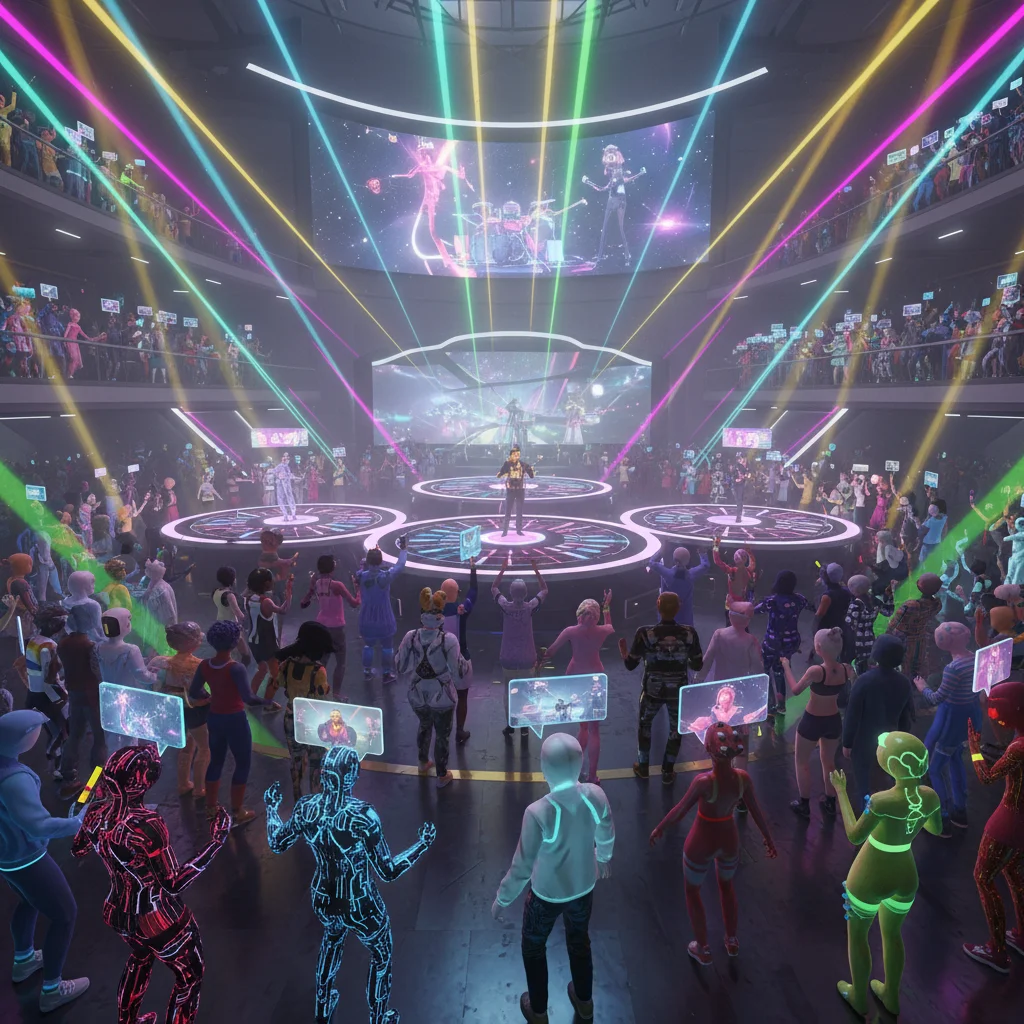
Beyond commerce, the metaverse is poised to revolutionize entertainment and social interaction for U.S. consumers. By 2026, traditional forms of media and social platforms will be increasingly augmented by immersive, interactive alternatives. Think virtual concerts where you can stand next to friends, interactive movie experiences where you influence the plot, and social hubs where people from around the world gather to play games, attend events, or simply converse in 3D spaces.
Recent developments show a clear trajectory towards this future. Major music artists are hosting virtual concerts attracting millions of attendees, and gaming platforms are evolving into comprehensive social ecosystems where gaming is just one of many activities. The integration of haptic feedback technology will further enhance these experiences, allowing users to ‘feel’ virtual interactions, from the rumble of a virtual car to the texture of a digital fabric. This level of immersion creates unparalleled engagement and a sense of presence that traditional media cannot replicate.
For U.S. consumers, this means new opportunities for leisure, connection, and self-expression. For businesses, particularly in the entertainment and media sectors, this represents a vast new landscape for content creation, distribution, and monetization. Brands will need to think beyond traditional advertising and consider how they can create engaging, immersive experiences within the metaverse that resonate with consumers. The line between entertainment and social networking will blur, leading to hybrid platforms that offer a rich tapestry of activities. This shift towards immersive entertainment and social experiences is a cornerstone of future metaverse consumer trends.
Trend 4: Decentralized Ownership and Creator Economies
A fundamental aspect of the metaverse, particularly the vision often associated with Web3, is the concept of decentralized ownership and the empowerment of creator economies. By 2026, U.S. consumers will increasingly engage with platforms that allow them to truly own their digital assets, a paradigm shift from the centralized control prevalent in current digital ecosystems. This is primarily facilitated by blockchain technology and non-fungible tokens (NFTs), which provide verifiable proof of ownership for digital items.
This trend means that consumers will not only be able to purchase digital goods but also create, sell, and trade them, earning real-world value from their contributions to the metaverse. Artists, designers, developers, and even casual users can become entrepreneurs in this new digital economy. We’re already seeing platforms emerge that enable users to build their own virtual worlds, design digital fashion lines, or create unique interactive experiences, and then monetize these creations. This fosters a vibrant, user-driven ecosystem where innovation is rewarded directly.
The implications for brands are significant. Instead of just selling products, companies can also empower their communities to co-create, customize, and even resell branded digital content. This fosters deeper engagement and loyalty, transforming consumers from passive recipients into active participants and stakeholders. Understanding the nuances of decentralized autonomous organizations (DAOs) and tokenomics will be crucial for businesses looking to tap into this creator-centric aspect of the metaverse. The rise of decentralized ownership and creator economies is not just a technological shift; it’s a socio-economic transformation that will redefine how value is created and exchanged in the digital realm, making it a pivotal among the metaverse consumer trends.
Trend 5: The Blurring Lines Between Physical and Digital Worlds (Phygital Experiences)
The final, and perhaps most encompassing, trend for U.S. consumer markets in the metaverse by 2026 is the increasing convergence of physical and digital realities, often referred to as ‘phygital’ experiences. This isn’t about one replacing the other, but rather about creating seamless, interconnected experiences that leverage the best of both worlds. Augmented reality (AR) will play a crucial role here, overlaying digital information and interactive elements onto the real world.
Imagine using AR glasses to see product reviews projected onto items in a physical store, or interacting with digital art installations that appear in public spaces. This trend extends to events, where attendees might experience a live concert while simultaneously interacting with digital elements or virtual attendees from around the globe. Brands are already experimenting with AR filters for social media, allowing consumers to virtually try on products or see how furniture would look in their homes before purchasing. This provides a rich, contextual experience that enhances decision-making and engagement.
By 2026, advancements in wearable technology, such as lightweight AR glasses and haptic feedback devices, will make these phygital experiences more commonplace and intuitive. Consumers will expect brands to offer integrated experiences that allow them to move fluidly between physical and digital touchpoints. This requires a holistic marketing strategy that considers both physical presence and digital engagement, ensuring a consistent brand narrative across all dimensions. The ability to seamlessly blend the physical and digital will be a key differentiator for businesses, driving innovation in product design, marketing, and customer service. This blurring of lines represents a mature stage of metaverse consumer trends, indicating a fully integrated digital lifestyle.
Challenges and Opportunities for Businesses
While these metaverse consumer trends present immense opportunities, they also come with significant challenges. Businesses must contend with issues of interoperability between different metaverse platforms, ensuring a seamless experience for consumers moving between virtual spaces. Data privacy and security will be paramount, as the metaverse will collect vast amounts of personal data, requiring robust protective measures and transparent practices to build consumer trust. Furthermore, accessibility remains a barrier, as high-end VR/AR hardware can be expensive, potentially excluding segments of the population. Bridging the digital divide will be crucial for widespread adoption and equitable participation in the metaverse economy.
Moreover, the ethical implications of immersive technologies, such as potential addiction, digital harassment, and the impact on mental health, require careful consideration. Brands entering the metaverse must prioritize responsible design and community moderation to create safe and inclusive environments. Regulatory frameworks are also still nascent, and businesses will need to stay agile to adapt to evolving legal landscapes concerning digital ownership, intellectual property, and virtual transactions.
Despite these hurdles, the opportunities for innovation and growth are undeniable. Early movers who strategically invest in metaverse technologies, understand consumer behavior in these new environments, and prioritize ethical development stand to gain significant competitive advantages. This includes developing unique digital products, creating engaging immersive experiences, building strong virtual communities, and fostering a sense of co-creation with consumers. The metaverse offers a chance to redefine customer relationships, unlock new revenue streams, and build brands that resonate deeply with a digitally native generation.
Conclusion: Navigating the Metaverse Future
The U.S. consumer market is on the cusp of a profound transformation, driven by the accelerating development and adoption of metaverse technologies. The five metaverse consumer trends discussed – the explosion of virtual commerce, hyper-personalized digital identities, the rise of immersive entertainment, decentralized ownership and creator economies, and the blurring of physical and digital worlds – are not isolated phenomena but interconnected facets of a larger paradigm shift. By 2026, these trends will have significantly reshaped how U.S. consumers interact with brands, consume content, and build social connections.
For businesses, staying ahead means more than just being aware of these trends; it requires proactive engagement, strategic investment, and a willingness to innovate. Understanding the underlying technologies, anticipating shifts in consumer behavior, and embracing the ethical responsibilities that come with building immersive digital worlds will be critical for success. The metaverse is not a fleeting fad but a foundational evolution of the internet, offering unprecedented opportunities for those willing to explore its vast potential.
As we move forward, the companies that thrive will be those that can create meaningful, valuable, and responsible experiences within these new digital frontiers. The future of U.S. consumer markets will be increasingly intertwined with the metaverse, demanding a forward-thinking approach from all stakeholders. The journey has just begun, and the coming years promise to be an exciting and transformative period for both consumers and businesses alike in this burgeoning digital universe.