Neurotechnology Breakthroughs: 3 Key Investment Areas for US Innovators in Current Markets
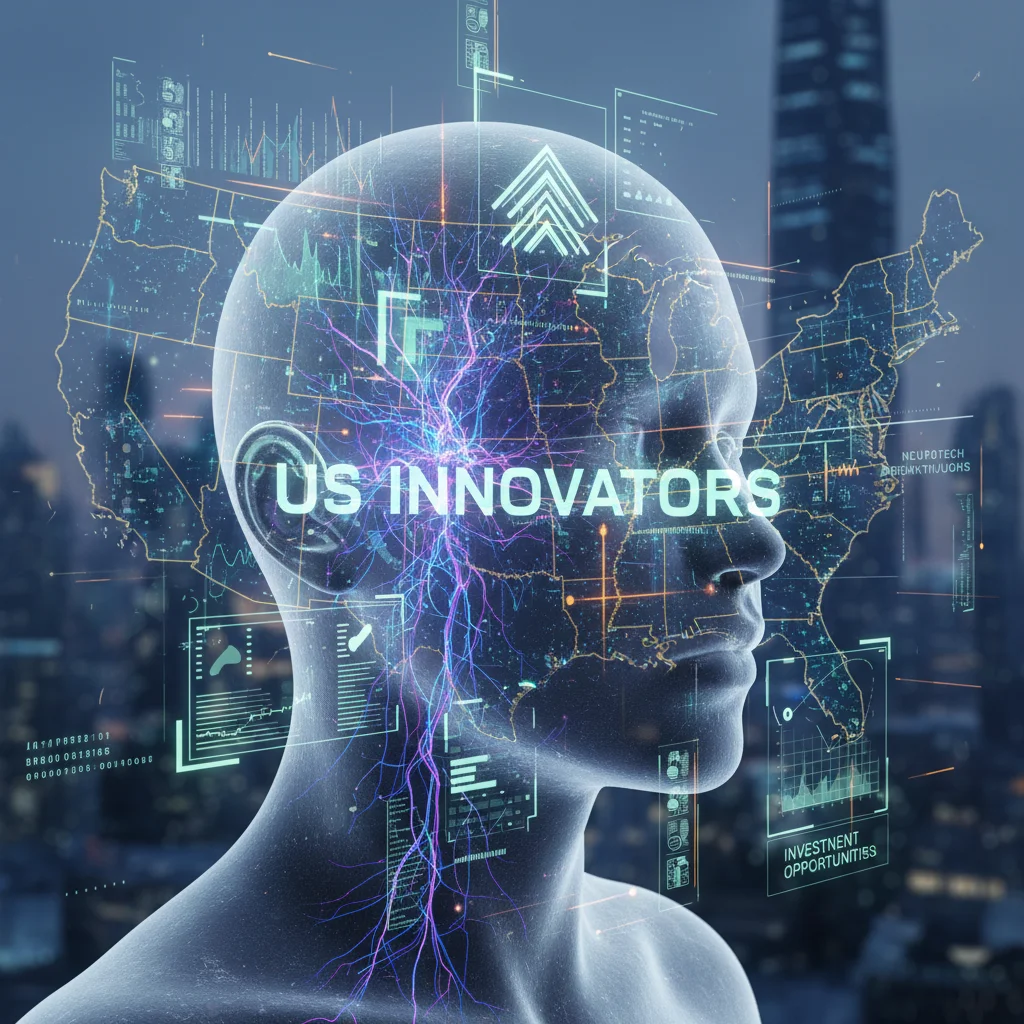
Neurotechnology Breakthroughs: 3 Key Investment Areas for US Innovators in Current Markets
The landscape of medical science and human potential is being dramatically reshaped by neurotechnology. This burgeoning field, which encompasses technologies designed to understand and influence the nervous system, is not merely a scientific curiosity but a powerful economic engine. For US innovators and investors, the current market presents unparalleled opportunities to contribute to and capitalize on groundbreaking advancements. The convergence of artificial intelligence, advanced materials, and deeper understanding of the human brain is accelerating progress at an astonishing rate, making neurotechnology investment US a critical focus for those looking to shape the future.
From restoring lost senses and motor functions to enhancing cognitive abilities and revolutionizing mental healthcare, neurotechnology promises solutions to some of humanity’s most complex challenges. The United States, with its robust research infrastructure, dynamic startup ecosystem, and significant venture capital availability, is at the forefront of this revolution. Identifying the most promising avenues for neurotechnology investment US is key to maximizing impact and returns. This article will delve into three pivotal areas that are ripe for innovation and investment: Brain-Computer Interfaces (BCIs), advanced Neuro-therapeutics, and cutting-edge Neuro-diagnostic Tools.
The Exploding Potential of Neurotechnology: A Global Overview
Before we dive into specific investment areas, it’s crucial to understand the broader context of neurotechnology’s growth. The global neurotechnology market size was valued at approximately $10.5 billion in 2022 and is projected to reach over $35 billion by 2032, exhibiting a compound annual growth rate (CAGR) of over 12%. This explosive growth is driven by several factors, including an aging global population with increasing neurological disorders, rising awareness and diagnosis of mental health conditions, and rapid technological advancements making neurotech solutions more effective and accessible. For US innovators, this burgeoning market represents a fertile ground for developing solutions that can address these global needs, cementing the US’s position as a leader in this transformative field.
Government initiatives, such as the BRAIN Initiative in the US, have also played a significant role in stimulating research and development in neurosciences and neurotechnology. These programs foster interdisciplinary collaboration between neuroscientists, engineers, computer scientists, and clinicians, pushing the boundaries of what’s possible. Furthermore, private sector investment, from venture capitalists to pharmaceutical giants, is pouring into neurotech startups, recognizing the immense long-term potential. This confluence of public and private support creates an ideal environment for strategic neurotechnology investment US.
1. Brain-Computer Interfaces (BCIs): Bridging Minds and Machines
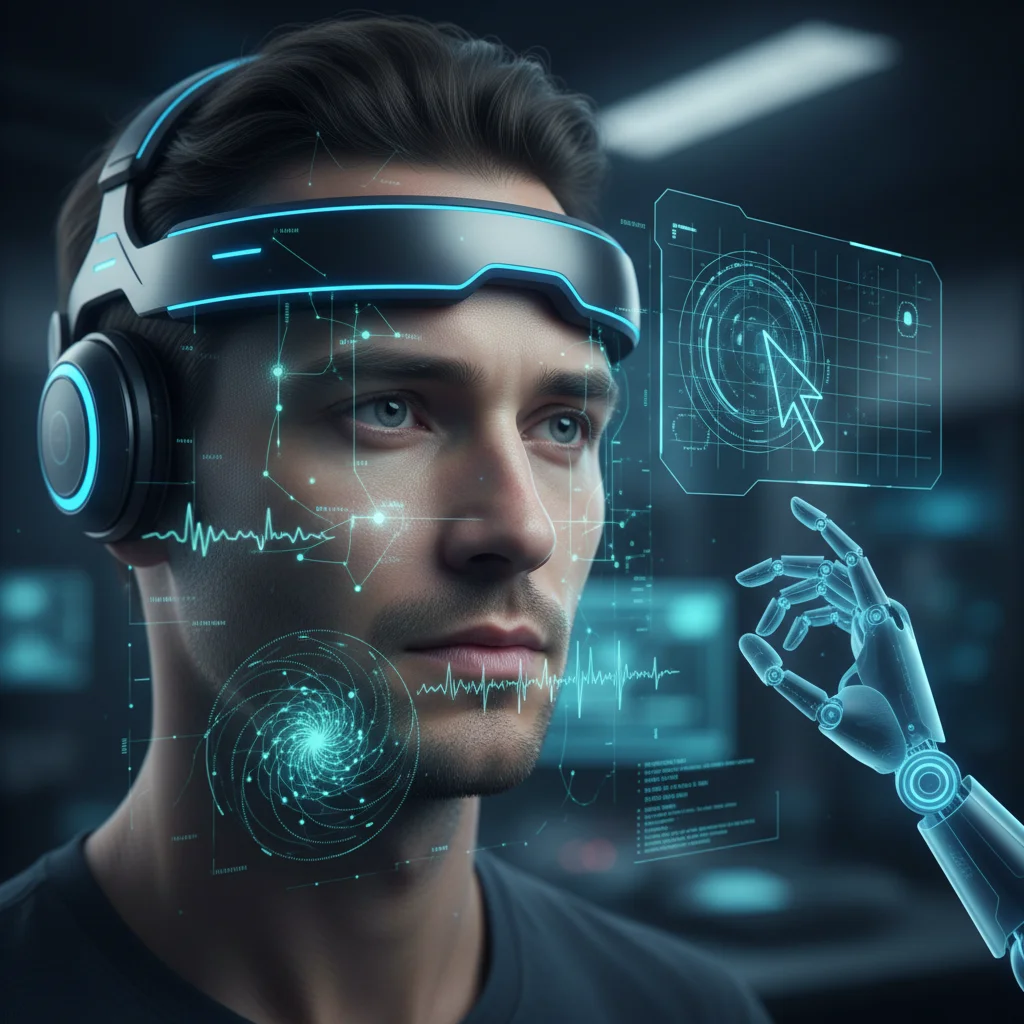
Perhaps the most captivating and futuristic aspect of neurotechnology, Brain-Computer Interfaces (BCIs), are no longer confined to science fiction. BCIs enable direct communication pathways between the brain and an external device, bypassing traditional motor pathways. This technology holds immense promise for individuals with severe neurological conditions, offering new avenues for communication, control of prosthetic limbs, and even restoration of sensory functions. The potential for neurotechnology investment US in this sector is enormous, given the rapid pace of innovation and the profound impact these devices can have on quality of life.
Current State and Breakthroughs in BCIs
BCIs can be broadly categorized into invasive, partially invasive, and non-invasive types. Invasive BCIs, such as those developed by companies like Neuralink, involve surgically implanting electrodes directly into the brain. While highly effective in capturing precise neural signals, they carry risks associated with surgery and long-term biocompatibility. Recent breakthroughs in miniaturization, flexible electrode arrays, and sophisticated signal processing algorithms are making invasive BCIs safer and more powerful. For instance, significant progress has been made in allowing paralyzed individuals to control robotic arms with thought alone, type messages at high speeds, and even experience haptic feedback.
Non-invasive BCIs, which include technologies like EEG (electroencephalography)-based systems, are less precise but offer greater accessibility and safety. These systems are being developed for applications ranging from cognitive training and meditation to controlling smart home devices and gaming. Partially invasive BCIs, such as electrocorticography (ECoG), offer a middle ground, providing better signal quality than non-invasive methods without requiring deep brain penetration. Each of these approaches presents unique opportunities for neurotechnology investment US, catering to different market segments and risk profiles.
Investment Opportunities in BCI
- Hardware Development: Investing in the next generation of electrodes, sensors, and implantable devices that offer higher fidelity, greater longevity, and improved biocompatibility. This includes flexible electronics, optogenetic interfaces, and wireless power solutions.
- Software and AI Algorithms: The raw neural data collected by BCIs is complex. Advanced AI and machine learning algorithms are crucial for decoding brain signals, interpreting user intent, and adapting to individual brain patterns. Investment in companies developing robust, adaptive, and personalized BCI software platforms is highly strategic.
- Clinical Applications: Focusing on BCIs for specific medical conditions, such as restoring communication for locked-in syndrome patients, controlling advanced prosthetics for amputees, or managing seizure disorders. The FDA’s accelerated approval pathways for breakthrough medical devices could also streamline market entry for innovative BCI solutions.
- Consumer Applications: While clinical applications are paramount, the long-term vision for BCIs extends to consumer neuro-enhancement, gaming, and productivity tools. Early investment in non-invasive BCI companies exploring these areas could yield significant returns as the technology matures and public acceptance grows.
- Regulatory and Ethical Frameworks: Investing in companies or initiatives that help navigate the complex regulatory and ethical landscape of BCIs can also be a valuable play, as these frameworks will be crucial for widespread adoption.
2. Neuro-therapeutics: Healing the Brain from Within
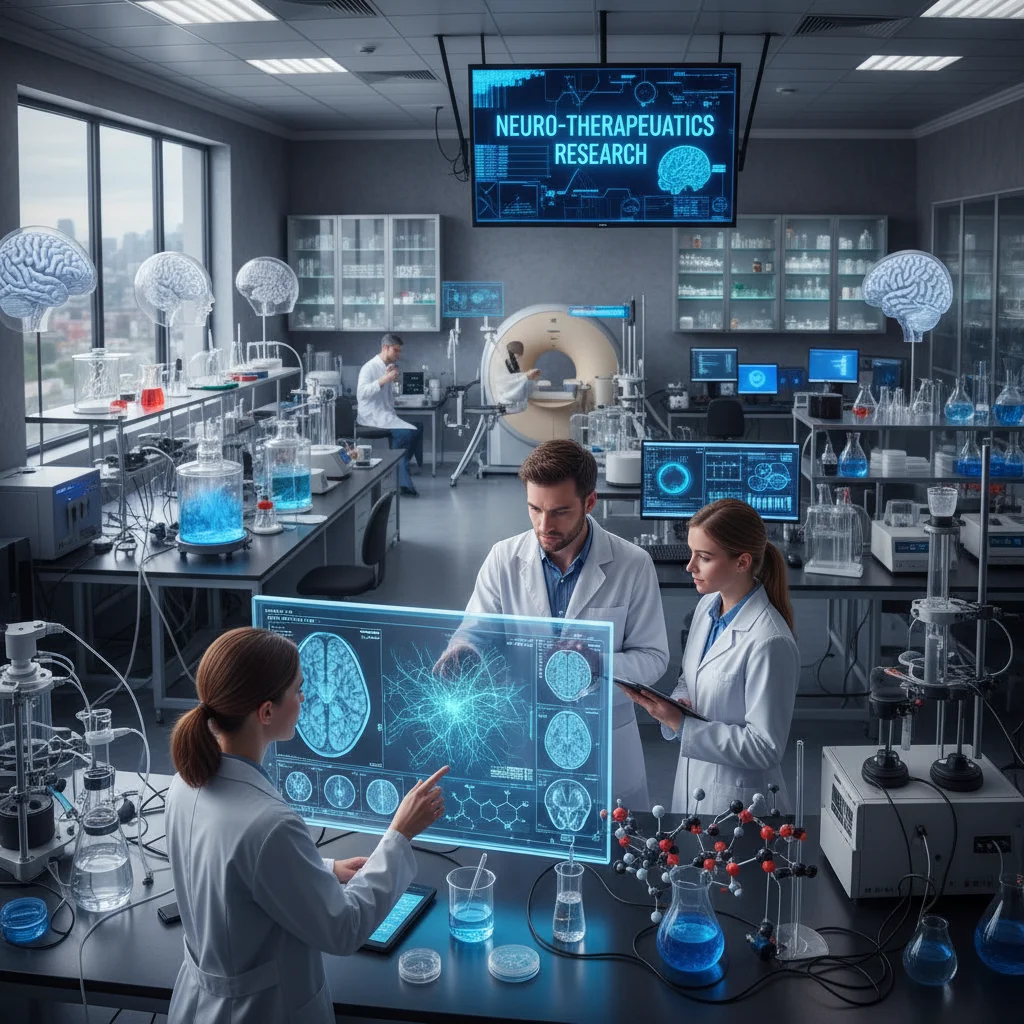
Neuro-therapeutics represent another critical and rapidly evolving area for neurotechnology investment US. This category encompasses a broad range of treatments that directly target neurological and psychiatric disorders by modulating brain activity or function. Unlike traditional pharmacology, which often relies on systemic drug delivery with potential side effects, neuro-therapeutics offer more targeted and often less invasive approaches to treatment. The rising global burden of neurological diseases, including Alzheimer’s, Parkinson’s, epilepsy, depression, and chronic pain, underscores the urgent need for more effective therapies.
Advances in Neuro-therapeutic Modalities
The field of neuro-therapeutics is witnessing a revolution driven by both pharmacological and device-based innovations.
- Advanced Pharmaceuticals: While not strictly ‘neurotechnology’ in the device sense, new drug discovery platforms leveraging AI to identify novel targets and design molecules that can cross the blood-brain barrier more effectively are integral to this ecosystem. Gene therapies and cell therapies for neurological conditions are also gaining traction, offering potential cures rather than just symptom management.
- Neuromodulation Devices: These devices use electrical, magnetic, or ultrasound stimulation to alter neural activity. Deep Brain Stimulation (DBS) is a well-established therapy for Parkinson’s disease and essential tremor, but ongoing innovations are expanding its applications and improving its precision. Transcranial Magnetic Stimulation (TMS) and Transcranial Direct Current Stimulation (tDCS) are non-invasive techniques used for depression, pain management, and cognitive enhancement. Focused Ultrasound (FUS) is emerging as a promising non-invasive tool for targeted drug delivery and lesioning in the brain.
- Optogenetics and Chemogenetics: These cutting-edge techniques involve genetically modifying neurons to make them responsive to light or specific chemical compounds, allowing for extremely precise control over neural circuits. While still largely in the research phase, they hold immense potential for treating complex neurological disorders with unprecedented specificity.
Investment Opportunities in Neuro-therapeutics
- Device Miniaturization and Personalization: Investing in companies developing smaller, more energy-efficient, and customizable neuromodulation devices. Personalized medicine approaches, where treatment parameters are tailored to individual patient needs and brain activity, are a key growth area.
- Combination Therapies: Funding research and development into therapies that combine device-based neuromodulation with pharmaceuticals or gene therapies to achieve synergistic effects.
- Digital Therapeutics for Mental Health: The intersection of neurotechnology and digital health is creating a new category of digital therapeutics, often involving neurofeedback, cognitive behavioral therapy (CBT) delivered via apps, or VR/AR-based interventions for conditions like anxiety, PTSD, and ADHD. This is a significant area for neurotechnology investment US, particularly with the increasing demand for accessible mental healthcare.
- Biomarker Discovery and Validation: Investing in platforms that can identify reliable biomarkers for neurological diseases, which are crucial for early diagnosis, monitoring disease progression, and assessing treatment efficacy.
- Neuro-rehabilitation Technologies: Developing neuro-therapeutics that integrate with rehabilitation protocols for stroke, spinal cord injury, and traumatic brain injury patients. This includes robotic exoskeletons driven by neural signals, functional electrical stimulation (FES) devices, and virtual reality platforms for motor recovery.
3. Neuro-diagnostic Tools: Unveiling the Brain’s Secrets
Accurate and early diagnosis is the cornerstone of effective treatment for neurological and psychiatric disorders. Neuro-diagnostic tools, enhanced by neurotechnology, are becoming increasingly sophisticated, offering unprecedented insights into brain structure, function, and pathology. This area presents substantial opportunities for neurotechnology investment US, as improvements in diagnostic capabilities directly translate to better patient outcomes and more efficient healthcare systems.
Innovations in Neuro-diagnostics
Traditional neuro-diagnostic methods like MRI, CT, and EEG are being augmented and revolutionized by new technologies:
- Advanced Imaging Techniques: Beyond standard MRI, functional MRI (fMRI), Diffusion Tensor Imaging (DTI), and Positron Emission Tomography (PET) are providing more detailed views of brain activity and connectivity. New contrast agents and higher-resolution scanners are continually being developed.
- Wearable Brain Sensors: The development of lightweight, portable, and wireless EEG, MEG (magnetoencephalography), and NIRS (near-infrared spectroscopy) devices is making neuro-monitoring more accessible, both in clinical settings and for remote patient monitoring. These wearables can track brain health, detect early signs of neurological issues, and monitor treatment responses in real-time.
- Liquid Biopsies for Neurological Disorders: Similar to cancer diagnostics, the ability to detect biomarkers for neurological diseases (e.g., amyloid-beta, tau proteins for Alzheimer’s) in blood or cerebrospinal fluid is a game-changer. This non-invasive approach promises earlier diagnosis and monitoring of disease progression.
- AI-Powered Diagnostics: Artificial intelligence and machine learning are transforming the analysis of neuro-imaging data, identifying subtle patterns that human eyes might miss. AI algorithms can assist in early disease detection, differential diagnosis, and even predict disease progression or treatment response.
- Genomic and Proteomic Analysis: Integrating genetic and protein-level data with neuro-imaging and clinical data provides a holistic view of neurological disorders, paving the way for precision medicine approaches in diagnosis and treatment.
Investment Opportunities in Neuro-diagnostic Tools
- AI-Driven Diagnostic Platforms: Investing in companies developing AI algorithms and software platforms that can analyze complex neuro-imaging, EEG, and biomarker data to provide more accurate and earlier diagnoses.
- Next-Generation Wearable Sensors: Funding the development of highly sensitive, comfortable, and discreet wearable neuro-diagnostic devices for long-term monitoring, particularly for conditions like epilepsy, sleep disorders, and concussion.
- Biomarker Assay Development: Supporting companies focused on discovering and commercializing novel biomarkers and robust assay kits for early detection and prognosis of neurological and psychiatric conditions.
- Integrated Diagnostic Suites: Investing in platforms that combine multiple diagnostic modalities (e.g., imaging, EEG, biomarkers, genetic data) into a single, comprehensive system for a more complete understanding of brain health.
- Tele-neurodiagnostics: Solutions that enable remote neuro-diagnostic assessments, particularly relevant for underserved populations and for expanding access to specialized neurological care.
Challenges and Considerations for Neurotechnology Investment US
While the opportunities in neurotechnology investment US are immense, it’s crucial for innovators and investors to be aware of the inherent challenges:
- Regulatory Hurdles: Gaining FDA approval for novel neurotechnologies, especially invasive devices and advanced therapeutics, can be a lengthy and expensive process. Understanding the regulatory landscape and engaging with regulatory bodies early is paramount.
- Ethical Implications: As neurotechnology advances, complex ethical questions arise concerning privacy, data security, personal identity, and equitable access. Innovators must prioritize ethical design and transparency.
- High R&D Costs: Developing neurotechnology often requires significant capital investment in research, clinical trials, and specialized talent.
- Talent Acquisition: The interdisciplinary nature of neurotechnology demands expertise across neuroscience, engineering, AI, and clinical medicine, making talent acquisition a competitive challenge.
- Market Adoption: Even with effective technology, market adoption can be slow due to physician skepticism, patient acceptance, and reimbursement challenges from insurance providers.
- Data Security and Privacy: Brain data is arguably the most sensitive personal information. Robust cybersecurity measures and clear data privacy policies are non-negotiable.
Addressing these challenges proactively through thoughtful business strategies, strong ethical frameworks, and collaborative partnerships will be essential for success in the neurotechnology investment US landscape.
The Future of Neurotechnology in the US
The United States is uniquely positioned to lead the global neurotechnology revolution. Its vibrant ecosystem of academic research institutions, tech giants, venture capital firms, and a culture of innovation provides a fertile ground for breakthroughs. The synergy between government funding, private investment, and a growing public awareness of brain health issues is creating an unprecedented momentum.
Looking ahead, we can expect to see further integration of AI and machine learning into all facets of neurotechnology, from personalized diagnostics to adaptive therapeutic devices. The trend towards non-invasive and minimally invasive solutions will continue, driven by patient preference and safety considerations. Furthermore, the convergence of neurotechnology with other fields like genomics, robotics, and virtual reality will unlock entirely new applications and markets.
For US innovators, focusing on the three key areas discussed – Brain-Computer Interfaces, Neuro-therapeutics, and Neuro-diagnostic Tools – offers the clearest path to significant impact and return. These sectors are not only addressing critical unmet medical needs but are also poised to redefine human capabilities and our understanding of the brain itself. Strategic neurotechnology investment US today will pave the way for a healthier, more capable future.
Conclusion: A Call to Action for US Innovators and Investors
The opportunity in neurotechnology is not just about financial gain; it’s about pioneering solutions that can alleviate suffering, restore function, and unlock new dimensions of human potential. For US innovators, the call to action is clear: lean into the challenges, embrace interdisciplinary collaboration, and relentlessly pursue breakthroughs in BCIs, neuro-therapeutics, and neuro-diagnostics. For investors, the message is equally compelling: strategic neurotechnology investment US offers a chance to be part of a transformative industry, one that promises not only substantial economic growth but also profound societal benefit.
The journey into the brain’s complexities is still in its early stages, but the tools and insights provided by neurotechnology are accelerating our progress. By focusing on these three key investment areas, US innovators and their financial partners can ensure that the nation remains at the vanguard of this exciting and profoundly impactful scientific frontier. The future of brain health and human-machine interaction is being built now, and the US is playing a central role in its construction.