CFPB Digital Lending Rules 2026: Consumer Protection Analysis

The landscape of financial services is in perpetual motion, driven by technological innovation and evolving consumer needs. At the heart of this dynamic environment lies digital lending, a sector that has rapidly reshaped how individuals and businesses access credit. As we look towards 2026, the Consumer Financial Protection Bureau (CFPB) continues its proactive role in ensuring that these advancements do not come at the expense of consumer protection. The anticipated rulemaking around CFPB digital lending rules is poised to be a pivotal moment, setting new standards and expectations for the burgeoning fintech industry.
This comprehensive analysis delves into the forthcoming CFPB digital lending rules, exploring their potential scope, implications for both lenders and consumers, and the broader impact on the financial ecosystem. We will compare current regulatory frameworks with proposed changes, examine areas of heightened scrutiny such as algorithmic bias and data privacy, and discuss the strategic adjustments companies may need to undertake to ensure compliance and maintain consumer trust.
Understanding the CFPB’s Mandate and the Rise of Digital Lending
The CFPB was established in the wake of the 2008 financial crisis with a clear mission: to make markets for consumer financial products and services work for Americans. This includes credit cards, mortgages, and, increasingly, digital lending products. Digital lending encompasses a wide array of services, from online personal loans and installment loans to buy-now-pay-later (BNPL) options and sophisticated algorithmic underwriting platforms. Its rapid growth has democratized access to credit for many, but it has also introduced new complexities and potential risks that traditional regulations were not designed to address.
The speed, scale, and often opaque nature of digital lending operations present unique challenges. Algorithms, while efficient, can inadvertently perpetuate or even amplify existing biases, leading to discriminatory outcomes. The collection and use of vast amounts of consumer data raise significant privacy concerns. Furthermore, the ease with which consumers can obtain credit digitally can sometimes lead to over-indebtedness if not properly managed and regulated. These are precisely the types of issues the CFPB aims to tackle with its upcoming rulemaking.
Key Areas of Focus for 2026 CFPB Digital Lending Rules
While the exact contours of the 2026 CFPB digital lending rules are still taking shape, several key areas are expected to be central to the Bureau’s efforts. These focus areas reflect a proactive approach to mitigating risks and fostering a fair and transparent digital lending environment.
Algorithmic Bias and Fair Lending
One of the most significant concerns in digital lending is the potential for algorithmic bias. Traditional credit scoring models have long been scrutinized for their impact on minority groups and low-income individuals. With the advent of machine learning and artificial intelligence, lending algorithms now incorporate an even wider array of data points, some of which may indirectly correlate with protected characteristics, leading to discriminatory outcomes. The CFPB is keenly aware of this and is expected to introduce rules that mandate greater transparency and accountability in algorithmic underwriting.
Lenders will likely face requirements to regularly audit their algorithms for bias, demonstrate that their models are fair and equitable, and provide clear explanations for credit decisions. This could involve stringent data governance practices, independent model validation, and the development of explainable AI (XAI) tools to shed light on how credit decisions are made. The goal is not to stifle innovation but to ensure that technological progress serves all consumers fairly.
Data Privacy and Security
Digital lending relies heavily on the collection, processing, and storage of sensitive consumer data. From financial histories to browsing habits, the data footprint of digital borrowers is extensive. Ensuring the privacy and security of this information is paramount. The 2026 CFPB digital lending rules are anticipated to strengthen data protection requirements, potentially aligning with or even exceeding existing frameworks like the Gramm-Leach-Bliley Act (GLBA) and state-specific privacy laws.
This could mean stricter guidelines on data collection practices, mandatory data minimization, enhanced consent mechanisms, and robust cybersecurity protocols. Lenders might also be required to provide consumers with greater control over their data, including the right to access, correct, and delete personal information used in lending decisions. The CFPB’s focus here will be on preventing data breaches, misuse of information, and ensuring that consumers’ financial privacy is adequately safeguarded.
Transparency in Pricing and Terms
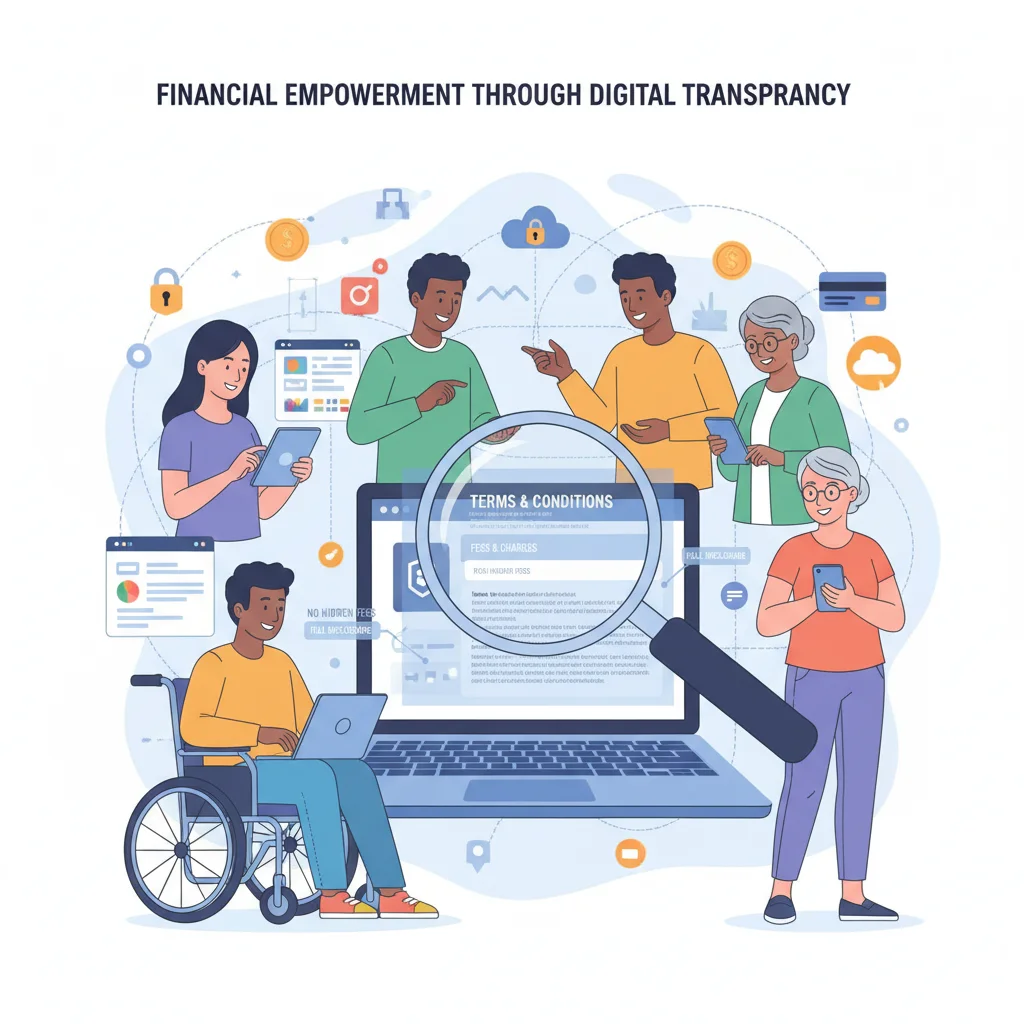
The accessibility of digital lending can sometimes obscure the true cost of credit. Complex fee structures, variable interest rates, and fine print can make it difficult for consumers to compare offers and understand their obligations. The CFPB is expected to push for greater transparency in pricing and terms, ensuring that consumers receive clear, concise, and easily understandable information about their loans.
This could involve standardized disclosure formats, prominent display of Annual Percentage Rates (APRs), clear explanations of all fees, and plain language summaries of loan agreements. Special attention may be given to products like Buy Now, Pay Later (BNPL), where the absence of traditional interest can sometimes mask the potential for late fees or other penalties. The aim is to empower consumers to make informed financial decisions without being caught off guard by hidden costs or unfavorable terms.
Responsible Lending Practices and Ability to Repay
A core principle of consumer protection is responsible lending, which dictates that lenders should only extend credit to borrowers who have a reasonable ability to repay. In the digital realm, where automated processes can dominate, ensuring this principle is upheld is crucial. The 2026 CFPB digital lending rules are likely to reinforce and potentially expand requirements for assessing a borrower’s ability to repay.
This might involve more rigorous verification of income and employment, a holistic assessment of a borrower’s financial situation beyond just credit scores, and safeguards against practices that could lead to cycles of debt. The CFPB may also address issues related to loan stacking, where consumers take out multiple short-term loans from different digital lenders, leading to an unsustainable debt burden. The focus will be on preventing predatory lending practices and promoting sustainable credit access.
Comparison with Existing Regulations and International Standards
The forthcoming CFPB digital lending rules will not emerge in a vacuum. They will build upon existing federal and state regulations while also potentially drawing inspiration from international best practices. Understanding this comparative landscape is essential for anticipating the direction of future regulations.
Current U.S. Regulatory Framework
Currently, digital lenders are subject to a patchwork of federal laws, including the Truth in Lending Act (TILA), the Equal Credit Opportunity Act (ECOA), the Fair Credit Reporting Act (FCRA), and the Electronic Fund Transfer Act (EFTA). State laws also play a significant role, particularly concerning licensing requirements, interest rate caps, and consumer protection statutes. However, these laws, in many cases, predate the widespread adoption of digital lending technologies and may not fully address the unique challenges they pose.
For instance, while ECOA prohibits discrimination, applying its principles to complex algorithms requires specific guidance and enforcement mechanisms. Similarly, FCRA governs credit reporting, but the use of alternative data in underwriting, which falls outside traditional credit bureaus, presents a new frontier for consumer rights and data accuracy. The CFPB’s new rules are expected to bridge these gaps, providing clearer guidance and more robust enforcement tools tailored to the digital age.
Lessons from International Approaches
Globally, regulators are grappling with similar issues related to fintech and digital lending. The European Union’s General Data Protection Regulation (GDPR) sets a high bar for data privacy and consumer rights, including the ‘right to explanation’ for algorithmic decisions, which could influence the CFPB’s approach to algorithmic transparency. Countries like the UK and Australia have also introduced specific regulations for BNPL products, recognizing their distinct risk profiles.
By studying these international models, the CFPB can adopt effective strategies and avoid pitfalls. The goal is not necessarily to replicate foreign regulations but to learn from their experiences and adapt successful approaches to the U.S. market context, ensuring that American consumers benefit from a globally informed regulatory framework.
Impact on Financial Institutions and Fintech Companies
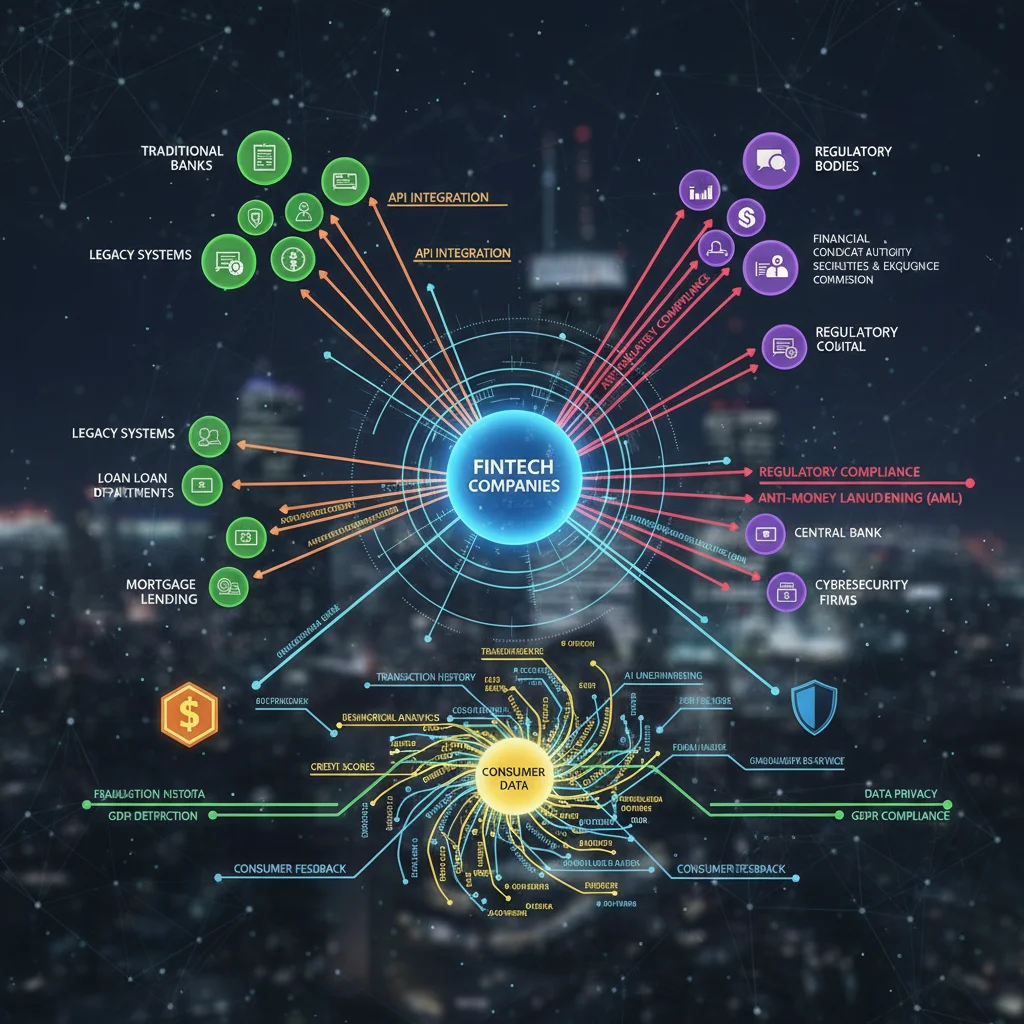
The 2026 CFPB digital lending rules will undoubtedly have a profound impact on both established financial institutions and agile fintech startups. Compliance will require significant investment in technology, processes, and personnel.
Compliance Challenges and Opportunities
For many digital lenders, especially smaller fintechs, the new rules could present substantial compliance challenges. Developing robust algorithmic auditing capabilities, enhancing data security infrastructure, and overhauling disclosure processes will require considerable resources. This could lead to increased operational costs and potentially a consolidation within the industry as smaller players struggle to meet the new standards.
However, these challenges also present opportunities. Companies that proactively embrace and exceed the new compliance requirements can differentiate themselves as trusted providers. Demonstrating a strong commitment to consumer protection, fairness, and transparency can build brand loyalty and attract a broader customer base. Furthermore, the standardization of certain practices could foster a more level playing field, reducing regulatory arbitrage.
Innovation and Adaptation
The CFPB’s rules are not intended to stifle innovation but to guide it towards more responsible and consumer-centric outcomes. Fintech companies will need to innovate not just in product design but also in their approach to compliance. This could lead to the development of new tools for bias detection, privacy-enhancing technologies, and more intuitive disclosure mechanisms. The regulatory push could, in fact, spur a new wave of ‘responsible innovation’ in the digital lending space.
Traditional banks, which are increasingly venturing into digital lending, will also need to adapt. While they often have more robust compliance departments, integrating new digital lending products into existing regulatory frameworks and ensuring consistency across their operations will be a key task. Collaboration between established institutions and fintechs, particularly in areas of compliance technology, could become more prevalent.
Consumer Empowerment and Protection in the Digital Age
Ultimately, the primary objective of the CFPB digital lending rules is to empower and protect consumers in an increasingly complex financial landscape. The rules aim to ensure that the benefits of digital lending—such as speed, convenience, and broader access to credit—are realized without exposing consumers to undue risks.
Enhanced Consumer Rights
Consumers can expect enhanced rights regarding their financial data and the decisions made about them. This includes the right to clear and understandable information, the right to fair treatment regardless of background, and potentially the right to challenge algorithmic decisions that they believe are unfair or inaccurate. These rights are fundamental to building trust in digital financial services.
Financial Inclusion and Equity
While addressing bias, the CFPB’s rules also have the potential to promote financial inclusion more broadly. By requiring algorithms to be fair and transparent, the rules can help ensure that credit is extended based on legitimate risk factors rather than discriminatory proxies. This could open up access to credit for underserved populations who have historically faced barriers with traditional lending models, provided that the algorithms are designed and monitored thoughtfully.
The challenge will be to strike a balance between mitigating risks and fostering innovation that genuinely benefits consumers. The CFPB’s approach will likely emphasize proactive measures, encouraging lenders to build consumer protection into the very design of their digital products and services, rather than treating it as an afterthought.
Strategic Considerations for Businesses in 2026 and Beyond
As the 2026 CFPB digital lending rules draw closer, businesses operating in or entering the digital lending space should begin strategic planning to ensure a smooth transition and maintain a competitive edge. This involves more than just technical compliance; it requires a shift in organizational culture towards prioritizing consumer protection.
Proactive Compliance Audits
Companies should conduct thorough internal audits of their current digital lending practices, comparing them against anticipated regulatory requirements. This includes reviewing data collection and usage, algorithmic models, disclosure processes, and customer complaint handling mechanisms. Identifying potential gaps early allows for a more structured and less reactive approach to compliance.
Investment in Technology and Training
Significant investment will be needed in compliance technology, particularly for algorithmic bias detection and data privacy management. Furthermore, training programs for employees, from product developers to customer service representatives, will be crucial to ensure a deep understanding of the new rules and their practical implications. A well-informed workforce is a key component of effective compliance.
Engagement with Regulatory Bodies
Active engagement with the CFPB and other relevant regulatory bodies can provide valuable insights into the evolving regulatory landscape. Participating in public comment periods, attending industry forums, and seeking clarification on proposed rules can help shape the final regulations and ensure that business perspectives are considered. This collaborative approach can also help companies anticipate future regulatory directions.
Focus on Ethical AI and Consumer-Centric Design
Beyond mere compliance, businesses that adopt an ethical AI framework and prioritize consumer-centric design principles will be better positioned for long-term success. This means building products and services that are inherently fair, transparent, and designed with the consumer’s best interests at heart. Such an approach not only meets regulatory requirements but also fosters trust and loyalty, which are invaluable assets in the digital economy.
Conclusion: Navigating the Future of Digital Lending
The 2026 CFPB digital lending rules represent a critical juncture for the financial services industry. They underscore the Bureau’s unwavering commitment to consumer protection in an era of rapid technological advancement. While the rules will undoubtedly introduce new challenges for lenders, they also offer an opportunity to solidify the foundations of a fair, transparent, and inclusive digital financial ecosystem.
For consumers, these rules promise greater safeguards against unfair practices, enhanced data privacy, and clearer understanding of their financial obligations. For businesses, they necessitate a strategic re-evaluation of operations, a deeper commitment to ethical practices, and a proactive approach to compliance. By embracing these changes, the digital lending sector can continue to innovate responsibly, delivering on its promise of accessible and equitable credit for all.
The journey towards fully realizing the potential of digital lending while upholding robust consumer protections is ongoing. The CFPB’s upcoming rulemaking is a significant step in this journey, shaping the future of online credit for years to come. Staying informed, adapting strategically, and prioritizing the consumer will be key to thriving in this evolving landscape.