AI-Driven Drug Discovery: Biotech Innovation in 18 Months
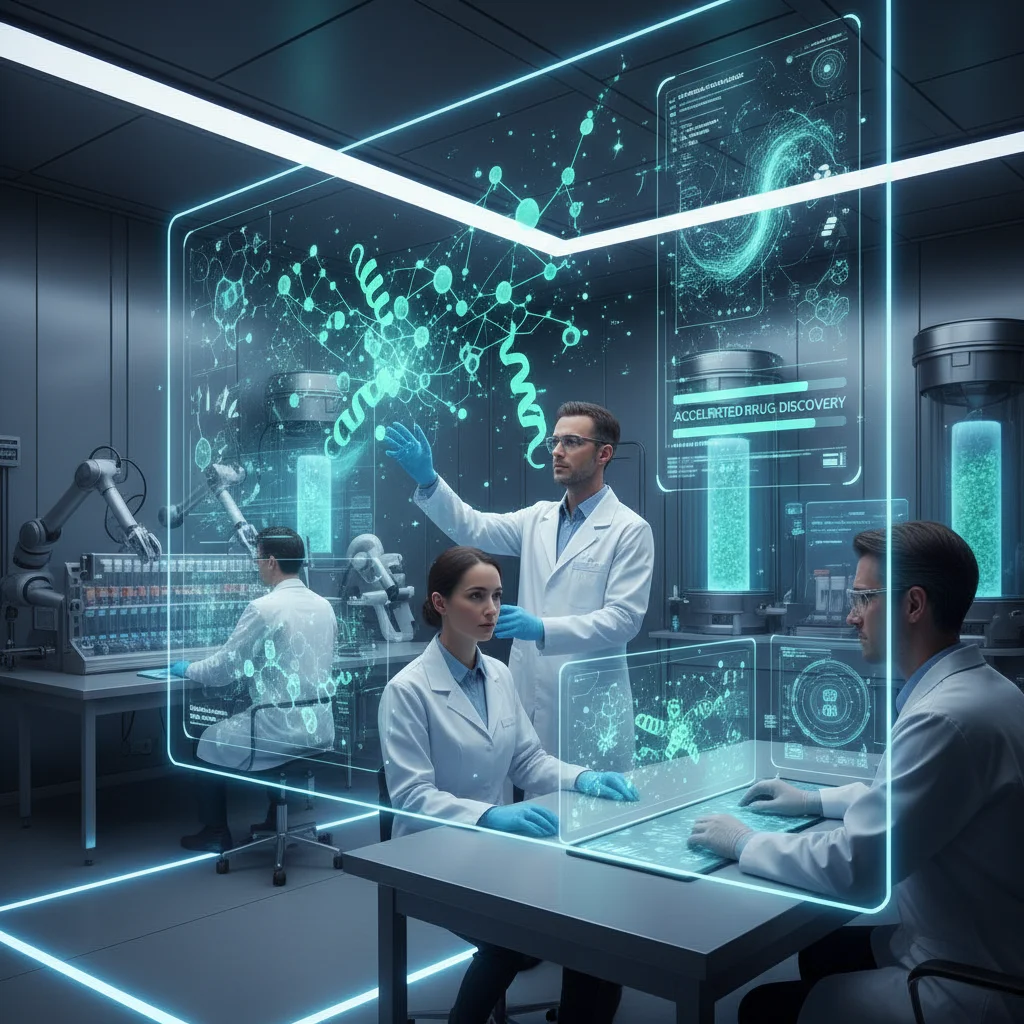
The landscape of pharmaceutical development is undergoing a seismic shift, driven by the relentless march of artificial intelligence. For decades, the journey from a promising molecular concept to a marketable drug has been a protracted, expensive, and often perilous endeavor, frequently stretching over a decade and costing billions. However, the advent of AI Drug Discovery is rewriting this narrative, particularly within the dynamic U.S. biotech sector. This revolutionary approach promises to accelerate the entire process, pushing the boundaries of what’s possible and bringing life-saving therapies to patients at an unprecedented pace. The ambitious goal of achieving commercialization within 18 months, once deemed fantastical, is now becoming a tangible reality for an increasing number of innovative biotech firms leveraging the power of AI.
This article delves into the transformative impact of AI Drug Discovery on U.S. biotech innovation. We will explore the mechanisms through which AI is dramatically shortening development cycles, from initial target identification and lead optimization to preclinical testing and even the initial phases of clinical trials. Furthermore, we will examine the challenges and opportunities inherent in this rapid acceleration, shedding light on the regulatory considerations, ethical implications, and the collaborative ecosystems that are fostering this new era of drug development. The promise of faster, more efficient, and more precise drug discovery is not merely an incremental improvement; it represents a fundamental paradigm shift that could redefine healthcare as we know it.
The Traditional Drug Discovery Bottleneck: A Historical Perspective
To fully appreciate the revolutionary potential of AI Drug Discovery, it’s crucial to understand the inherent complexities and inefficiencies of the traditional drug development pipeline. Historically, drug discovery has been a labor-intensive, trial-and-error process, often likened to searching for a needle in a haystack. The journey typically begins with basic research, identifying disease targets and understanding their biological pathways. This phase is followed by high-throughput screening, where millions of compounds are tested against the target to identify potential hits. These hits then undergo extensive optimization to improve efficacy, safety, and pharmacokinetic properties, transforming them into viable lead compounds.
Preclinical testing, involving in vitro and in vivo studies, assesses the drug’s safety and preliminary efficacy before it can even enter human trials. The clinical trial phase, divided into three distinct stages (Phase I, II, and III), is perhaps the most time-consuming and expensive part of the process, often taking 6-10 years on its own. Each phase requires significant patient recruitment, rigorous data collection, and extensive safety monitoring. Finally, if a drug successfully navigates these hurdles, it faces the lengthy and stringent regulatory approval process before it can reach the market. The cumulative time and financial investment in this traditional model are staggering, with average development costs often exceeding $2.5 billion per successful drug, and success rates notoriously low.
Several factors contribute to these bottlenecks: the sheer complexity of biological systems, the vast chemical space to explore, the unpredictable nature of drug interactions within the human body, and the stringent regulatory requirements designed to ensure patient safety. These challenges have historically limited the pace of innovation, leaving many diseases without effective treatments and increasing the burden on healthcare systems worldwide. The inherent limitations of manual and semi-automated processes meant that even with significant resources, the scope of exploration was bounded by human capacity and experimental throughput. This is precisely where AI Drug Discovery steps in, offering a powerful toolkit to overcome these long-standing obstacles.
How AI is Reshaping Target Identification and Validation
The initial and arguably most critical step in drug discovery is identifying and validating suitable therapeutic targets. This process has traditionally relied on extensive literature reviews, biological experiments, and expert intuition. However, the sheer volume of biological data generated today – from genomics and proteomics to metabolomics and clinical records – far exceeds human analytical capabilities. This is where AI Drug Discovery truly shines, leveraging advanced algorithms to sift through mountains of data and uncover novel insights.
AI, particularly machine learning and deep learning, can analyze complex biological networks, identify disease-associated genes and proteins, and predict their roles in pathological processes with unprecedented accuracy. For instance, AI algorithms can integrate data from various sources, such as gene expression profiles, protein-protein interaction networks, and patient phenotypic data, to pinpoint novel drug targets that might be overlooked by traditional methods. This capability is not just about speed; it’s about identifying more relevant and effective targets, thereby increasing the likelihood of success further down the pipeline.
Furthermore, AI can help validate these targets by predicting their tractability – how likely it is that a drug can be developed to modulate their activity. By analyzing structural information, binding sites, and evolutionary conservation, AI can provide early insights into the feasibility of targeting a particular molecule. This early validation saves significant time and resources by allowing researchers to focus on the most promising avenues, avoiding costly detours down dead ends. The ability of AI Drug Discovery to rapidly identify and validate targets is a cornerstone of the 18-month commercialization ambition, moving from hypothesis to actionable target with remarkable efficiency.
Accelerating Lead Discovery and Optimization with AI
Once a target is identified, the next major hurdle is discovering compounds that can effectively interact with it – the lead discovery phase – and then optimizing these compounds to improve their therapeutic properties while minimizing side effects. This is another area where AI Drug Discovery is making profound contributions, drastically cutting down the time and resources traditionally required.
Virtual Screening: Instead of physically testing millions of compounds in a lab, AI-powered virtual screening can computationally evaluate vast chemical libraries against a target protein. Machine learning models, trained on existing drug-target interaction data, can predict the binding affinity and efficacy of novel compounds with high precision. This allows researchers to quickly narrow down the pool of potential candidates to a manageable number for experimental validation, saving immense time and material costs. Generative AI, in particular, is now capable of designing entirely new molecules from scratch, tailored to specific target properties, rather than just screening existing ones. This moves beyond mere selection to true de novo drug design.
Lead Optimization: Once lead compounds are identified, AI assists in optimizing their properties. This involves improving potency, selectivity, bioavailability, and metabolic stability, while reducing toxicity. AI models can predict how structural modifications to a molecule will impact these properties, guiding chemists in synthesizing compounds with optimal characteristics. For example, deep learning models can predict ADMET (absorption, distribution, metabolism, excretion, and toxicity) properties of drug candidates, allowing for early elimination of compounds likely to fail in later stages. This iterative, AI-guided optimization loop is significantly faster and more efficient than traditional experimental methods, which often involve synthesizing hundreds or thousands of analogues. By leveraging AI Drug Discovery in this phase, biotech companies can rapidly refine their lead candidates, bringing them closer to clinical readiness in a fraction of the time.
AI’s Role in Preclinical Development and Toxicity Prediction
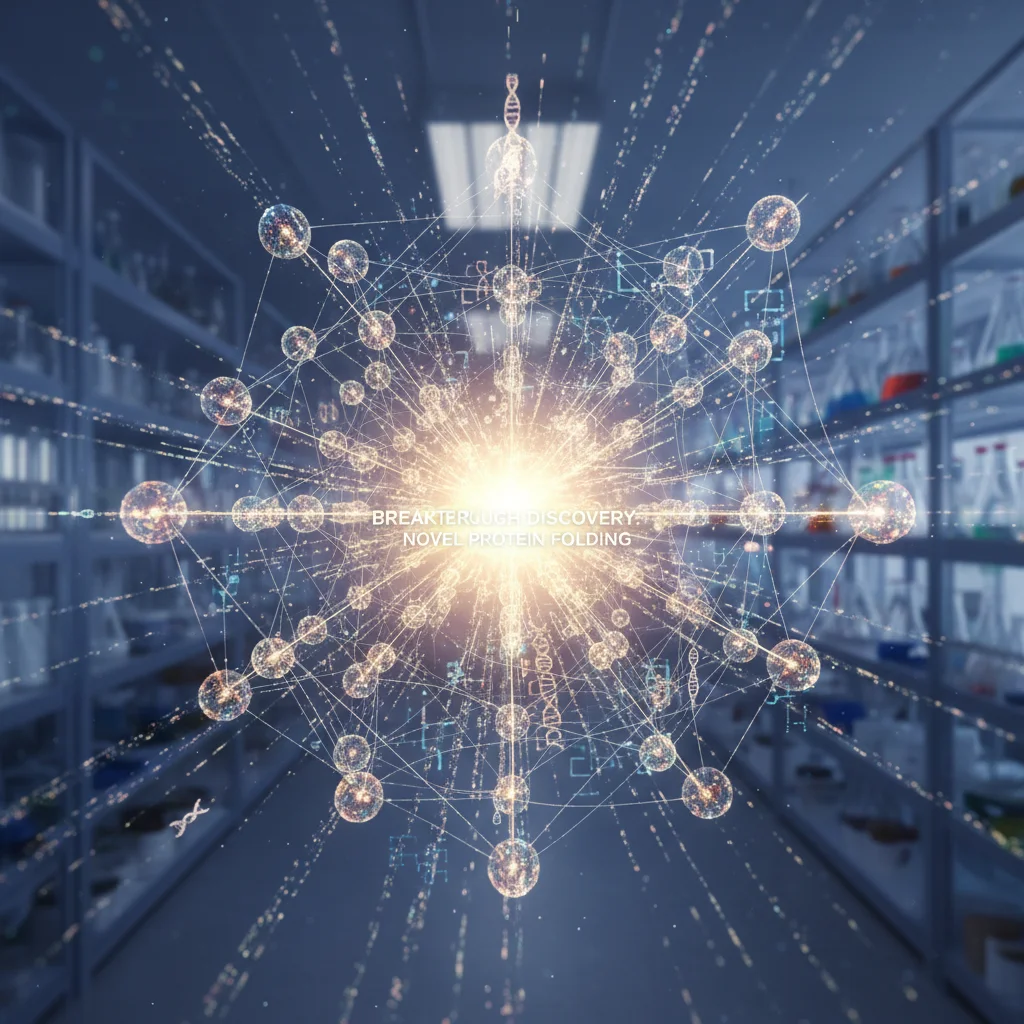
Preclinical development is a critical stage where drug candidates are rigorously tested in laboratory and animal models to assess their safety and preliminary efficacy before human trials. Failures at this stage are common and costly, often due to unforeseen toxicity or lack of efficacy. AI Drug Discovery is proving invaluable in mitigating these risks and accelerating this phase.
Predicting Toxicity: AI models can predict potential toxicities of drug candidates based on their chemical structure and known biological interactions. By analyzing vast datasets of historical toxicity data, AI can identify structural alerts and predict adverse effects on various organ systems. This enables researchers to deselect compounds with high toxicity risks early on, preventing expensive and time-consuming preclinical animal studies that would ultimately fail. This predictive capability is a game-changer, allowing for a more informed selection of candidates that are more likely to pass safety assessments.
Simulating Biological Systems: Advanced AI and computational modeling can simulate complex biological systems, including human physiology, to predict how a drug will behave in the body. This includes predicting drug metabolism, distribution, and potential off-target effects. While not a complete replacement for experimental studies, these simulations can refine experimental designs, reduce the number of animal tests required, and provide deeper insights into a drug’s mechanism of action and potential side effects. The integration of AI Drug Discovery here means that preclinical studies can be more focused, yielding higher quality data and reaching conclusions faster.
The ability to accurately predict safety and efficacy profiles before extensive experimental work significantly de-risks the drug development process. This not only saves time and money but also reduces the ethical concerns associated with animal testing by making such studies more targeted and efficient. For U.S. biotech companies aiming for an 18-month commercialization window, robust AI-driven preclinical evaluation is an indispensable component.
Streamlining Clinical Trials: AI’s Impact on Patient Recruitment and Data Analysis
Even with accelerated discovery and preclinical phases, clinical trials remain the longest and most expensive part of drug development. However, AI Drug Discovery is beginning to make significant inroads into streamlining this critical stage, promising to reduce timelines and improve success rates.
Patient Recruitment and Selection: Identifying and recruiting eligible patients for clinical trials is a notoriously slow and challenging process. AI can analyze electronic health records (EHRs), genomic data, and other patient information to identify suitable candidates more efficiently and accurately. Algorithms can match patients to trials based on complex inclusion/exclusion criteria, accelerating enrollment and ensuring a more homogenous study population, which can lead to clearer trial results. This is particularly crucial for rare diseases where patient populations are small and geographically dispersed. AI can also predict which patients are more likely to adhere to trial protocols, further optimizing trial success.
Real-time Data Monitoring and Analysis: During clinical trials, vast amounts of data are generated, from patient demographics and vital signs to adverse event reports and biomarker measurements. AI can continuously monitor and analyze this data in real-time, identifying trends, flags for safety concerns, and early indicators of efficacy. This allows for quicker decision-making, such as adjusting trial protocols, identifying subgroups that respond better to treatment, or even stopping trials that are unlikely to succeed, thereby saving valuable time and resources. Natural Language Processing (NLP), a subfield of AI, can extract meaningful insights from unstructured data, such as physician notes and patient-reported outcomes, providing a richer understanding of the drug’s impact.
Predictive Modeling for Trial Success: AI can build predictive models to forecast the likelihood of a clinical trial’s success based on preclinical data, trial design, and patient characteristics. These models can help optimize trial design, identify potential risks, and inform strategic decisions, ultimately increasing the probability of regulatory approval. While full clinical trials cannot be entirely replaced by AI, its application in optimizing their execution and analysis is a key factor in achieving the ambitious 18-month commercialization timeframe for AI Drug Discovery initiatives.
Regulatory Landscape and Ethical Considerations in Rapid AI-Driven Development
The rapid acceleration brought about by AI Drug Discovery raises important questions regarding the regulatory landscape and ethical considerations. While speed is desirable, patient safety and data integrity remain paramount. Regulatory bodies like the FDA are actively engaging with the biotech industry to adapt existing frameworks and develop new guidelines for AI-driven drug development.
Evolving Regulatory Frameworks: Regulators are grappling with how to assess and approve drugs developed using AI. Key challenges include the ‘black box’ nature of some AI algorithms, making it difficult to understand how they arrive at their predictions. There’s a growing need for explainable AI (XAI) to provide transparency and build trust. Furthermore, regulators need to define standards for validating AI models, ensuring their reliability and robustness. The FDA has already issued guidance on AI/ML-enabled medical devices and is working on similar frameworks for drug development, emphasizing the importance of data quality, model validation, and continuous learning. For U.S. biotech companies, navigating this evolving regulatory environment is critical to ensure that their accelerated AI-driven drugs meet the highest safety and efficacy standards.
Ethical Implications: The ethical considerations are also significant. Data privacy, especially when using patient data for AI training, is a major concern. Robust anonymization and consent mechanisms are essential. There are also questions around algorithmic bias – if AI models are trained on biased datasets, they could perpetuate or even amplify health disparities. Ensuring fairness and equity in AI-driven drug discovery is crucial. Moreover, the potential for rapid drug development raises questions about the thoroughness of long-term safety studies. While AI accelerates initial development, comprehensive post-market surveillance will become even more important. Addressing these ethical challenges proactively is not just a matter of compliance but also of maintaining public trust in AI Drug Discovery.
Balancing innovation with safety and ethics is a delicate act, but it is one that the U.S. biotech sector, in collaboration with regulators and ethicists, is actively working to achieve. The goal is not just to develop drugs faster, but to develop safer, more effective, and more equitable drugs.
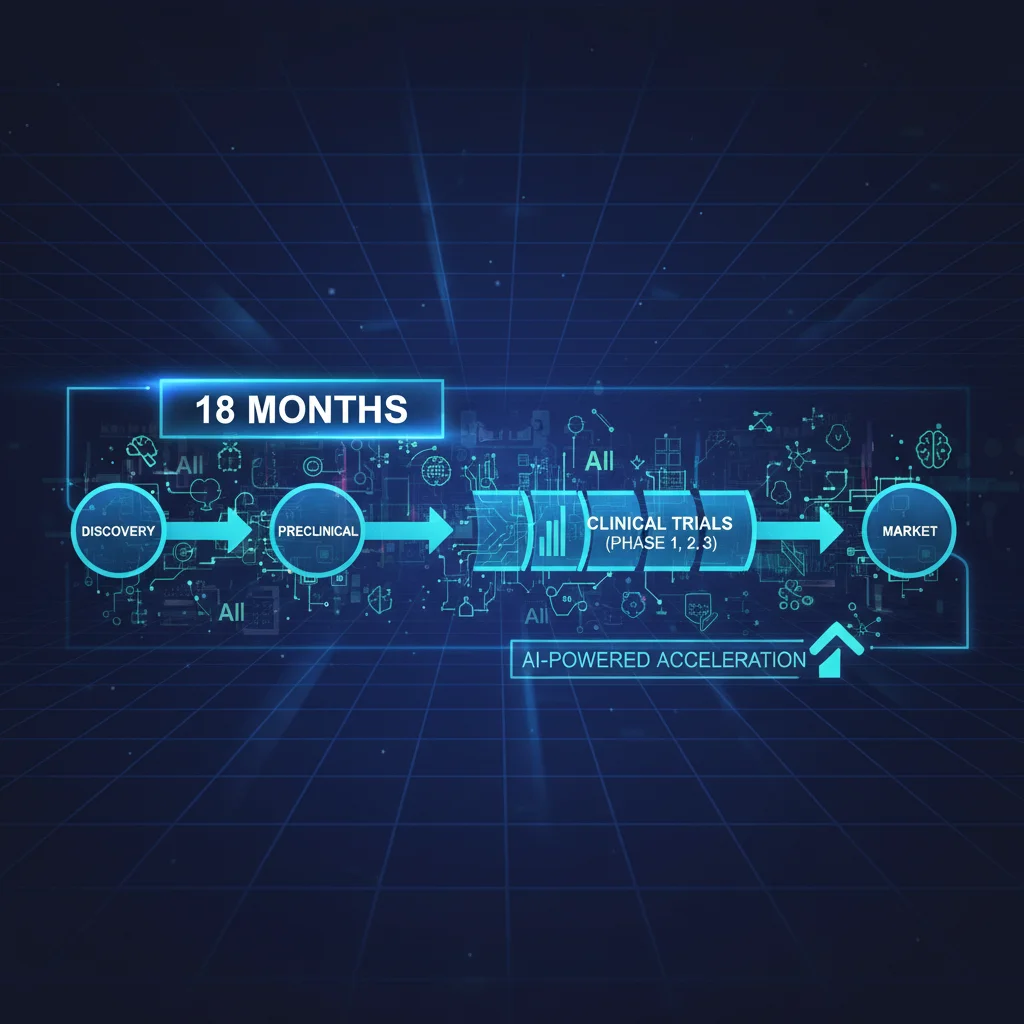
The 18-Month Horizon: Case Studies and Future Prospects
While an 18-month timeline from concept to commercialization for a novel drug remains exceptionally ambitious, particularly for complex new molecular entities, the trajectory set by AI Drug Discovery suggests it is increasingly attainable for certain therapeutic areas and drug modalities. Several pioneering U.S. biotech companies are already demonstrating significant acceleration, offering compelling case studies that underscore this potential.
Early Success Stories: Companies like Recursion Pharmaceuticals, BenevolentAI, and Insilico Medicine are at the forefront, utilizing AI platforms to identify targets, design novel molecules, and predict clinical outcomes. Insilico Medicine, for instance, famously used AI to discover a novel target and design a preclinical candidate for idiopathic pulmonary fibrosis within 18 months, with the drug now in clinical trials. While not yet commercialized, this significant acceleration from discovery to clinical entry highlights the power of AI. Similarly, other biotechs are reporting dramatically shortened lead optimization phases, reducing years of work to mere months. These examples, though still relatively few for full commercialization, paint a clear picture of the future.
Therapeutic Areas Ripe for Acceleration: The 18-month goal is most feasible in areas where there is a strong understanding of disease biology, existing high-quality data for AI training, and clear biomarkers for early efficacy assessment. Oncology, infectious diseases, and rare diseases with well-defined genetic bases are prime candidates. Repurposing existing drugs for new indications, where safety profiles are already established, also offers a faster path to market when guided by AI. Furthermore, the development of biologics and gene therapies, which often have more targeted mechanisms, can also benefit significantly from AI Drug Discovery in terms of design and optimization.
Future Outlook: The future of AI Drug Discovery is bright. Continued advancements in AI algorithms, coupled with the exponential growth of biological and chemical data, will further enhance AI’s predictive power and generative capabilities. The integration of quantum computing with AI could unlock even greater potential for simulating complex molecular interactions. Furthermore, the development of ‘digital twins’ – virtual representations of patients – could revolutionize clinical trials by allowing for in silico testing and personalized medicine approaches. As U.S. biotech continues to embrace and refine these AI-driven strategies, the 18-month commercialization window will become not just an aspiration, but a benchmark for innovation in the pharmaceutical industry, ultimately delivering more effective treatments to patients faster than ever before.
Challenges and the Path Forward for AI in Biotech
While the promise of AI Drug Discovery is immense, its widespread adoption and the consistent achievement of rapid commercialization timelines are not without challenges. Addressing these hurdles will be crucial for the sustained success and expansion of AI’s role in U.S. biotech.
Data Quality and Accessibility: AI models are only as good as the data they are trained on. The pharmaceutical industry is rich in data, but it is often siloed, inconsistent, or of varying quality. Ensuring access to high-quality, standardized, and diverse datasets is paramount. Efforts toward data harmonization, the creation of robust data sharing platforms, and the development of common data standards are essential to unlock AI’s full potential. Furthermore, the ethical and legal implications of sharing sensitive patient data must be carefully managed.
Talent Gap: The interdisciplinary nature of AI Drug Discovery requires professionals with expertise in both computational science and biology/chemistry. There is a significant talent gap in this area, with a shortage of skilled data scientists, machine learning engineers, and computational biologists who also possess a deep understanding of drug development. Investing in education and training programs that bridge these disciplines is vital for building the workforce of the future.
Integration with Existing Workflows: Integrating AI tools and platforms into existing R&D workflows can be complex. It requires significant investment in infrastructure, changes in organizational culture, and effective communication between different scientific teams. Overcoming resistance to change and demonstrating the tangible benefits of AI will be key to fostering widespread adoption.
Validation and Trust: As mentioned in the regulatory section, building trust in AI’s predictions is crucial. This involves rigorous validation of AI models, not just in silico but also through robust experimental and clinical verification. Developing explainable AI (XAI) methods that can articulate the reasoning behind their predictions will be essential for gaining acceptance from scientists, clinicians, and regulatory bodies.
Despite these challenges, the momentum behind AI Drug Discovery is undeniable. Collaborative efforts between academia, industry, and government are fostering an ecosystem conducive to innovation. Strategic partnerships between established pharmaceutical giants and nimble AI-first biotechs are accelerating the learning curve and bringing cutting-edge solutions to market. The path forward involves continuous investment in research and development, fostering a culture of innovation, and proactively addressing the technical, ethical, and regulatory complexities. By doing so, U.S. biotech can solidify its leadership in leveraging AI to revolutionize drug development, making the 18-month commercialization dream a more frequent reality and ultimately transforming patient care.
Conclusion: The Dawn of a New Era in Biotech Innovation
The aspiration of accelerating drug development from concept to commercialization within an ambitious 18-month timeframe is no longer a distant dream but a rapidly approaching reality, largely thanks to the transformative power of AI Drug Discovery. The U.S. biotech sector stands at the vanguard of this revolution, harnessing artificial intelligence to redefine every stage of the drug development pipeline.
From the precise identification of novel therapeutic targets and the efficient optimization of lead compounds to the de-risking of preclinical studies through advanced toxicity prediction and the streamlining of clinical trials via intelligent patient recruitment and data analysis, AI is proving to be an indispensable ally. It is compressing timelines, reducing costs, and significantly improving the probability of success, a feat that traditional methods struggled to achieve for decades.
While challenges remain, particularly in navigating evolving regulatory landscapes, addressing ethical considerations, and bridging the talent gap, the collective efforts of innovators, researchers, and policymakers are steadily paving the way for a new era. This era is characterized by an unprecedented pace of innovation, where life-saving therapies can reach patients faster than ever before. The commitment to AI Drug Discovery is not merely an investment in technology; it is an investment in human health, promising a future where diseases are tackled with greater speed, precision, and efficacy. The journey from concept to commercialization, once a marathon, is now becoming a sprint, powered by the intelligence of machines and the ingenuity of human collaboration.