Augmented Reality Training: Boosting US Workforce Efficacy by 30% by 2026
Augmented Reality Training: Boosting US Workforce Efficacy by 30% by 2026
The landscape of professional development and skill acquisition is undergoing a profound transformation, driven by technological innovations that promise to redefine how we learn and work. Among these, Augmented Reality Training (AR) stands out as a groundbreaking force, poised to dramatically enhance the efficacy of the U.S. workforce. By 2026, experts predict that the integration of AR into training programs could boost workforce efficacy by an impressive 30%, largely through the deployment of immersive simulations and highly practical, real-world applications. This isn’t merely an incremental improvement; it represents a paradigm shift in how businesses prepare their employees for the demands of a rapidly evolving global economy.
The traditional models of training, often characterized by static manuals, classroom lectures, and generic e-learning modules, are increasingly proving insufficient in an era that demands agility, hands-on proficiency, and immediate applicability of skills. Augmented Reality Training offers a compelling solution, bridging the gap between theoretical knowledge and practical execution by overlaying digital information onto the real world. Imagine a technician learning to repair complex machinery with holographic instructions guiding their every move, or a surgeon practicing intricate procedures on a virtual patient that responds realistically to their actions. This level of immersive, context-aware learning is what AR brings to the table, making it an indispensable tool for future workforce development.
This article will delve deep into the transformative potential of Augmented Reality Training, exploring its core mechanisms, the sectors it’s currently revolutionizing, and the strategic advantages it offers to U.S. businesses. We will examine the economic implications of a more efficient and skilled workforce, the challenges associated with widespread AR adoption, and the exciting prospects that lie ahead as this technology matures. The goal is not just to understand AR, but to grasp its pivotal role in shaping a more competent, adaptable, and productive American workforce for the mid-2020s and beyond.
The Genesis of a Revolution: Understanding Augmented Reality Training
At its core, Augmented Reality Training is an innovative approach that enhances real-world environments with computer-generated sensory input, such as sound, video, graphics, or GPS data. Unlike Virtual Reality (VR), which creates an entirely artificial environment, AR overlays digital content onto the user’s view of the real world, allowing for interaction with both physical and virtual elements simultaneously. This fundamental distinction is crucial for understanding its unique benefits in a training context.
The technology behind AR has been evolving for decades, but recent advancements in hardware (lighter, more powerful headsets and smart devices), software development kits (SDKs), and connectivity (5G) have propelled it into the mainstream. Early applications were often seen in gaming and consumer entertainment, but its true potential for enterprise and industrial use is now being fully realized. For training, AR offers several distinct advantages:
- Contextual Learning: Trainers can present information directly within the environment where tasks are performed. This means learning happens in situ, making it highly relevant and immediately applicable.
- Hands-on Experience: AR allows for safe, simulated practice of complex or dangerous procedures without the risks associated with real-world mistakes. This is invaluable in fields like manufacturing, healthcare, and defense.
- Reduced Cognitive Load: By providing step-by-step instructions and visual cues directly in the field of view, AR minimizes the need to consult separate manuals or screens, allowing trainees to focus on the task at hand.
- Personalized Learning Paths: AR platforms can adapt to individual trainee progress, offering customized modules and feedback, leading to more efficient skill acquisition.
- Remote Assistance: Experts can remotely guide on-site workers through complex tasks, seeing what the worker sees and annotating their view with real-time instructions. This democratizes expertise and accelerates problem-solving.
These capabilities collectively make Augmented Reality Training a powerful tool for addressing the skill gaps prevalent in many U.S. industries. From intricate assembly lines to delicate surgical procedures, AR is proving to be a catalyst for faster, more effective, and safer learning experiences. The transition from traditional methods to AR-enhanced learning is not just about adopting new technology; it’s about embracing a more efficient, engaging, and ultimately, more effective way to develop human capital.
Driving Efficiency: How AR is Enhancing Workforce Efficacy
The projected 30% increase in U.S. workforce efficacy by 2026 through Augmented Reality Training is a testament to its multifaceted impact. This enhancement isn’t just about faster learning; it’s about deeper understanding, improved retention, and a significant reduction in errors. Let’s break down the key mechanisms through which AR achieves this remarkable boost:
Accelerated Skill Acquisition and Retention
One of the most significant benefits of Augmented Reality Training is its ability to accelerate the learning curve. Traditional training often requires significant time investment in classrooms before practical application. AR flips this model, allowing trainees to learn by doing, with digital guidance available precisely when and where it’s needed. This hands-on, experiential learning solidifies understanding and dramatically improves skill retention compared to passive learning methods.
For instance, in manufacturing, new employees learning to operate complex machinery can receive real-time overlays of controls, safety protocols, and operational sequences. This reduces the time it takes to become proficient and minimizes the risk of costly mistakes during the initial stages of training. Similarly, in logistics, warehouse workers can be guided through optimal picking routes and item identification using AR glasses, boosting accuracy and speed from day one.
Error Reduction and Safety Enhancement
Mistakes in critical industries can have severe consequences, ranging from financial losses to life-threatening situations. Augmented Reality Training significantly mitigates this risk by providing immediate, step-by-step instructions and warnings. Trainees can practice hazardous procedures in a safe, simulated environment, making errors without real-world repercussions. Once on the job, AR can act as a digital co-pilot, ensuring compliance with procedures and highlighting potential hazards.
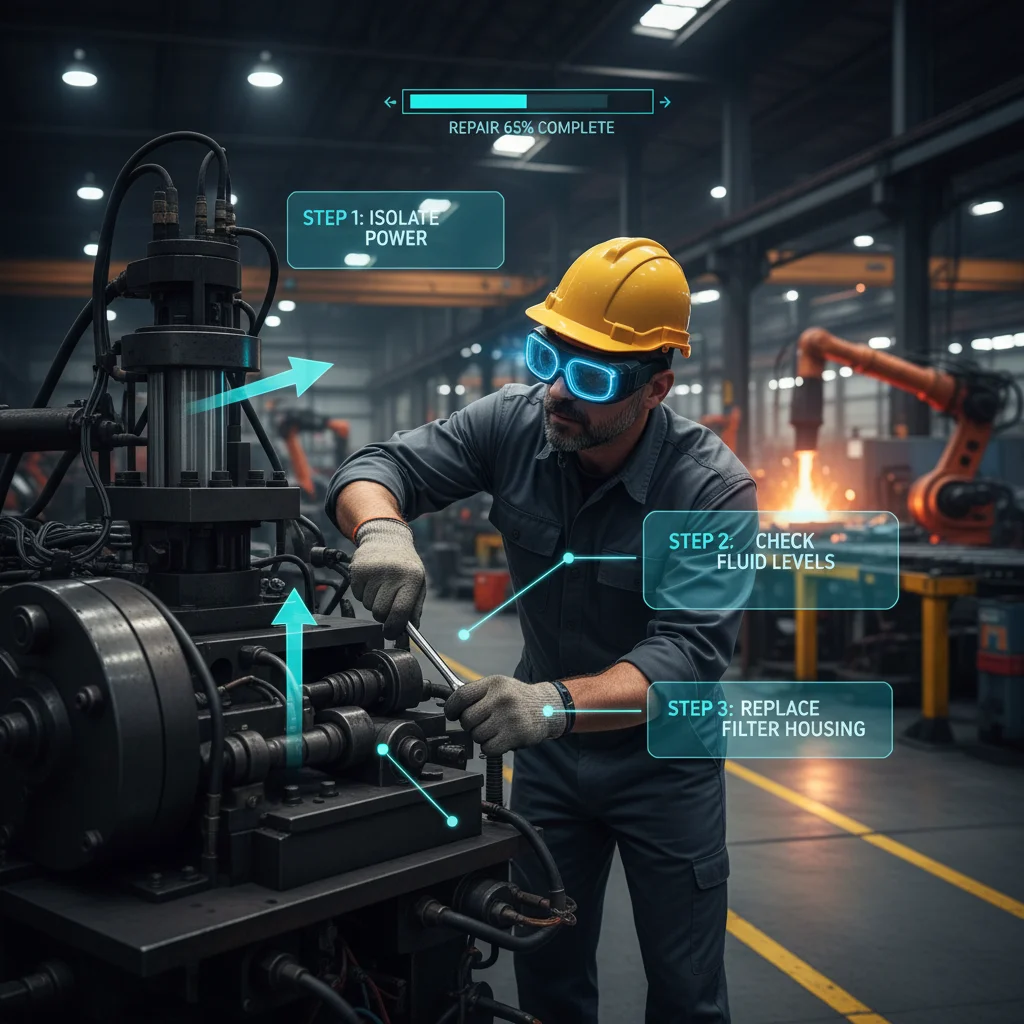
Consider the aerospace industry, where maintenance technicians must follow incredibly precise protocols. AR can overlay schematics and repair instructions directly onto an aircraft component, ensuring every screw is tightened to the correct torque and every wire connected properly. This not only reduces human error but also enhances overall safety for both the workers and the end-users of the equipment.
Cost-Effectiveness and Scalability
While the initial investment in AR technology might seem substantial, the long-term cost benefits are compelling. Augmented Reality Training can reduce the need for physical prototypes, expensive training equipment, and extensive travel for instructors. Once developed, AR modules can be easily scaled and deployed across multiple locations, reaching a wider workforce with consistent quality.
Furthermore, by accelerating skill acquisition and reducing errors, AR minimizes downtime, rework, and waste, leading to significant operational savings. The ability to update training content rapidly and disseminate it instantly ensures that the workforce remains current with the latest procedures and technologies, a critical advantage in fast-paced industries.
Enhanced Engagement and Motivation
The interactive and immersive nature of Augmented Reality Training naturally leads to higher trainee engagement and motivation. Unlike passive learning, AR actively involves the user, turning training into an interactive experience rather than a chore. This increased engagement translates into better focus, higher information retention, and a more positive attitude towards learning and professional development.
Gamification elements can be easily integrated into AR training modules, adding a competitive or challenge-based layer that further boosts motivation. The immediate feedback provided by AR systems also reinforces correct actions and helps trainees quickly correct mistakes, fostering a sense of accomplishment and continuous improvement.
Sector-Specific Impact: Where AR Training Shines
The versatility of Augmented Reality Training means its impact is not confined to a single industry. Across various sectors of the U.S. economy, AR is proving to be a game-changer, addressing unique challenges and unlocking new levels of efficiency and expertise.
Manufacturing and Industrial Operations
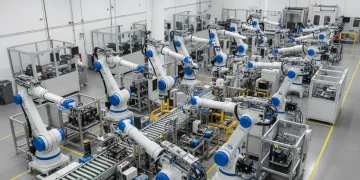
Perhaps no sector stands to gain more from Augmented Reality Training than manufacturing. From complex assembly to maintenance and quality control, AR provides invaluable assistance. Workers can receive visual instructions for intricate assembly steps, identify faulty components with digital annotations, and perform preventative maintenance with guided procedures. This leads to faster production cycles, reduced waste, and a significant decrease in human error.
Companies like Boeing are already experimenting with AR for wiring harness assembly, reporting significant reductions in production time. General Electric has used AR to guide field technicians through complex repairs, improving first-time fix rates and reducing travel costs for expert support.
Healthcare and Medical Training
In the high-stakes environment of healthcare, Augmented Reality Training offers unparalleled opportunities for medical professionals. Surgeons can practice complex operations on virtual anatomical models, nurses can learn to administer medication with precise digital guidance, and paramedics can train on emergency procedures in realistic simulated scenarios. AR can even overlay patient data during actual procedures, providing critical information without diverting attention from the patient.

Medical schools and hospitals are adopting AR to enhance anatomical studies, surgical planning, and clinical skills training. This leads to more confident and competent healthcare providers, ultimately improving patient outcomes and safety. The ability to simulate rare or critical cases repeatedly without risk is a transformative advantage.
Retail and Customer Service
Even in customer-facing roles, Augmented Reality Training is finding its niche. Retail associates can use AR to learn about new product features, visualize store layouts for optimal merchandising, or even assist customers by overlaying product information onto items they are considering. In customer service centers, AR could potentially guide agents through complex troubleshooting steps, improving resolution times and customer satisfaction.
This application focuses on enhancing product knowledge, improving sales techniques, and standardizing customer interaction, leading to a more consistent and positive brand experience.
Logistics and Supply Chain Management
The complexities of modern logistics, involving vast warehouses, intricate sorting systems, and demanding delivery schedules, make it another prime candidate for Augmented Reality Training. AR glasses can direct warehouse workers to specific items, optimize picking routes and provide real-time inventory updates. This reduces errors in order fulfillment, speeds up processing times, and improves overall supply chain efficiency.
Companies like DHL have piloted AR smart glasses for order picking, reporting significant efficiency gains and improved accuracy. The technology helps new hires quickly become productive and reduces the cognitive load on experienced workers, allowing them to focus on more complex tasks.
Challenges and Considerations for Widespread AR Adoption
While the benefits of Augmented Reality Training are clear, its widespread adoption across the U.S. workforce is not without its challenges. Addressing these hurdles will be crucial for realizing the projected 30% efficacy boost by 2026.
Initial Investment and ROI Justification
The cost of AR hardware (headsets, smart glasses) and the development of high-quality AR software can be substantial. For smaller businesses, this initial investment might be a barrier. Demonstrating a clear return on investment (ROI) through improved productivity, reduced errors, and faster training cycles is essential for securing budget allocation.
As the technology matures and economies of scale kick in, hardware costs are expected to decrease, making AR more accessible. However, businesses must still carefully plan their AR strategy to ensure it aligns with their training objectives and delivers measurable results.
Technological Maturity and Integration
While AR has advanced significantly, the technology is still evolving. Issues such as field of view, battery life, processing power, and comfort of AR devices need continuous improvement. Furthermore, integrating AR systems with existing enterprise resource planning (ERP) systems, learning management systems (LMS), and other operational software can be complex.
Ensuring seamless data flow and interoperability will be critical for maximizing the utility of Augmented Reality Training platforms. Standardization efforts within the AR industry will also play a role in simplifying integration.
Content Creation and Expertise
Developing effective AR training content requires specialized skills in 3D modeling, animation, spatial computing, and instructional design. There’s a growing demand for AR developers and content creators who can translate complex training requirements into engaging and functional AR experiences. The availability of skilled personnel to create, maintain, and update AR content will be a key factor in its scalability.
Many businesses may need to invest in training their own teams or partner with specialized AR development firms to overcome this challenge.
User Acceptance and Ergonomics
Introducing new technology to a workforce can sometimes meet with resistance. Issues such as the comfort of wearing AR headsets for extended periods, potential distractions from digital overlays, and concerns about privacy or data security need to be addressed. User-friendly design, intuitive interfaces, and comprehensive change management strategies are vital for ensuring high adoption rates.
Piloting programs and involving end-users in the design process can help identify and mitigate potential ergonomic or usability issues early on, fostering a more positive reception for Augmented Reality Training.
Data Security and Privacy
AR systems often collect data about user interactions, performance, and the physical environment. Ensuring the security and privacy of this data is paramount, especially in sensitive industries like healthcare and defense. Robust cybersecurity measures and clear data governance policies must be in place to protect proprietary information and personal data.
The Future Outlook: Beyond 2026
The projected 30% efficacy boost by 2026 is just the beginning for Augmented Reality Training. As the technology continues to mature, its integration into the U.S. workforce will become even more seamless and pervasive. We can anticipate several key trends shaping its evolution:
Smarter, More Intuitive AR Systems
Future AR devices will be lighter, more comfortable, and boast significantly improved processing power and battery life. Eye-tracking, gesture control, and advanced AI will make interactions more intuitive and natural, reducing the learning curve for using AR tools. This will allow for even more complex and nuanced training scenarios.
Hyper-Personalized Learning Experiences
Leveraging AI and machine learning, Augmented Reality Training platforms will offer highly personalized learning paths, adapting in real time to an individual’s progress, learning style, and even emotional state. This adaptive learning will optimize skill acquisition and ensure that every trainee receives the most effective instruction possible.
Integration with Digital Twins and IoT
The convergence of AR with digital twins (virtual replicas of physical assets) and the Internet of Things (IoT) will unlock unprecedented training capabilities. Trainees will be able to interact with digital twins of machines, buildings, or even entire cities, with real-time data from IoT sensors being overlaid onto the AR view. This will create incredibly realistic and dynamic simulation environments for training in maintenance, operations, and emergency response.
Collaborative AR Training
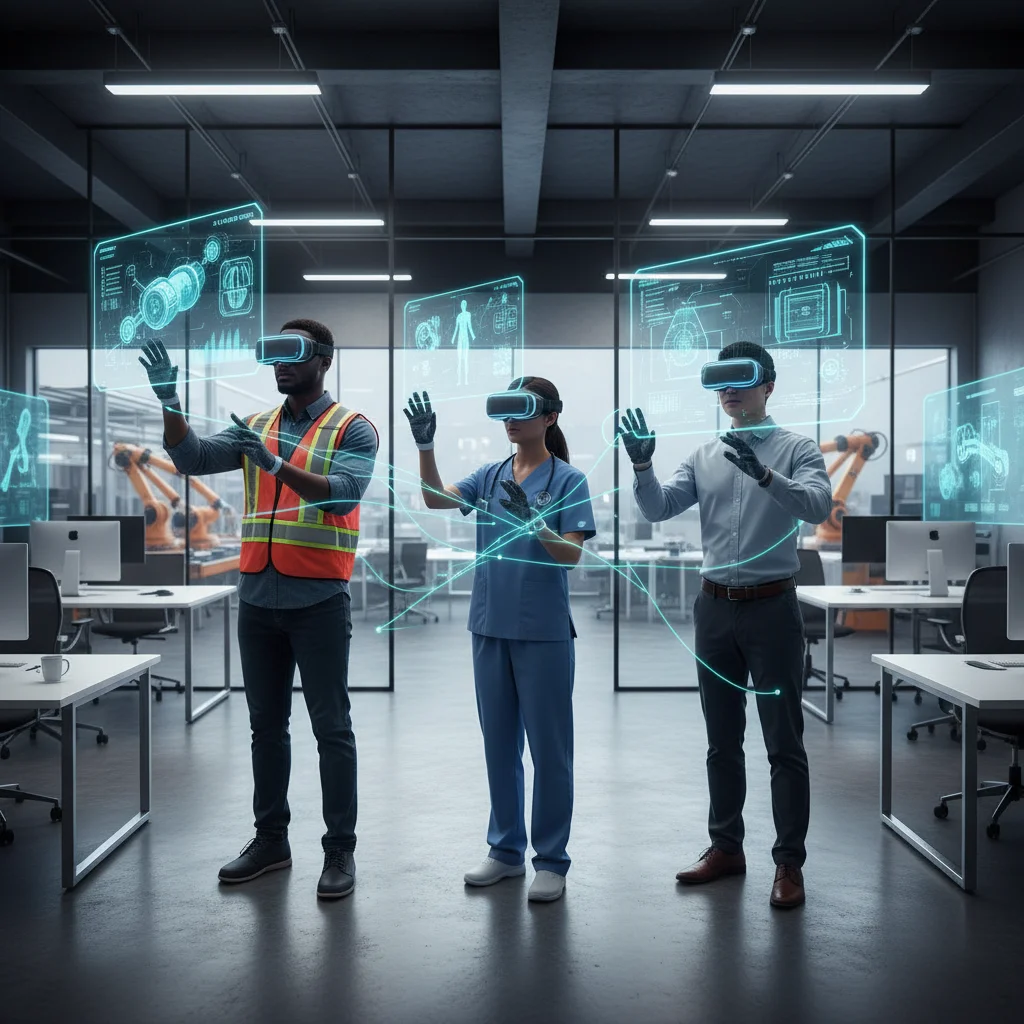
Multi-user AR experiences will become more common, allowing teams to train together in shared virtual environments. This is particularly beneficial for tasks that require coordination and teamwork, such as complex assembly, surgical teams, or tactical operations. Remote collaboration will also be enhanced, enabling experts to train and assist workers across geographical distances in a highly interactive manner.
Democratization of AR Content Creation
As AR development tools become more user-friendly and accessible, more businesses will be able to create their own custom training content without relying heavily on specialized developers. This democratization will accelerate the adoption of Augmented Reality Training across a wider range of industries and company sizes.
Conclusion: A Future Forged in Immersive Learning
The promise of Augmented Reality Training to enhance U.S. workforce efficacy by 30% by 2026 is not merely an optimistic projection; it’s a reflection of the profound capabilities this technology brings to professional development. By offering contextual, hands-on, and error-reducing learning experiences, AR is set to revolutionize how skills are acquired, retained, and applied across critical sectors like manufacturing, healthcare, and logistics.
While challenges related to investment, technological integration, and content creation remain, the trajectory of AR suggests that these hurdles will be overcome as the technology matures and its undeniable benefits become more widely recognized. The future of the American workforce will be characterized by greater adaptability, higher proficiency, and enhanced safety, largely thanks to the immersive power of augmented reality.
Businesses that embrace Augmented Reality Training today will not only gain a competitive edge but also cultivate a more resilient and future-proof workforce, ready to tackle the complexities of tomorrow’s economy. The journey towards a 30% efficacy boost is well underway, promising a transformative era for U.S. workforce training and development.