FTC AI Advertising Guidelines 2026: Compliance & Risk Reduction

In an era where artificial intelligence (AI) is rapidly transforming every facet of business, its application in advertising presents both unprecedented opportunities and significant regulatory challenges. The Federal Trade Commission (FTC) has been closely monitoring this evolution, and its latest guidelines on AI in advertising, with a critical compliance deadline of Q3 2026, are set to redefine how businesses operate in this space. For any organization leveraging AI in their marketing efforts, understanding and adhering to these updated regulations is not merely an option but a strategic imperative to reduce risk and ensure sustained compliance. This comprehensive guide delves into the nuances of the FTC’s position, offering actionable insights for businesses to prepare for the impending changes.
The landscape of digital advertising has been dramatically reshaped by AI, from personalized ad delivery and content generation to audience targeting and performance optimization. While these advancements offer efficiency and effectiveness, they also introduce complex ethical and legal questions, particularly concerning consumer protection, data privacy, and algorithmic bias. The FTC, as the primary consumer protection agency in the United States, is stepping in to provide clarity and establish guardrails, ensuring that innovation does not come at the expense of consumer trust or fair competition. The Q3 2026 deadline underscores the urgency for businesses to proactively review their AI advertising strategies and make necessary adjustments.
Understanding the FTC’s Evolving Stance on FTC AI Advertising
The FTC’s engagement with AI is not new. For several years, the agency has issued warnings and enforcement actions related to deceptive practices, algorithmic bias, and data security. However, the recent guidelines represent a more formalized and comprehensive approach to regulating AI’s role in advertising. The core of the FTC’s concern revolves around transparency, fairness, and accountability. They aim to prevent AI systems from generating misleading claims, perpetuating discriminatory practices, or making decisions that harm consumers without proper disclosure or recourse.
One of the primary areas of focus for the FTC is the potential for AI-driven advertising to create or amplify deceptive claims. AI can generate highly persuasive content, often indistinguishable from human-created material. If this content contains false or unsubstantiated claims, or if it exploits consumer vulnerabilities, it falls squarely within the FTC’s purview of deceptive advertising. Businesses must therefore be able to demonstrate that their AI-generated advertising content is truthful, non-misleading, and adequately substantiated, just as they would for any traditional advertisement.
Another significant concern is algorithmic bias. AI models are trained on data, and if that data reflects existing societal biases, the AI can inadvertently (or even intentionally) perpetuate discrimination in targeting, content delivery, or pricing. The FTC is particularly vigilant about practices that could lead to discriminatory outcomes in areas like housing, employment, credit, or healthcare advertising. Companies utilizing AI for audience segmentation or ad personalization must conduct thorough bias audits and implement mitigation strategies to ensure equitable treatment for all consumers.
The Q3 2026 timeframe signals a period of heightened scrutiny and potential enforcement. This isn’t just about avoiding penalties; it’s about building consumer trust and maintaining a reputation for ethical AI use. Companies that proactively adapt to these guidelines will not only mitigate legal risks but also gain a competitive advantage by demonstrating a commitment to responsible innovation.
Key Pillars of the New FTC AI Advertising Guidelines
While the full detailed guidelines are extensive, several key pillars form the foundation of the FTC’s approach to FTC AI Advertising. Businesses should familiarize themselves with these core principles:
1. Truthfulness and Non-Deception in AI-Generated Content
The fundamental principle of advertising law remains: advertisements must be truthful and not misleading. This applies equally, if not more stringently, to AI-generated content. The FTC expects businesses to have robust mechanisms in place to verify the accuracy and substantiation of any claims made by their AI systems. This includes:
- Content Verification: Implementing human oversight and automated checks to ensure AI-generated text, images, or videos do not contain false claims, misrepresentations, or omissions that could deceive consumers.
- Substantiation Requirements: Ensuring that any objective claims made by AI-driven ads can be backed by competent and reliable scientific evidence or other appropriate substantiation.
- Disclosure of AI Origin: While not a blanket requirement, in certain contexts, failing to disclose that content is AI-generated could be considered deceptive, particularly if it impacts consumer perception or trust (e.g., AI-generated testimonials or endorsements).
2. Preventing Algorithmic Bias and Discrimination
The FTC is deeply concerned about AI systems perpetuating or exacerbating discrimination. Businesses using AI for targeting, segmentation, or personalized offers must be acutely aware of and actively mitigate bias. Key considerations include:
- Bias Audits: Regularly auditing AI models and their training data for potential biases related to protected characteristics (race, gender, age, religion, disability, etc.).
- Fairness Metrics: Implementing and monitoring fairness metrics to ensure that AI-driven advertising outcomes are equitable across different demographic groups.
- Representative Data: Ensuring that training data for AI models is diverse and representative, avoiding skewed datasets that could lead to discriminatory outputs.
- Transparency in Targeting: Being transparent about targeting criteria and avoiding practices that could inadvertently exclude or disadvantage specific groups.
3. Data Privacy and Security
The use of AI in advertising often relies on vast amounts of consumer data. The FTC reiterates its long-standing commitment to data privacy and security, emphasizing that AI systems must handle personal information responsibly. This involves:
- Data Minimization: Collecting only the data necessary for the intended advertising purpose.
- Secure Data Handling: Implementing robust security measures to protect consumer data from breaches and unauthorized access.
- Consent and Transparency: Obtaining appropriate consent for data collection and use, and clearly communicating data practices to consumers.
- Compliance with Existing Laws: Adhering to all applicable data privacy laws, such as the California Consumer Privacy Act (CCPA), the Virginia Consumer Data Protection Act (VCDPA), and potentially federal privacy legislation.
4. Transparency and Explainability
While not always a strict legal requirement, the FTC encourages transparency regarding how AI systems operate, especially when their decisions significantly impact consumers. This can involve:
- Explaining AI Decisions: Where feasible, providing explanations for how AI-driven ads are targeted or why certain content is displayed to a consumer.
- Human Oversight: Ensuring that human review and intervention are possible, especially for critical decisions made by AI in advertising campaigns.
- Clear Disclosures: Clearly disclosing the use of AI in situations where consumers might reasonably expect human interaction or where the AI’s involvement could alter their perception of an offer.
Reducing Risk: A Proactive Approach to FTC AI Advertising Compliance
The Q3 2026 deadline is not far off, and businesses cannot afford to wait. A proactive, multi-faceted approach is essential to navigate the complexities of FTC AI Advertising guidelines and reduce risk effectively.
1. Conduct a Comprehensive AI Advertising Audit
The first step is to gain a clear understanding of your current AI usage in advertising. This involves:
- Inventory All AI Systems: Identify every instance where AI is used in your advertising, from content generation and optimization to targeting and analytics.
- Map Data Flows: Understand what data your AI systems collect, how it’s processed, where it’s stored, and with whom it’s shared.
- Assess Current Practices Against Guidelines: Compare your existing AI advertising practices against the known and anticipated FTC guidelines. Identify areas of non-compliance or high risk.
2. Establish Robust Governance and Oversight
Effective compliance requires clear internal policies and dedicated oversight. This includes:
- Cross-Functional Compliance Team: Form a team comprising legal, marketing, data science, and IT professionals to address AI advertising compliance holistically.
- Develop Internal Policies: Create clear, actionable policies for the ethical and compliant use of AI in advertising, covering data handling, content generation, bias mitigation, and disclosure.
- Assign Accountability: Clearly define roles and responsibilities for AI advertising compliance within your organization.
- Regular Training: Provide ongoing training to all relevant employees on the FTC guidelines and your internal policies.
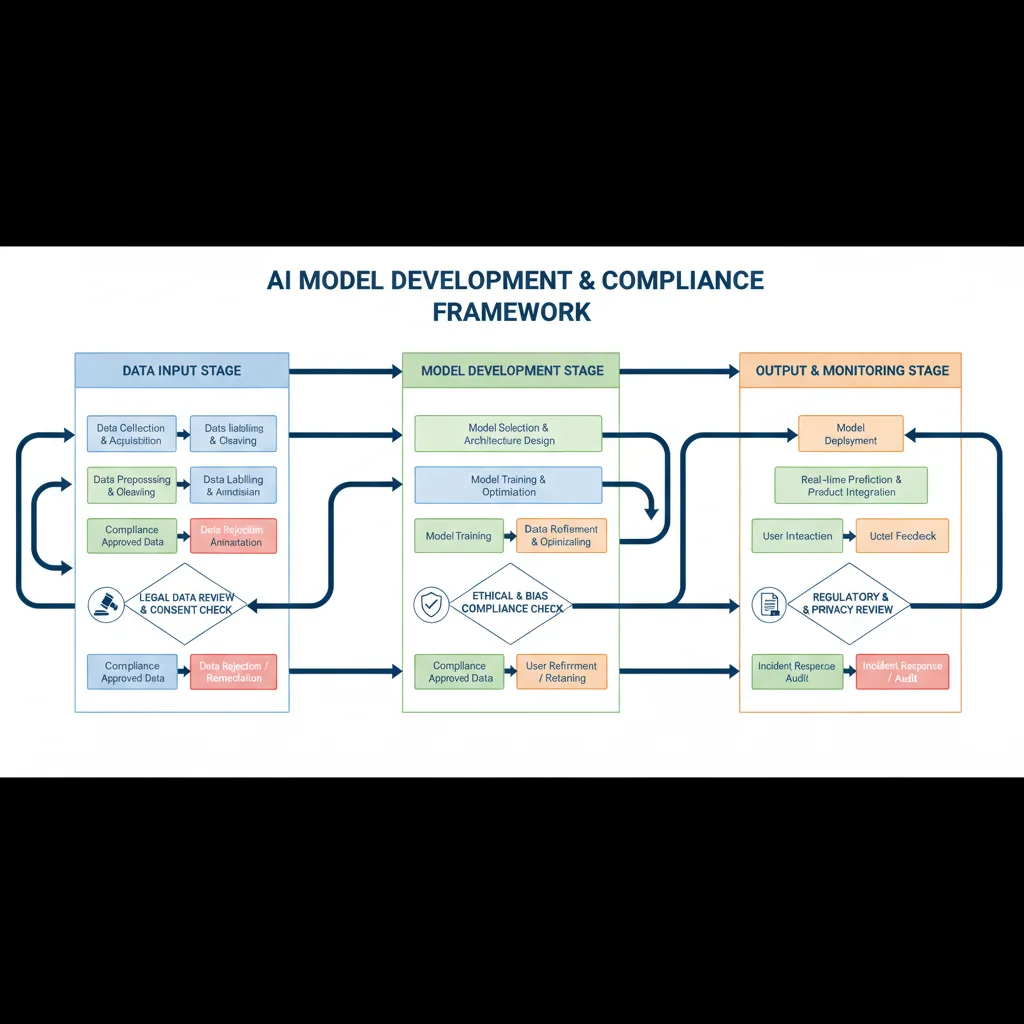
3. Implement Technical Safeguards and Best Practices
Technology plays a crucial role in both enabling AI and ensuring its compliance. Consider:
- Bias Detection and Mitigation Tools: Utilize specialized software to detect and correct algorithmic bias in your AI models.
- Content Moderation and Fact-Checking: Integrate AI-powered content moderation tools alongside human review to ensure the accuracy and non-deceptive nature of AI-generated ad copy and visuals.
- Data Anonymization and Pseudonymization: Employ techniques to protect consumer privacy by reducing the identifiability of data used in AI models.
- Security Enhancements: Strengthen cybersecurity measures to protect AI systems and the data they process from unauthorized access or manipulation.
4. Prioritize Transparency and Consumer Trust
Beyond mere compliance, building consumer trust through transparency is a powerful risk reduction strategy. This involves:
- Clear Disclosures: When appropriate, clearly disclose the use of AI in your advertising, especially if it might influence consumer perception (e.g., ‘AI-assisted content’).
- Easy Opt-Out Mechanisms: Provide consumers with clear and easy ways to opt out of personalized AI-driven advertising.
- Accessible Explanations: Where possible, offer simple explanations of how AI is used in your advertising and how it benefits consumers, without being overly technical.
Ensuring Compliance by Q3 2026: A Strategic Roadmap
The Q3 2026 deadline might seem distant, but the complexity of integrating compliance into AI systems means that preparation must begin now. Here’s a strategic roadmap for ensuring your business is fully compliant:
Phase 1: Assessment and Planning (Now – Q4 2024)
- Deep Dive into Guidelines: Continuously monitor FTC updates and engage legal counsel specializing in AI and advertising law to interpret the guidelines thoroughly.
- Internal Audit & Gap Analysis: Conduct the comprehensive AI advertising audit mentioned above. Identify all gaps between current practices and anticipated FTC requirements.
- Risk Prioritization: Rank identified risks based on potential impact (e.g., financial penalties, reputational damage) and likelihood.
- Resource Allocation: Allocate necessary budget and personnel for compliance initiatives.
Phase 2: Policy Development and System Integration (Q1 2025 – Q2 2026)
- Policy Formulation: Develop or update internal policies, standard operating procedures (SOPs), and ethical guidelines for AI use in advertising.
- Technology Implementation: Integrate necessary technical solutions for bias detection, content verification, data security, and privacy management into your AI advertising platforms.
- Vendor Due Diligence: If using third-party AI advertising tools, conduct thorough due diligence to ensure their compliance capabilities align with FTC requirements. Include compliance clauses in vendor contracts.
- Employee Training Programs: Roll out comprehensive training programs for marketing, legal, data science, and product development teams.
Phase 3: Testing, Review, and Continuous Monitoring (Q3 2026 and Beyond)
- Pre-Compliance Testing: Before the Q3 2026 deadline, conduct internal audits and simulations to test the effectiveness of your compliance frameworks.
- Legal Review: Have all AI advertising campaigns and related processes reviewed by legal experts to ensure full adherence to the guidelines.
- Establish Monitoring Mechanisms: Implement continuous monitoring systems to track AI performance, detect potential biases, and ensure ongoing compliance.
- Regular Updates: The AI and regulatory landscapes are dynamic. Establish a process for regularly reviewing and updating your policies and systems in response to new FTC guidance or technological advancements.

The Broader Implications of FTC AI Advertising Guidelines
The FTC’s focus on AI in advertising extends beyond just the immediate regulatory requirements. It signals a broader shift towards greater accountability for algorithmic decision-making across industries. For businesses, this means:
1. Enhanced Corporate Responsibility
Companies are increasingly expected to demonstrate a commitment to ethical AI. This includes not only legal compliance but also a proactive stance on issues like fairness, transparency, and consumer welfare. A strong ethical AI framework can become a significant brand differentiator.
2. Competitive Advantage for Compliant Innovators
Businesses that embrace these guidelines early and integrate them seamlessly into their AI development and deployment cycles will gain a competitive edge. They will be seen as trustworthy partners by consumers and regulators alike, fostering innovation within a responsible framework.
3. Potential for New Industry Standards
The FTC’s guidelines may catalyze the development of new industry best practices and certifications for AI in advertising, similar to existing standards for data privacy or cybersecurity. Participating in these initiatives can further solidify a company’s commitment to responsible AI.
4. Global Regulatory Alignment
While the FTC’s guidelines are specific to the U.S., they often influence or align with regulatory trends in other jurisdictions (e.g., GDPR in Europe, AI Act in the EU). Companies operating internationally should view these U.S. guidelines as part of a larger global movement towards AI regulation.
Navigating the Future of FTC AI Advertising with Confidence
The integration of AI into advertising is an irreversible trend, offering immense potential for creativity, efficiency, and personalization. However, this power comes with a commensurate responsibility. The FTC’s latest guidelines, with their Q3 2026 compliance deadline, are a clear signal that the era of unregulated AI advertising is drawing to a close. Businesses must now prioritize robust compliance frameworks, ethical AI development, and transparent practices to thrive in this new regulatory environment.
By proactively auditing current AI usage, establishing strong governance, implementing technical safeguards, and fostering a culture of transparency, companies can not only reduce their risk of enforcement actions but also build deeper trust with consumers. The journey to full compliance by Q3 2026 will require significant effort and investment, but the rewards—a reputation for responsible innovation, enhanced consumer loyalty, and sustained growth—are well worth it. Embrace these guidelines not as a burden, but as an opportunity to lead the way in ethical and effective FTC AI advertising.
The future of advertising is intelligent, but it must also be responsible. The FTC’s guidelines provide the necessary framework to ensure that AI serves both business interests and the public good. Start your compliance journey today to secure your place in this evolving landscape.