Post-Quantum Cryptography: Implementing Q3 2026 U.S. Mandates

The dawn of quantum computing presents both unprecedented opportunities and significant threats to our current digital security infrastructure. As quantum computers grow more powerful, they will inevitably render many of today’s widely used cryptographic algorithms vulnerable. This impending reality has spurred governments and organizations worldwide to accelerate the development and adoption of Post-Quantum Cryptography (PQC). In the United States, the urgency is particularly acute, with a looming deadline for federal agencies and, by extension, many private sector partners, to prepare for this cryptographic shift. This comprehensive guide delves into the critical aspects of Post-Quantum Cryptography Implementation, providing a step-by-step roadmap for organizations to navigate this complex transition, with a specific focus on meeting the Q3 2026 mandate in the U.S.
The threat is not theoretical; it is a matter of ‘when,’ not ‘if.’ Experts predict that a sufficiently powerful quantum computer, often referred to as a ‘cryptographically relevant quantum computer’ (CRQC), could break widely used public-key cryptographic schemes like RSA and ECC within the next decade. The National Institute of Standards and Technology (NIST) has been at the forefront of this effort, leading a multi-year standardization process to identify and select quantum-resistant algorithms. This initiative is now moving from theoretical selection to practical implementation, making the Q3 2026 deadline a critical benchmark for all entities operating within the U.S. digital ecosystem.
Understanding the Quantum Threat and the Need for PQC
Before diving into the implementation details, it’s crucial to grasp the fundamental threat posed by quantum computing. Traditional cryptography relies on mathematical problems that are computationally infeasible for classical computers to solve within a reasonable timeframe. For instance, factoring large numbers (RSA) or solving elliptic curve discrete logarithm problems (ECC) form the bedrock of much of our secure communication. Quantum computers, however, leverage principles of quantum mechanics, such as superposition and entanglement, to perform computations in ways classical computers cannot. Algorithms like Shor’s algorithm can efficiently solve these ‘hard’ problems, effectively breaking the security of RSA and ECC.
The implications are far-reaching. Any data encrypted today, if intercepted and stored, could be decrypted by a future quantum computer. This ‘harvest now, decrypt later’ threat means that sensitive information with long-term confidentiality requirements – government secrets, financial records, medical data, intellectual property – is already at risk. Furthermore, quantum computers could compromise digital signatures, leading to widespread authentication failures and undermining trust in digital transactions.
Post-Quantum Cryptography Implementation aims to address this vulnerability by developing new cryptographic algorithms that are resistant to attacks from both classical and quantum computers. These algorithms typically rely on different mathematical problems, such as those found in lattice-based cryptography, code-based cryptography, multivariate polynomial cryptography, and hash-based cryptography, which are believed to be hard even for quantum computers to solve.
The U.S. Mandate: Q3 2026 and Beyond
The U.S. government has recognized the urgency of this transition. In January 2022, the National Security Memorandum (NSM) 8, ‘Promoting United States Leadership in Quantum Computing While Mitigating Risks to National Security,’ directed federal agencies to prepare for the migration to PQC. This was followed by the ‘Quantum Computing Cybersecurity Preparedness Act’ (H.R. 7535), signed into law in December 2022, which further mandates federal agencies to inventory cryptographic systems and develop plans for transitioning to quantum-resistant cryptography. While specific deadlines are evolving, the Q3 2026 timeframe is widely cited as a critical milestone for significant progress in PQC adoption across federal systems, setting a de facto standard for many private sector organizations that interact with federal data or infrastructure.
This mandate is not merely a suggestion; it’s a strategic imperative to safeguard national security, economic stability, and critical infrastructure. For private companies, especially those involved in defense, finance, healthcare, or any sector handling sensitive data, aligning with these federal guidelines is not just about compliance but about maintaining a competitive edge and ensuring long-term data security. Early adoption and strategic Post-Quantum Cryptography Implementation will be key differentiators.
Step-by-Step Guide to Post-Quantum Cryptography Implementation
Phase 1: Discovery and Inventory (Now – Q4 2024)
The first and most crucial step in any cryptographic migration is understanding your current cryptographic landscape. You cannot protect what you don’t know you have. This phase involves a comprehensive audit of all systems, applications, and data that rely on cryptography.
- Identify All Cryptographic Assets: This includes hardware, software, protocols, and data stores that use encryption, digital signatures, or hashing. Think broadly: VPNs, SSL/TLS certificates, code signing, secure boot, encrypted databases, email encryption, identity management systems, IoT devices, and even legacy systems.
- Map Cryptographic Dependencies: For each identified asset, determine which cryptographic algorithms are being used (e.g., RSA, ECC, AES, SHA-256) and how they are being used (e.g., key exchange, authentication, encryption). Identify dependencies between systems and applications.
- Assess Cryptographic Agility: Evaluate how easily each system or application can be updated with new cryptographic algorithms. Some systems may be inherently flexible, supporting cryptographic agility, while others might be hard-coded with specific algorithms, requiring significant re-engineering or replacement.
- Prioritize Assets Based on Risk and Lifespan: Not all cryptographic assets are created equal. Prioritize migration based on the sensitivity of the data they protect, their exposure to external threats, and their expected operational lifespan. Data requiring long-term confidentiality (e.g., 20+ years) should be at the top of your list due to the ‘harvest now, decrypt later’ threat.
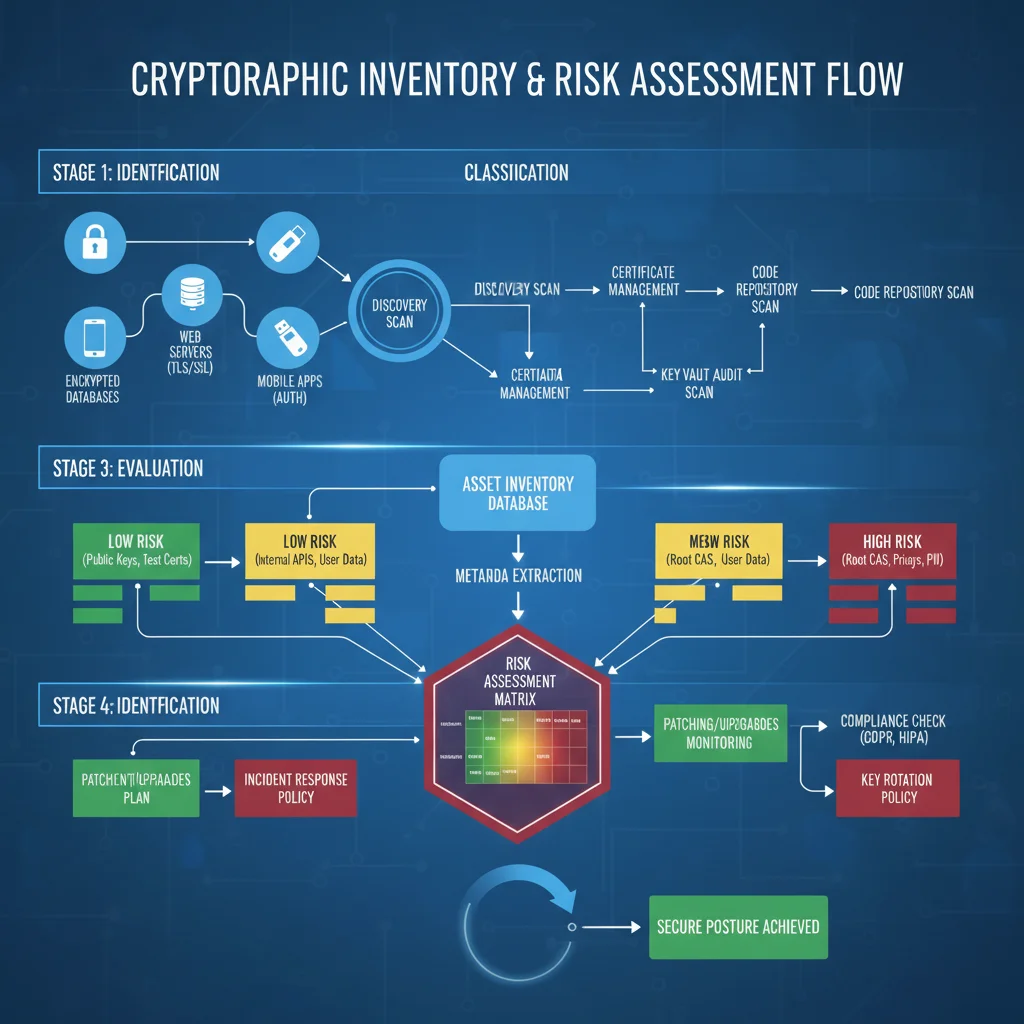
Phase 2: Risk Assessment and Strategy Development (Q1 2025 – Q2 2025)
Once you have a clear picture of your cryptographic landscape, the next step is to assess the specific risks posed by quantum computing and develop a tailored migration strategy.
- Evaluate Quantum Exposure: For each prioritized asset, determine its exposure to quantum attacks. Consider the type of cryptographic algorithm used, the key lengths, and the confidentiality/integrity requirements of the data protected.
- Monitor NIST Standardization: Stay abreast of NIST’s PQC standardization process. NIST has already announced the first set of standardized algorithms (e.g., CRYSTALS-Kyber for key encapsulation, CRYSTALS-Dilithium for digital signatures) and is continuing to evaluate others. Your strategy should align with these standards to ensure interoperability and long-term security.
- Develop a Migration Roadmap: Based on your inventory, risk assessment, and NIST guidance, create a detailed roadmap for Post-Quantum Cryptography Implementation. This roadmap should include:
- Algorithm Selection: Choose appropriate PQC algorithms for different use cases (e.g., key exchange, digital signatures). Consider performance, security guarantees, and ecosystem support.
- Hybrid Mode Strategy: Initially, many organizations will adopt a ‘hybrid mode’ or ‘crypto-agility’ approach, running both classical and PQC algorithms concurrently. This provides a fallback in case PQC algorithms are found to have weaknesses or to ease the transition.
- Phased Rollout Plan: Outline a phased approach for migrating different systems and applications, starting with the highest-priority assets.
- Resource Allocation: Identify the necessary budget, personnel, and technological resources required for the migration.
- Stakeholder Engagement: Involve all relevant stakeholders, including IT, security, legal, compliance, and business unit leaders, in the strategy development process. This ensures buy-in and facilitates a smoother transition.
Phase 3: Pilot Programs and Testing (Q3 2025 – Q4 2025)
Before a full-scale deployment, it’s essential to conduct pilot programs and rigorous testing to identify and address potential issues.
- Implement Pilot Projects: Select a few non-critical but representative systems or applications for initial PQC implementation. This allows you to gain practical experience without risking core operations.
- Performance Testing: PQC algorithms often have larger key sizes and may introduce performance overhead compared to classical algorithms. Test the impact on system performance, latency, and resource utilization.
- Interoperability Testing: Ensure that your PQC implementations are interoperable with other systems and adhere to evolving standards. This is particularly critical for supply chain security and external communications.
- Security Audits and Vulnerability Testing: Conduct thorough security audits and penetration testing of your PQC-enabled systems to identify any new vulnerabilities introduced during the migration.
- Documentation and Training: Document all changes, procedures, and configurations. Provide comprehensive training to your IT and security teams on the new PQC algorithms and their management.
Phase 4: Full-Scale Deployment and Continuous Monitoring (Q1 2026 – Beyond)
With successful pilot programs, you can proceed with a broader rollout of Post-Quantum Cryptography Implementation across your organization.
- Phased Rollout: Execute the full-scale deployment according to your phased roadmap. Start with less critical systems and gradually move to core infrastructure.
- Supply Chain Integration: Collaborate with your vendors and supply chain partners to ensure their systems are also transitioning to PQC. Your security is only as strong as your weakest link. This may involve updating contracts, establishing new security requirements, and joint testing.
- Update Cryptographic Policies: Revise your organization’s cryptographic policies and standards to reflect the adoption of PQC algorithms and best practices.
- Continuous Monitoring and Management: PQC is not a one-time fix. The cryptographic landscape will continue to evolve. Establish processes for continuous monitoring of PQC algorithm performance, security updates, and potential new threats. Implement robust key management practices for PQC keys.
- Incident Response Planning: Update your incident response plans to address potential PQC-related security incidents, including the compromise of PQC keys or algorithms.

Key Challenges in Post-Quantum Cryptography Implementation
While the path to PQC is clear, it is not without its hurdles. Organizations must be prepared to address several significant challenges:
- Complexity of Migration: The sheer scale and complexity of identifying, assessing, and migrating all cryptographic instances across an enterprise can be daunting, especially for large, distributed organizations with legacy systems.
- Resource Constraints: PQC migration requires significant investments in time, expertise, and financial resources. Many organizations may lack the in-house cryptographic expertise to manage this transition effectively.
- Performance Overhead: Some PQC algorithms may have larger key sizes, larger signature sizes, or higher computational demands compared to their classical counterparts. This can impact network bandwidth, storage requirements, and processing power, necessitating infrastructure upgrades or optimization.
- Standardization and Interoperability: While NIST has made significant progress, the PQC landscape is still evolving. Ensuring interoperability with various systems and staying aligned with changing standards can be challenging.
- Supply Chain Vulnerabilities: Many organizations rely on third-party software and hardware. Ensuring that vendors are also PQC-ready and integrating their solutions into your PQC roadmap adds another layer of complexity.
- Talent Gap: There is a shortage of cybersecurity professionals with expertise in advanced cryptography and quantum computing. This talent gap can hinder effective PQC implementation.
Best Practices for a Successful PQC Migration
To overcome these challenges and ensure a smooth transition, consider the following best practices:
- Start Early: The Q3 2026 deadline is closer than it seems. Procrastination will only exacerbate the challenges. Begin your discovery and inventory phase immediately.
- Adopt a Crypto-Agile Architecture: Design your systems to be cryptographically agile, meaning they can easily switch between different cryptographic algorithms without major architectural changes. This flexibility is crucial for adapting to evolving PQC standards and future cryptographic advancements.
- Prioritize and Phased Approach: Don’t try to migrate everything at once. Prioritize critical assets and implement a phased rollout to manage complexity and risk.
- Leverage Automation: Utilize tools and automation where possible to streamline the inventory, assessment, and migration processes.
- Invest in Training and Expertise: Upskill your existing security teams or bring in external cryptographic experts to guide your PQC migration.
- Collaborate with Vendors and Partners: Engage with your technology providers and supply chain partners early to understand their PQC roadmaps and ensure alignment.
- Stay Informed: Continuously monitor developments from NIST, ENISA, and other leading cryptographic bodies. The PQC landscape is dynamic, and staying updated is vital.
- Embrace Hybrid Solutions: Initially deploying hybrid cryptographic schemes (combining classical and PQC algorithms) offers a robust interim solution, providing security against both classical and potential quantum attacks while the PQC ecosystem matures.
- Focus on Data Classification: A clear understanding of data classification and retention policies will help prioritize which data needs quantum-safe protection most urgently.
The Future of Security: Beyond Q3 2026
The Q3 2026 deadline is not the finish line for Post-Quantum Cryptography Implementation; rather, it marks a significant milestone in an ongoing journey. The transition to PQC is a foundational shift that will reshape the cybersecurity landscape for decades to come. As quantum computing technology advances, so too will the need for continuous vigilance and adaptation in our cryptographic defenses.
Beyond simply implementing new algorithms, organizations will need to foster a culture of cryptographic hygiene, regularly reviewing and updating their security postures. This includes:
- Regular Cryptographic Audits: Periodically re-evaluate your cryptographic inventory and usage to ensure compliance with the latest standards and best practices.
- Key Management Evolution: Develop advanced key management systems capable of handling the larger key sizes and potentially different key lifecycle requirements of PQC algorithms.
- Threat Intelligence: Stay informed about the latest research in quantum computing and quantum cryptanalysis to anticipate future threats.
- Collaboration and Information Sharing: Participate in industry forums and collaborate with peers to share insights and best practices in PQC adoption.
Conclusion
The imperative to implement Post-Quantum Cryptography is undeniable, driven by the imminent threat of quantum computers and the clear mandates from the U.S. government. The Q3 2026 deadline serves as a powerful call to action for federal agencies and their private sector partners to embark on this critical migration. By following a structured, phased approach – from discovery and risk assessment to pilot programs and full-scale deployment – organizations can effectively navigate the complexities of this transition.
While challenges exist, proactive planning, strategic investment, and a commitment to cryptographic agility will enable a successful Post-Quantum Cryptography Implementation. This journey is not just about replacing algorithms; it’s about building a resilient, quantum-safe digital future that can withstand the cryptographic challenges of tomorrow. The time to act is now to secure your digital assets against the quantum threat and ensure long-term trust in our interconnected world.