Maximizing Retirement Income in 2026: 3 Advanced Investment Strategies Beyond 401(k)s

Retirement planning has evolved significantly, and relying solely on traditional 401(k)s might no longer be sufficient to secure the lifestyle many envision. As we look towards 2026 and beyond, a more sophisticated approach to generating and maximizing retirement income is becoming imperative. This article delves into three advanced retirement strategies that go beyond the conventional, offering pathways to enhance your financial security and achieve your post-career goals. We’ll explore how annuities, real estate investments, and alternative assets can play pivotal roles in building a robust and resilient retirement portfolio.
Maximizing Retirement Income in 2026: 3 Advanced Investment Strategies Beyond 401(k)s
The landscape of retirement planning is continuously shifting. Economic uncertainties, fluctuating market conditions, and increased longevity mean that individuals need to be more proactive and creative in their approach to securing a comfortable retirement. While 401(k)s and IRAs remain foundational components of most retirement plans, they often represent only a fraction of the strategies available for truly maximizing retirement income. For those looking to elevate their financial standing in retirement, exploring advanced retirement strategies is crucial. This comprehensive guide will illuminate three powerful avenues: annuities, strategic real estate investments, and a carefully curated selection of alternative assets, all designed to bolster your financial future in 2026 and beyond. Understanding and integrating these advanced retirement strategies can provide greater income stability, growth potential, and diversification.
The Evolving Need for Advanced Retirement Strategies
For decades, the standard advice for retirement planning revolved around contributing consistently to employer-sponsored plans like the 401(k) and personal IRAs. While these vehicles are undoubtedly important, they often fall short in addressing the full spectrum of financial needs and aspirations in retirement. The average lifespan has increased, meaning retirement savings need to stretch further. Healthcare costs continue to rise, and inflation erodes purchasing power over time. These factors necessitate a more dynamic and diversified approach to retirement income generation. This is where advanced retirement strategies come into play, offering sophisticated tools to build wealth, protect assets, and create sustainable income streams.
Moreover, the investment world itself has become more complex and accessible. Digital platforms and specialized financial products mean that individual investors, with the right guidance, can tap into opportunities once reserved for institutional players. By embracing these advanced retirement strategies, individuals can move beyond the conventional and forge a truly personalized and robust retirement plan. Our focus will be on actionable insights for 2026, providing a forward-looking perspective on how to best position yourself for financial success.
Strategy 1: Harnessing the Power of Annuities for Guaranteed Income
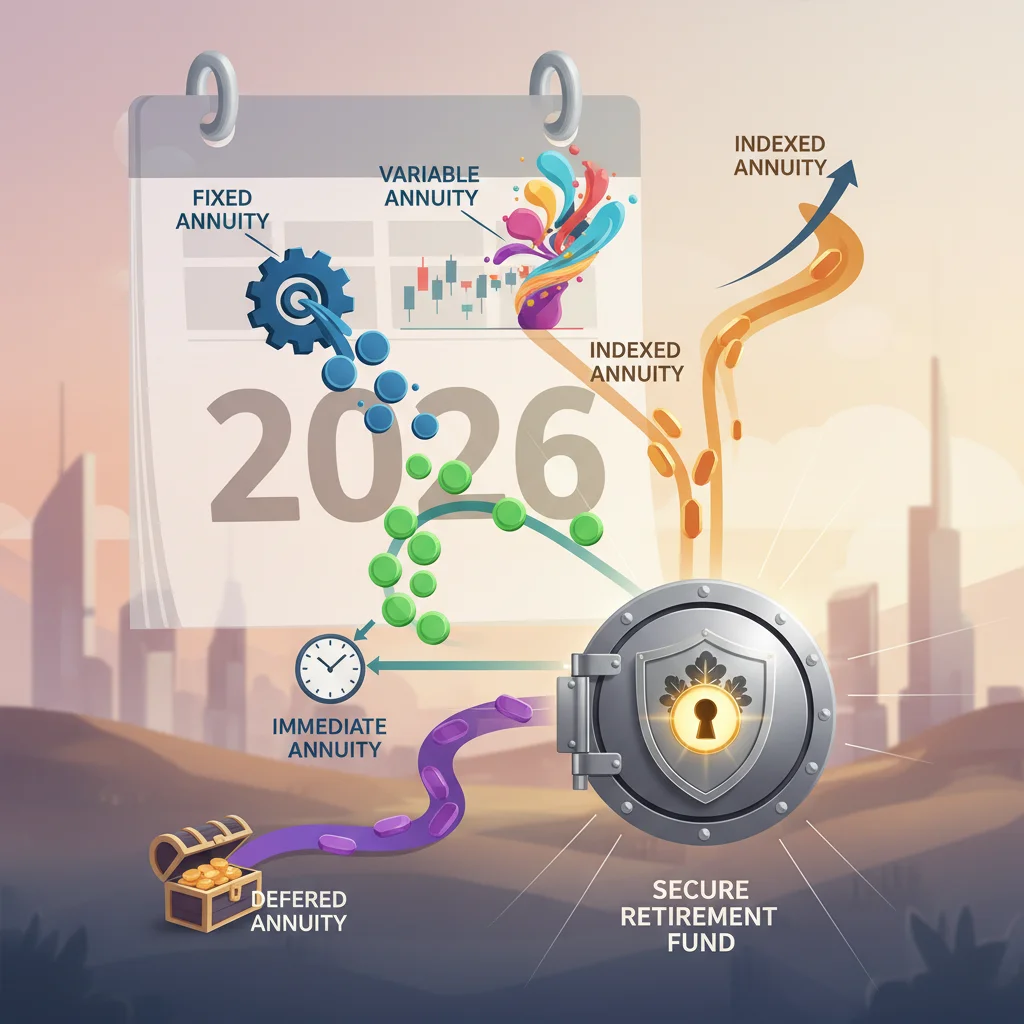
Annuities are often misunderstood, but when used strategically, they can be a cornerstone of advanced retirement strategies, particularly for those seeking guaranteed income. Simply put, an annuity is a contract between you and an insurance company where you make a lump-sum payment or a series of payments, and in return, the insurer promises to pay you regular disbursements, either immediately or at some point in the future. The primary appeal of annuities, especially for retirement planning, lies in their ability to provide a predictable income stream, which can act as a valuable supplement or even a primary source of funds during your non-working years.
Understanding Different Types of Annuities
To effectively incorporate annuities into your advanced retirement strategies, it’s essential to understand their various forms:
- Fixed Annuities: These offer a guaranteed interest rate for a specified period, providing predictable growth and income. They are generally considered lower risk and are suitable for those who prioritize principal protection and stable returns.
- Variable Annuities: With variable annuities, your money is invested in subaccounts that operate much like mutual funds. The value of your annuity and the income payments you receive can fluctuate based on the performance of these underlying investments. While offering potential for higher returns, they also carry more risk. Some variable annuities offer riders for guaranteed income, even if the market performs poorly.
- Indexed Annuities (Fixed-Indexed Annuities): These annuities offer a balance between fixed and variable options. Their returns are linked to a market index (like the S&P 500) but typically include a floor, meaning you won’t lose money due if the index declines. They also often have a cap on how much you can earn.
- Immediate Annuities (SPIAs): As the name suggests, immediate annuities begin paying out income almost immediately after you make your lump-sum payment. They are ideal for individuals who are already retired or nearing retirement and need to convert a portion of their savings into a predictable income stream right away.
- Deferred Annuities: With deferred annuities, payments begin at a future date you specify. This allows your money to grow tax-deferred over time. They are suitable for those who are still working and want to build a guaranteed income stream for later in retirement.
Strategic Integration into Your Retirement Plan for 2026
For 2026, consider how annuities can fill gaps in your retirement income plan. If you’re concerned about outliving your savings, a lifetime income annuity can provide peace of mind. If market volatility is a worry, fixed or indexed annuities can offer a degree of protection while still allowing for growth. Annuities can also be particularly effective in bridging the gap between early retirement and when Social Security benefits begin, or in covering essential living expenses, allowing other investments to remain untouched and continue growing.
When incorporating annuities into your advanced retirement strategies, it’s crucial to work with a qualified financial advisor. They can help you navigate the complexities, understand fees, surrender charges, and riders, and determine which type of annuity best aligns with your financial goals, risk tolerance, and overall retirement blueprint. The right annuity can provide a powerful, predictable income component, safeguarding your financial future.
Strategy 2: Unlocking Wealth with Strategic Real Estate Investments
Real estate has long been a favored asset class for wealth building, and it continues to be a cornerstone of advanced retirement strategies. Beyond simply owning a primary residence, strategic real estate investments can generate significant passive income, offer tax advantages, and provide a hedge against inflation. For 2026, the real estate market, while dynamic, presents numerous opportunities for savvy investors looking to diversify their retirement portfolio and create additional income streams.
Direct Real Estate Ownership: Rental Properties
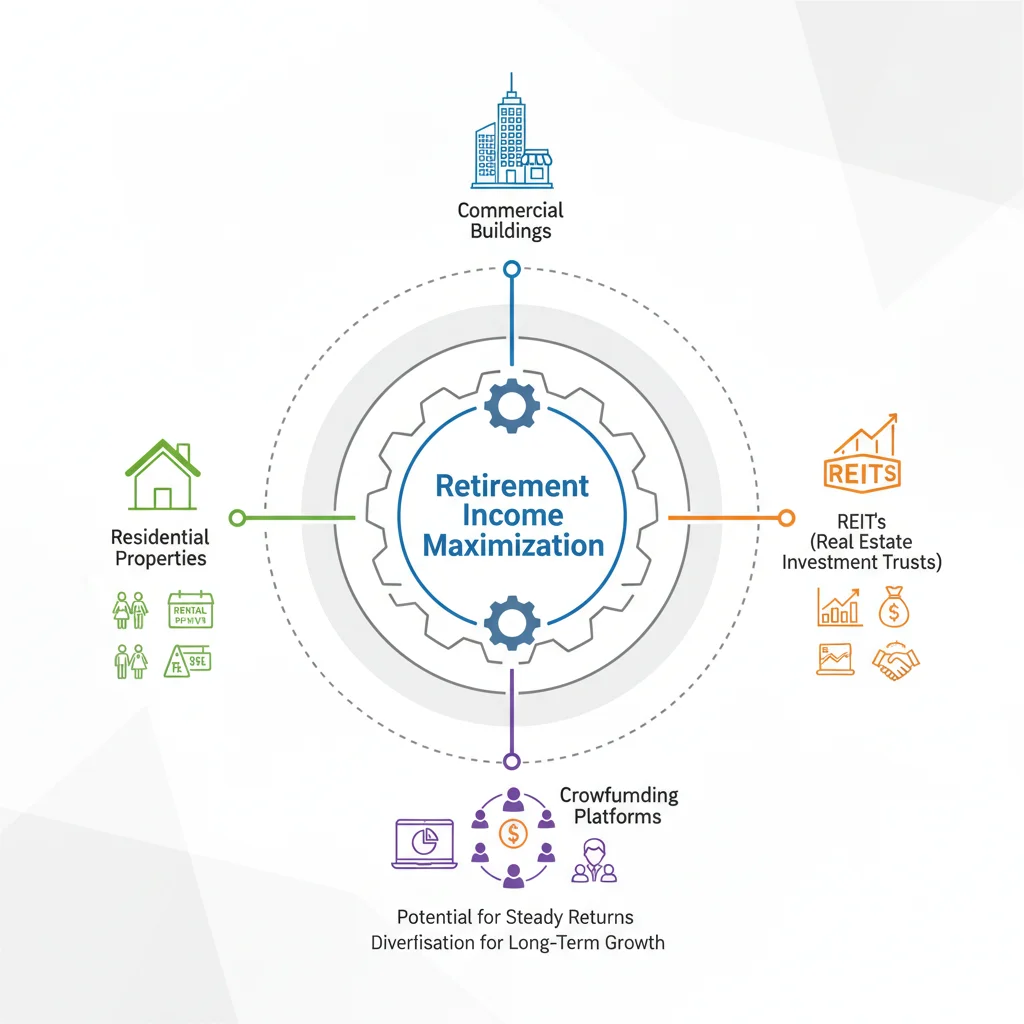
Owning rental properties is perhaps the most straightforward way to invest in real estate for retirement income. This involves purchasing residential or commercial properties and leasing them out to tenants. The income generated from rent can provide a steady cash flow, which can be a significant boost to your retirement budget. Furthermore, properties tend to appreciate in value over time, offering potential for capital gains if you decide to sell in the future.
However, direct ownership comes with responsibilities, including property management, maintenance, and tenant relations. For those who prefer a more hands-off approach, professional property management services can handle these tasks, albeit at a cost. When considering rental properties as part of your advanced retirement strategies, thorough market research is essential to identify areas with strong rental demand, favorable property values, and potential for appreciation.
Real Estate Investment Trusts (REITs)
For investors who want exposure to real estate without the complexities of direct ownership, Real Estate Investment Trusts (REITs) are an excellent option. REITs are companies that own, operate, or finance income-producing real estate across a range of property sectors. They are traded on major stock exchanges, making them highly liquid and accessible. Investing in REITs allows you to own a piece of large-scale real estate portfolios, such as apartment complexes, shopping malls, office buildings, data centers, and hotels, without having to buy and manage physical properties yourself.
A key benefit of REITs for retirement income is their dividend-paying nature. By law, REITs must distribute at least 90% of their taxable income to shareholders annually in the form of dividends. This makes them a strong contender for generating regular passive income. They also offer diversification benefits, as their performance often doesn’t correlate directly with the broader stock market. For 2026, consider a diversified portfolio of REITs that cover various sectors to mitigate risk and capture growth opportunities.
Real Estate Crowdfunding Platforms
The rise of real estate crowdfunding platforms has democratized access to larger, more complex real estate projects. These platforms allow multiple investors to pool their money to invest in properties or development projects that would otherwise be out of reach for individual investors. This can include commercial properties, multi-family housing, or even specific development ventures. Investors can choose to participate in debt investments (lending money to developers) or equity investments (owning a share of the property).
Real estate crowdfunding offers a lower entry point compared to direct ownership and can provide attractive returns. It also allows for greater diversification across different types of properties and geographical locations. However, it’s important to research the platform carefully, understand the specific project risks, and be aware of the liquidity of your investment, as some crowdfunding investments can be long-term and illiquid. Integrating real estate crowdfunding can be a sophisticated addition to your advanced retirement strategies, offering exposure to high-potential projects.
Considerations for Real Estate in 2026
When planning your real estate investments for 2026, keep an eye on interest rates, local market trends, and economic forecasts. Higher interest rates can impact property values and borrowing costs, while strong local economies can boost rental demand and appreciation. Real estate can be a powerful component of your advanced retirement strategies, providing both income and capital growth, but it requires careful due diligence and a long-term perspective.
Strategy 3: Exploring Alternative Investments for Enhanced Returns and Diversification
Beyond traditional stocks, bonds, and even real estate, alternative investments offer a vast universe of opportunities to enhance returns, diversify portfolios, and mitigate risk in retirement. These assets typically have a low correlation with conventional markets, meaning they can perform well even when stocks and bonds are struggling. Integrating alternative investments into your advanced retirement strategies for 2026 can be a game-changer for maximizing income and preserving wealth.
Private Equity and Venture Capital
Private equity involves investing in companies that are not publicly traded on a stock exchange. This can range from established private businesses to startups (venture capital). Historically, private equity has been difficult for individual investors to access, but certain funds and platforms now make it more feasible. These investments typically require a long-term commitment and can be illiquid, but they offer the potential for substantial returns if the underlying companies perform well. For those with a higher risk tolerance and a longer time horizon in retirement, private equity can be a powerful growth engine within their advanced retirement strategies.
Hedge Funds
Hedge funds are investment funds that use a variety of strategies to generate returns, often employing complex financial instruments and tactics like short-selling, leverage, and derivatives. Their goal is to generate positive returns regardless of market conditions. While they typically have high minimum investment requirements and fees, and are often restricted to accredited investors, they can provide significant diversification and risk management benefits. For a sophisticated investor looking for advanced retirement strategies, a carefully selected hedge fund allocation could offer market-beating returns and protection during downturns.
Commodities
Investing in commodities, such as gold, silver, oil, natural gas, or agricultural products, can be another way to diversify your retirement portfolio. Commodities can act as a hedge against inflation, as their prices often rise during periods of economic growth and inflation. They can be invested in directly through futures contracts, or indirectly through commodity-focused exchange-traded funds (ETFs) or mutual funds. For 2026, with ongoing global economic shifts, a strategic allocation to commodities could provide valuable portfolio protection and growth potential, making them a relevant part of advanced retirement strategies.
Peer-to-Peer (P2P) Lending
P2P lending platforms connect individual borrowers with individual lenders, bypassing traditional financial institutions. As a lender, you can earn interest on the loans you fund. This asset class can offer attractive returns that are often higher than traditional savings accounts or bonds, though it does come with credit risk. Diversifying your investments across many different loans and borrowers on reputable platforms can help mitigate this risk. P2P lending can provide a relatively passive income stream and is a contemporary addition to advanced retirement strategies for those comfortable with the associated risks.
Cryptocurrencies and Digital Assets
While highly volatile, cryptocurrencies like Bitcoin and Ethereum, and other digital assets, have garnered significant attention for their potential for explosive growth. For a small, speculative portion of a well-diversified retirement portfolio, digital assets could offer outsized returns, though they also carry substantial risk of loss. For 2026, it’s crucial to approach this area with extreme caution, thoroughly research the underlying technology and market dynamics, and never invest more than you can afford to lose. They represent the cutting edge of advanced retirement strategies, suitable only for those with a high risk tolerance and a long-term investment horizon.
Art, Collectibles, and Other Tangible Assets
Investing in fine art, rare coins, stamps, wine, or other high-value collectibles can be both a passion and an investment. These assets often appreciate over time and can provide a tangible store of value. However, they require specialized knowledge, can be illiquid, and may incur significant storage and insurance costs. While not for everyone, for those with expertise and interest, these tangible assets can be a unique component of advanced retirement strategies.
Integrating These Advanced Strategies into Your 2026 Retirement Plan
Successfully implementing these advanced retirement strategies requires a thoughtful, integrated approach. Here’s how to weave them into your overall financial plan for 2026:
1. Assess Your Risk Tolerance and Time Horizon
Before diving into any advanced investment, honestly evaluate your comfort level with risk and your remaining time until and during retirement. Annuities can offer stability, real estate a blend of income and growth, and alternative investments a spectrum of risk/reward profiles. Your choices should align with your personal financial psychology.
2. Diversification is Key
The goal of advanced retirement strategies is not to replace your existing 401(k) or IRA but to complement and enhance them. Diversify across different asset classes, within each asset class (e.g., various types of annuities, different real estate sectors), and geographically. This helps to mitigate risk and smooth out returns over time.
3. Seek Expert Guidance
Many of these advanced retirement strategies are complex. Working with a qualified financial advisor who specializes in retirement planning and alternative investments is paramount. They can help you understand the nuances, assess suitability, navigate regulations, and construct a portfolio tailored to your unique circumstances and goals for 2026 and beyond.
4. Stay Informed and Adaptable
The financial world is constantly changing. Stay abreast of economic trends, market conditions, and tax law changes that could impact your investments. Be prepared to adjust your advanced retirement strategies as your personal circumstances evolve and as new opportunities or risks emerge.
5. Understand Liquidity and Fees
Some of these advanced retirement strategies, particularly certain alternative investments and deferred annuities, can be illiquid, meaning your money may be tied up for an extended period. Always understand the liquidity implications and any associated fees or commissions before committing your capital. Transparency regarding costs is vital for maximizing your net returns.
The Benefits of a Multi-faceted Approach to Retirement Income
By moving beyond a singular focus on traditional retirement accounts and embracing these advanced retirement strategies, you unlock several significant benefits:
- Enhanced Income Stability: Annuities provide predictable income, while rental properties offer consistent cash flow, reducing reliance on market-dependent assets.
- Greater Growth Potential: Strategic real estate and certain alternative investments can offer higher returns than conventional assets, accelerating wealth accumulation.
- Superior Diversification: Investing across a broader range of asset classes reduces overall portfolio risk, protecting your wealth from downturns in any single market sector.
- Inflation Protection: Assets like real estate and commodities can act as a hedge against inflation, preserving your purchasing power in retirement.
- Tax Efficiencies: Some advanced retirement strategies offer specific tax advantages that can be leveraged to optimize your net income.
- Peace of Mind: A well-constructed, diversified retirement portfolio built on advanced strategies provides greater confidence in your financial future, allowing you to enjoy your retirement years without undue stress.
Conclusion: Your Path to Maximized Retirement Income in 2026
Retirement in 2026 and beyond demands more than just a basic 401(k) plan. By strategically incorporating annuities, diversifying into real estate investments, and prudently exploring alternative assets, you can construct a robust and resilient retirement portfolio designed to maximize your income and secure your financial future. These advanced retirement strategies are not merely additions; they are essential components of a modern, forward-thinking approach to wealth management in your golden years.
Remember, the journey to a comfortable and prosperous retirement is personal. Take the time to educate yourself, assess your individual circumstances, and most importantly, consult with experienced financial professionals. With careful planning and the strategic application of these advanced retirement strategies, you can look forward to a retirement filled with financial security and the freedom to live life on your own terms.