Navigating 2026 AML/CFT Overhaul: A Guide for Financial Institutions

Navigating the 2026 AML/CFT Overhaul: A Comprehensive Guide for Financial Institutions
The financial landscape is in a constant state of evolution, and nowhere is this more apparent than in the realm of regulatory compliance. As we approach 2026, financial institutions worldwide are bracing for a significant overhaul of Anti-Money Laundering (AML) and Counter-Financing of Terrorism (CFT) regulations. This impending shift, often referred to as the AML CFT 2026 overhaul, represents not just a series of updates, but a fundamental re-evaluation of how financial crime is combated on a global scale. For financial institutions, understanding and preparing for these changes is not merely a matter of compliance; it is a strategic imperative for safeguarding reputation, avoiding severe penalties, and fostering a more secure global financial system.
The complexities surrounding the AML CFT 2026 framework demand proactive engagement and a thorough understanding of the underlying principles driving these reforms. Regulators, driven by evolving threats and technological advancements, are seeking to close loopholes, enhance international cooperation, and leverage data more effectively. This article serves as a comprehensive guide, designed to equip financial institutions with the knowledge and strategies necessary to navigate this challenging yet critical transition. We will delve into the anticipated changes, explore the implications for various aspects of financial operations, and provide actionable steps to ensure robust compliance and operational resilience.
Understanding the Drivers Behind the 2026 AML/CFT Overhaul
The impetus for the AML CFT 2026 overhaul stems from several converging factors. Firstly, the sophistication of financial crime has escalated dramatically. Criminal organizations are increasingly adept at exploiting technological advancements, from cryptocurrencies to complex digital payment systems, to launder illicit funds and finance terrorist activities. Existing regulatory frameworks, while robust, often struggle to keep pace with these rapidly evolving methodologies.
Secondly, international bodies like the Financial Action Task Force (FATF) continuously review and update their recommendations to ensure global consistency and effectiveness. These recommendations often serve as the bedrock for national legislations, meaning changes at the international level invariably trickle down to domestic regulatory environments. The 2026 overhaul is expected to reflect these ongoing efforts to strengthen global standards.
Thirdly, there is a growing recognition of the need for greater data-driven approaches and technological integration in AML/CFT efforts. Artificial intelligence, machine learning, and advanced analytics offer powerful tools to detect suspicious patterns and behaviors that might elude traditional, rule-based systems. Regulators are keen to encourage and, in some cases, mandate the adoption of these technologies to enhance the efficiency and efficacy of compliance programs.
Finally, geopolitical shifts and emerging threats necessitate a dynamic approach to financial crime prevention. Sanctions regimes, cyber-attacks, and the weaponization of financial systems all contribute to a complex risk landscape that requires financial institutions to be more agile and adaptable in their compliance efforts. The AML CFT 2026 framework aims to provide a more resilient and responsive regulatory architecture to address these multifaceted challenges.
Key Areas of Anticipated Change in AML CFT 2026
While the exact contours of the AML CFT 2026 overhaul are still being finalized in various jurisdictions, several key themes and areas of focus are widely anticipated. Financial institutions should begin to strategize around these potential changes:
1. Enhanced Customer Due Diligence (CDD) and Ultimate Beneficial Ownership (UBO) Transparency
Expect a significant tightening of CDD requirements. This will likely involve deeper scrutiny of customer identities, a more rigorous approach to identifying politically exposed persons (PEPs), and a greater emphasis on understanding the source of wealth and funds. Crucially, the focus on Ultimate Beneficial Ownership (UBO) transparency is expected to intensify. Regulators are increasingly demanding that financial institutions look beyond immediate account holders to identify the true natural persons who own or control legal entities. This will require more sophisticated data collection, verification processes, and potentially, access to centralized UBO registries.
2. Risk-Based Approach Refinement and Sector-Specific Guidance
The risk-based approach (RBA) will remain central to AML/CFT frameworks, but expect refinements to how it is applied. This could involve more prescriptive guidance on conducting risk assessments, clearer definitions of high-risk sectors and activities, and potentially, a move towards more standardized risk scoring methodologies. Financial institutions will need to demonstrate not just that they have an RBA, but that it is effectively implemented, regularly reviewed, and proportionate to their specific risk exposures. There may also be more tailored guidance for emerging sectors, such as virtual asset service providers (VASPs), fintech companies, and crowdfunding platforms, recognizing their unique risk profiles.
3. Greater Emphasis on Technology and Data Analytics
The AML CFT 2026 framework is poised to strongly advocate for, if not mandate, the strategic use of technology. This includes AI and machine learning for transaction monitoring, anomaly detection, and sanctions screening. Financial institutions will need to invest in robust technological solutions that can process vast amounts of data, identify subtle patterns indicative of financial crime, and reduce false positives. The ability to integrate disparate data sources, both internal and external, will be paramount. Furthermore, there will be an increased expectation for financial institutions to demonstrate how their technological solutions are effective, regularly tested, and free from bias.
4. Strengthened International Cooperation and Information Sharing
Combating global financial crime requires seamless international cooperation. The 2026 overhaul will likely reinforce mechanisms for cross-border information sharing between financial intelligence units (FIUs) and supervisory authorities. For financial institutions with international operations, this means navigating potentially conflicting data privacy regulations while adhering to global information-sharing mandates. There will be an increased need for harmonized data standards and secure communication channels to facilitate the exchange of critical intelligence.
5. Proactive Sanctions Compliance and Evolving Threat Landscape
Sanctions regimes are becoming more complex and frequently updated. The AML CFT 2026 framework will likely demand even more proactive and sophisticated sanctions screening capabilities, including real-time monitoring and the ability to adapt quickly to new designations. Financial institutions will need to stay abreast of geopolitical developments and understand their implications for sanctions compliance, particularly concerning emerging technologies and jurisdictions.
Strategic Preparation for the AML CFT 2026 Overhaul
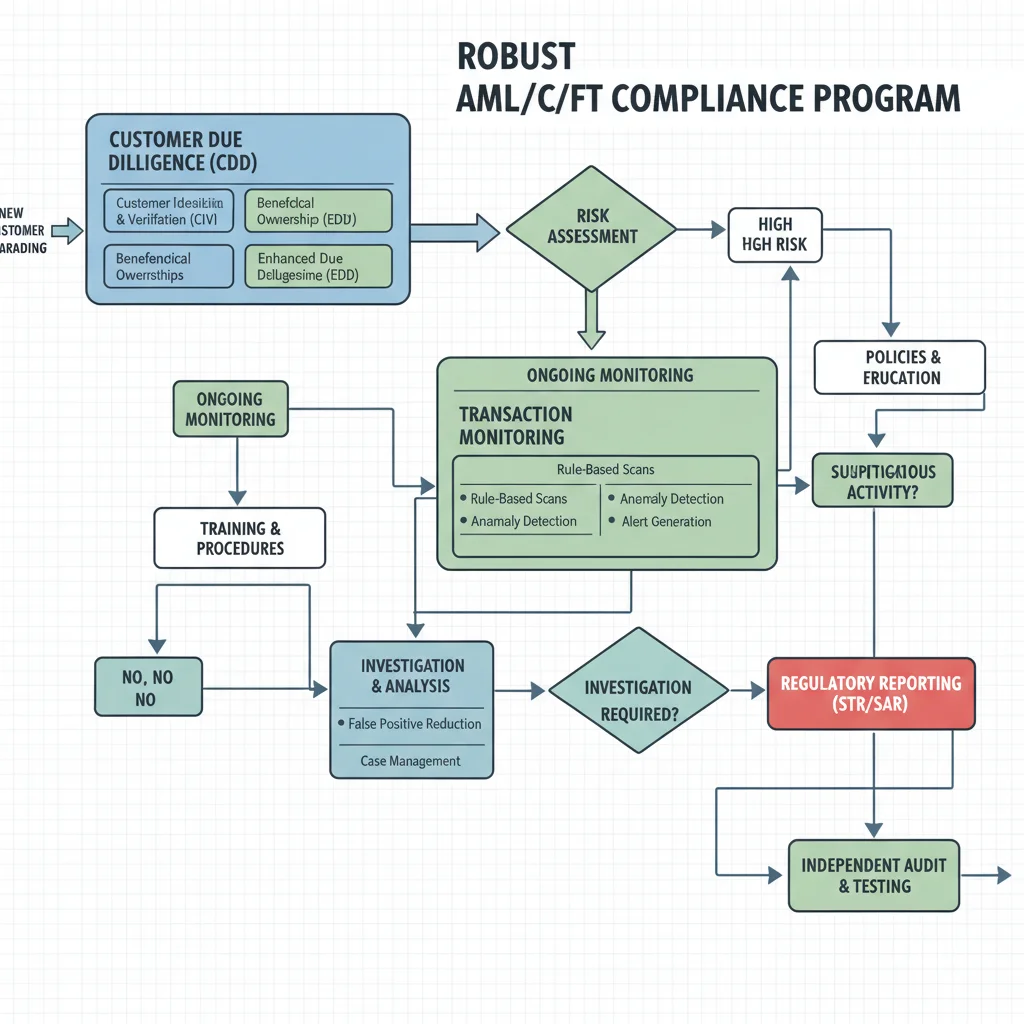
Preparing for the AML CFT 2026 overhaul requires a multi-faceted approach that spans technology, people, processes, and governance. Proactive preparation can transform a potential compliance burden into an opportunity for operational enhancement and competitive advantage.
1. Conduct a Comprehensive Gap Analysis
The first critical step is to perform a thorough gap analysis of your current AML/CFT program against anticipated 2026 requirements. This involves evaluating your existing policies, procedures, systems, and controls. Identify areas where your current framework falls short, whether it’s in data collection, technological capabilities, staff training, or risk assessment methodologies. Prioritize these gaps based on their potential impact and the likelihood of regulatory scrutiny.
2. Invest in Advanced Technology and Data Solutions
Technology will be a cornerstone of the new regulatory landscape. Financial institutions must invest in and integrate advanced AML/CFT solutions. This includes:
- AI-Powered Transaction Monitoring: Systems that can analyze vast datasets, identify complex patterns, and reduce false positives.
- Enhanced Customer Due Diligence Platforms: Solutions that automate identity verification, UBO identification, and ongoing customer screening.
- Sanctions Screening Tools: Real-time screening capabilities that adapt to rapidly changing sanctions lists.
- Data Analytics and Reporting: Tools that provide comprehensive insights into risk exposure and facilitate efficient regulatory reporting.
- Secure Data Management: Robust infrastructure to handle sensitive customer data securely and in compliance with privacy regulations.
Leveraging these technologies will not only improve compliance but also enhance operational efficiency and provide valuable business intelligence. The move towards a more data-centric approach for AML CFT 2026 means that institutions with superior data infrastructure will be better positioned.
3. Reinforce Your Risk Assessment Framework
Refine your risk assessment methodologies to be more dynamic and granular. This involves:
- Regular Updates: Ensure risk assessments are not one-off exercises but are continuously updated to reflect evolving threats, new products, and changes in customer demographics.
- Scenario Analysis: Incorporate scenario planning to assess the impact of emerging risks, such as new types of financial crime or geopolitical events.
- Quantitative and Qualitative Factors: Combine quantitative data (e.g., transaction volumes, geographic risk scores) with qualitative insights (e.g., expert judgment, intelligence reports) for a holistic view.
- Documentation: Maintain meticulous documentation of your risk assessment process, methodologies, and findings to demonstrate compliance to regulators.
4. Strengthen Governance and Internal Controls
Robust governance is paramount. This includes:
- Board and Senior Management Oversight: Ensure active involvement and accountability from the highest levels of the organization in AML/CFT matters.
- Clear Roles and Responsibilities: Define clear roles, responsibilities, and reporting lines for all personnel involved in AML/CFT compliance.
- Independent Audit Functions: Establish strong independent audit functions to regularly review the effectiveness of your AML/CFT program.
- Whistleblower Protections: Implement mechanisms to encourage and protect individuals who report suspicious activities or internal compliance failures.
A strong compliance culture, driven from the top down, is essential for effective preparation for AML CFT 2026.
5. Invest in Continuous Training and Talent Development
Your people are your first line of defense. Invest in comprehensive and continuous training programs for all relevant staff, from front-line employees to senior management. Training should cover:
- Regulatory Updates: Keep staff informed about the latest regulatory changes, particularly those related to the AML CFT 2026 overhaul.
- Typologies of Financial Crime: Educate staff on emerging money laundering and terrorist financing typologies.
- System Proficiency: Ensure staff are proficient in using the new technologies and systems implemented for AML/CFT.
- Ethical Conduct: Reinforce the importance of ethical conduct and the organization’s commitment to combating financial crime.
Consider also developing a specialized team of AML/CFT experts who can lead the charge in implementing and managing the updated compliance framework.
6. Foster a Culture of Compliance
Beyond policies and systems, a strong culture of compliance is vital. This means fostering an environment where every employee understands their role in preventing financial crime and feels empowered to report suspicious activity without fear of reprisal. Regular communication, visible leadership commitment, and incentives for compliance excellence can help embed this culture throughout the organization. This cultural shift is as important as any technological upgrade for navigating the AML CFT 2026 landscape.
Leveraging Technology for AML CFT 2026 Compliance
The role of technology in AML/CFT compliance cannot be overstated, especially in the context of the AML CFT 2026 overhaul. Financial institutions that effectively leverage technology will gain a significant advantage in meeting regulatory expectations and mitigating risks.
Artificial Intelligence and Machine Learning
AI and machine learning (ML) are transforming AML/CFT efforts by enabling more sophisticated analysis of transactional data. These technologies can:
- Detect Anomalies: Identify unusual patterns and behaviors that deviate from normal customer activity, which might indicate money laundering.
- Reduce False Positives: By learning from historical data and analyst feedback, AI/ML models can significantly reduce the number of false alerts, allowing compliance teams to focus on truly suspicious activities.
- Predictive Analytics: Anticipate potential risks by identifying emerging trends in financial crime.
- Behavioral Biometrics: Analyze user behavior patterns to detect account takeovers or fraudulent activities.
Implementing AI/ML requires careful planning, including access to high-quality data, expertise in model development and validation, and continuous monitoring of model performance. The push for advanced analytics in AML CFT 2026 makes this an indispensable area of investment.
Robotic Process Automation (RPA)
RPA can automate repetitive, rule-based tasks within the AML/CFT process, freeing up human analysts to focus on more complex investigations. Examples include:
- Data Collection and Aggregation: Automating the gathering of customer data from various sources for CDD.
- Sanctions Screening: Automatically checking customer and transaction data against sanctions lists.
- Report Generation: Automating the creation of Suspicious Activity Reports (SARs) or Suspicious Transaction Reports (STRs).
RPA enhances efficiency, reduces human error, and ensures consistency in compliance procedures, all critical elements for the upcoming AML CFT 2026 requirements.
Distributed Ledger Technology (DLT) and Blockchain
While often associated with cryptocurrencies, DLT and blockchain have potential applications in enhancing AML/CFT transparency and efficiency. They can create immutable records of transactions and identities, making it harder for criminals to obscure beneficial ownership or the origin of funds. Potential uses include:
- Secure Identity Verification: Creating verifiable digital identities for customers.
- Shared KYC Utilities: Developing collaborative platforms for financial institutions to share validated KYC information securely.
- Traceability of Funds: Enhancing the ability to trace the flow of funds across multiple jurisdictions.
As the AML CFT 2026 framework continues to evolve, the integration of these emerging technologies will be a key differentiator for institutions committed to leading-edge compliance.

Overcoming Challenges in the AML CFT 2026 Transition
The transition to the AML CFT 2026 framework will not be without its challenges. Financial institutions must be prepared to address several key hurdles:
1. Data Management and Integration
One of the most significant challenges will be managing and integrating vast amounts of data from disparate sources. Legacy systems, siloed data, and poor data quality can hinder the effectiveness of advanced analytics tools. Financial institutions need to invest in robust data governance frameworks, data warehousing solutions, and API-driven integration strategies to create a unified view of customer and transactional data. Ensuring data accuracy and completeness will be crucial for the success of AML CFT 2026 initiatives.
2. Regulatory Interpretation and Harmonization
While international bodies strive for harmonization, national regulators often interpret and implement guidelines differently. Financial institutions operating across multiple jurisdictions will face the challenge of navigating these variations. Staying updated with local regulatory pronouncements and engaging with industry bodies to advocate for greater harmonization will be essential.
3. Cost of Compliance
The enhanced requirements of the AML CFT 2026 overhaul, particularly investments in technology and skilled personnel, will entail significant costs. Financial institutions must view these expenditures not merely as compliance burdens but as strategic investments that protect the organization from reputational damage, regulatory fines, and the broader risks associated with financial crime. Cost-benefit analyses and long-term strategic planning are necessary to justify these investments.
4. Talent Shortage
There is a global shortage of skilled AML/CFT professionals, particularly those with expertise in data science, AI, and cybersecurity. Financial institutions will need to invest in upskilling their existing workforce, attracting new talent, and potentially partnering with external experts or managed service providers to bridge this talent gap. The specialized demands of AML CFT 2026 will exacerbate this challenge.
5. Adapting to Rapid Change
The regulatory landscape is dynamic. Financial institutions must build agile compliance functions that can quickly adapt to new threats, technologies, and regulatory updates. This requires a flexible organizational structure, continuous monitoring of the external environment, and a commitment to ongoing learning and adaptation.
The Future of AML/CFT: Beyond 2026
The AML CFT 2026 overhaul is not an endpoint but a significant milestone in the ongoing fight against financial crime. Looking beyond 2026, we can anticipate further evolution in several key areas:
- Proactive Intelligence Sharing: Greater emphasis on predictive intelligence and proactive sharing of financial crime data between public and private sectors.
- Digital Identity Verification: Widespread adoption of secure, verifiable digital identities that streamline CDD and enhance security.
- RegTech Innovation: Continued growth and integration of RegTech (Regulatory Technology) solutions that automate and optimize compliance processes.
- Environmental, Social, and Governance (ESG) Factors: Increasing integration of ESG considerations into AML/CFT risk assessments, particularly concerning illicit financing linked to environmental crimes or human rights abuses.
- Global Harmonization: Persistent efforts towards greater global harmonization of AML/CFT standards to create a truly seamless and effective international framework.
Financial institutions that embrace innovation, invest in robust compliance infrastructure, and foster a proactive compliance culture will be best positioned to thrive in this evolving environment.
Conclusion
The AML CFT 2026 overhaul represents a pivotal moment for financial institutions globally. It is an opportunity to strengthen defenses against financial crime, enhance operational efficiency, and reaffirm commitment to ethical conduct. While the challenges are significant, the tools and strategies to meet them are available. By conducting thorough gap analyses, investing in advanced technology, reinforcing risk management, and fostering a strong culture of compliance, financial institutions can successfully navigate this transition.
Proactive engagement with the impending changes is not just about avoiding penalties; it is about building a more resilient, transparent, and trustworthy financial system for everyone. The journey to 2026 demands strategic vision, dedicated resources, and a collaborative spirit. Financial institutions that embrace these principles will not only meet the regulatory mandate but will emerge stronger, more secure, and better prepared for the future of finance.