The 2026 Digital Services Act: Reshaping US Content Moderation

The 2026 Digital Services Act: How it Reshapes Content Moderation for US Platforms
The digital landscape is a constantly evolving frontier, and with its rapid expansion comes the imperative for robust regulation. The European Union, a pioneer in digital governance, has once again taken a monumental step with the Digital Services Act (DSA), set to become fully applicable by 2026. While an EU initiative, its implications are profoundly global, particularly for US-based digital platforms that serve a significant European user base. The Digital Services Act US impact cannot be overstated; it represents a seismic shift in how these platforms will operate, especially concerning content moderation, transparency, and accountability.
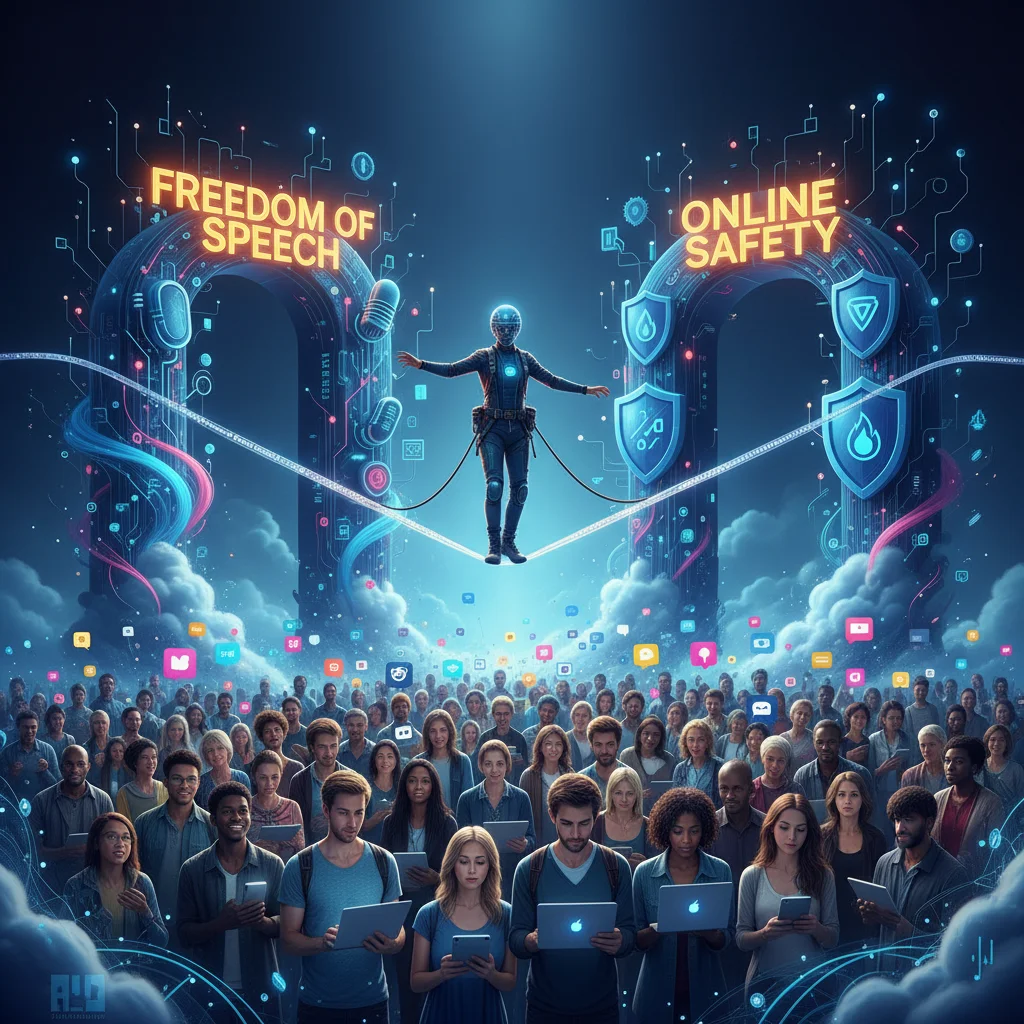
For years, the debate around online content moderation has raged, often pitting free speech against the need for a safe and inclusive online environment. The DSA seeks to strike a delicate balance, imposing clear obligations on digital services, from small online marketplaces to very large online platforms (VLOPs) and very large online search engines (VLOSEs). This comprehensive framework is designed to make platforms more accountable for the content they host, ensuring greater user protection and a more transparent digital ecosystem.
Understanding the nuances of the Digital Services Act US impact is crucial for any US tech company with a global footprint. This article will delve deep into the core tenets of the DSA, explore its direct implications for American platforms, and discuss the strategic adjustments required to navigate this new regulatory era successfully.
Understanding the Digital Services Act (DSA): A New Era of Digital Governance
The Digital Services Act is not merely an update to existing regulations; it’s a paradigm shift. Building upon the foundations of the e-Commerce Directive, the DSA introduces a tiered system of obligations, with the most stringent requirements reserved for VLOPs and VLOSEs – categories that many prominent US tech giants fall into. At its heart, the DSA aims to:
- Combat Illegal Content Online: By establishing clear procedures for notice-and-action mechanisms, enabling users to flag illegal content easily, and obliging platforms to act swiftly.
- Increase Platform Accountability: Requiring platforms to be more transparent about their content moderation practices, algorithms, and decision-making processes.
- Empower Users: Granting users more rights, including the ability to challenge content moderation decisions, understand algorithmic recommendations, and be protected from manipulative design practices.
- Mitigate Systemic Risks: Imposing specific risk assessment and mitigation duties on VLOPs and VLOSEs to address issues like disinformation, gender-based violence, and negative effects on fundamental rights.
The extraterritorial reach of the DSA is a key element that makes the Digital Services Act US impact so significant. Any online platform offering services to users in the EU, regardless of where the platform is established, must comply. This means that US companies cannot simply ignore the DSA; their operations, policies, and technical infrastructure must adapt to meet these new European standards.
Direct Implications for US Digital Platforms
The DSA’s comprehensive nature means that US platforms will face a multitude of new requirements. These implications span several critical areas:
Enhanced Transparency in Content Moderation
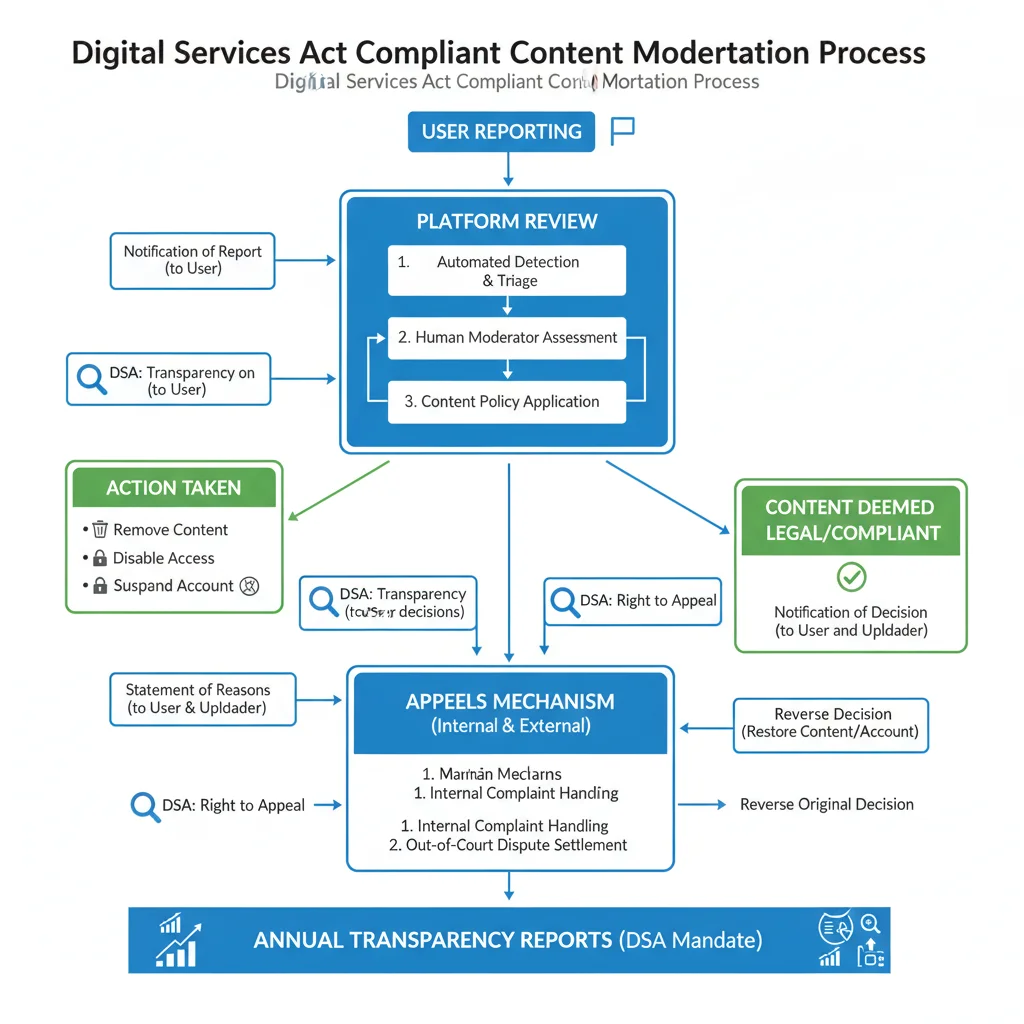
One of the most immediate and impactful changes for US platforms is the demand for unprecedented transparency. The DSA mandates that platforms clearly explain their content moderation policies, including the use of automated tools, and provide clear and specific reasons for any content removal or restriction. This includes:
- Publication of Moderation Reports: Regular, detailed reports on content moderation activities, including the number of pieces of content removed, the reasons, and the accuracy of automated tools.
- Clear Terms and Conditions: Platforms must ensure their terms of service are easily understandable and clearly outline what content is prohibited and why.
- Algorithmic Transparency: VLOPs and VLOSEs must provide users with options not based on profiling for their recommendation systems and explain how their algorithms work.
For US platforms accustomed to less stringent transparency requirements, this will necessitate significant overhauls of internal documentation, reporting mechanisms, and user-facing communications. The Digital Services Act US impact here is about shifting from opaque practices to a more open and understandable approach to content governance.
Robust Notice-and-Action Mechanisms
The DSA introduces standardized notice-and-action procedures, making it easier for users to report illegal content and for platforms to respond effectively. Key aspects include:
- Easy Reporting Tools: Platforms must provide user-friendly mechanisms for reporting illegal content.
- Prioritizing Trusted Flaggers: A system for designating ‘trusted flaggers’ – entities with expertise in detecting illegal content – whose notices must be processed with priority.
- Swift Action: Platforms are expected to act expeditiously once illegal content is identified.
This means US platforms will need to invest in more sophisticated reporting infrastructure, dedicated moderation teams, and potentially new partnerships with trusted flagger organizations. The speed and efficiency of their response mechanisms will be under greater scrutiny, directly affecting their operations under the Digital Services Act US framework.
New User Rights and Redress Mechanisms
The DSA significantly strengthens user rights, offering avenues for recourse when content moderation decisions are deemed unfair. Users will have the right to:
- Appeal Content Decisions: Platforms must provide an internal complaint-handling system, allowing users to appeal moderation decisions.
- Out-of-Court Dispute Settlement: Users can choose certified out-of-court dispute settlement bodies to resolve disagreements with platforms.
- Receive Compensation: In cases where platforms have caused damage through non-compliance, users may be entitled to compensation.
This aspect of the Digital Services Act US presents a considerable challenge for platforms, as it requires developing robust internal appeal processes and engaging with external dispute resolution bodies. The potential for increased litigation or reputational damage from unresolved user complaints will push platforms to refine their moderation accuracy and fairness.
Specific Challenges for Very Large Online Platforms (VLOPs) and VLOSEs
For US tech giants designated as VLOPs or VLOSEs (those reaching at least 45 million monthly active users in the EU), the DSA imposes an even heavier regulatory burden. These platforms, due to their systemic impact, face additional obligations:
Systemic Risk Assessments and Mitigation
VLOPs and VLOSEs must conduct annual risk assessments to identify and analyze systemic risks stemming from their services. These risks include:
- Dissemination of Illegal Content: The spread of hate speech, child sexual abuse material, or terrorist content.
- Negative Effects on Fundamental Rights: Impacts on freedom of expression, privacy, and non-discrimination.
- Harm to Public Health and Safety: The spread of disinformation related to health crises or electoral processes.
- Negative Effects on Minors: Design features that exploit vulnerabilities of children.
Following these assessments, platforms must implement reasonable, proportionate, and effective mitigation measures. This could involve adjusting algorithmic systems, enhancing content moderation resources, or redesigning user interfaces. The Digital Services Act US demands that these major players proactively identify and address societal harms, moving beyond a reactive approach.
Independent Auditing and Scrutiny
VLOPs and VLOSEs will be subject to independent audits to assess their compliance with the DSA. These audits, conducted by independent organizations, will scrutinize their risk management frameworks, content moderation processes, and algorithmic systems. The results of these audits will be made public, adding another layer of accountability.
This level of external scrutiny is largely unprecedented for US tech companies. Preparing for these audits will require meticulous record-keeping, robust internal controls, and a willingness to open their operations to third-party evaluation. The Digital Services Act US impact here is about external validation of internal processes.
Data Access for Researchers
To facilitate independent research into systemic online risks, VLOPs and VLOSEs must provide vetted researchers with access to their data. This provision aims to enable a deeper understanding of how these platforms function and their societal impact, fostering evidence-based policy-making.
While beneficial for research, this requirement raises significant questions for US platforms regarding data privacy, security, and intellectual property. Developing secure and compliant mechanisms for data sharing will be a complex undertaking, balancing transparency with proprietary interests under the Digital Services Act US framework.
Strategic Adjustments for US Platforms
To successfully navigate the DSA, US digital platforms will need to implement significant strategic adjustments across their organizations:
Legal and Compliance Restructuring
The first step is a thorough legal review of current policies and practices against DSA requirements. This will likely necessitate:
- Updating Terms of Service: Rewriting T&Cs to be clear, concise, and compliant with DSA transparency obligations.
- Establishing EU Legal Representation: Appointing a legal representative in the EU if they don’t already have one.
- Developing Internal Appeal Systems: Creating robust, fair, and transparent internal complaint-handling mechanisms.
The Digital Services Act US challenge starts with understanding the legal fine print and translating it into actionable compliance strategies.
Investing in Content Moderation Infrastructure
The DSA’s emphasis on swift action and detailed reporting will require substantial investment in content moderation. This includes:
- Expanding Moderation Teams: Hiring more human moderators, particularly those with linguistic and cultural expertise relevant to EU member states.
- Enhancing AI/ML Tools: Developing and refining AI-powered moderation tools, ensuring they are transparent, accurate, and regularly audited.
- Improving Reporting Systems: Designing more intuitive and effective user reporting mechanisms.
The Digital Services Act US will undoubtedly lead to a surge in demand for skilled content moderation professionals and advanced technological solutions.
Rethinking Algorithmic Design and Transparency
For platforms heavily reliant on recommendation algorithms, the DSA demands a fundamental re-evaluation. This involves:
- Offering Algorithmic Choice: Providing users with options for non-profiled recommendation systems.
- Explaining Algorithm Functionality: Clearly communicating how algorithms influence content visibility.
- Mitigating Algorithmic Risks: Designing algorithms to actively reduce the spread of harmful content and disinformation.
This shift towards greater algorithmic transparency and control for users is a cornerstone of the Digital Services Act US impact on platform design.
The Broader Global Impact and the ‘Brussels Effect’
The DSA, much like the GDPR before it, is expected to create a ‘Brussels Effect’ or ‘California Effect.’ This phenomenon describes how stringent regulations enacted by a large market, like the EU, often become de facto global standards because companies find it more efficient to apply a single, high standard across all their operations rather than maintaining separate systems for different regions. The Digital Services Act US impact will thus extend beyond just EU users.
For US platforms, designing systems and policies that meet DSA requirements for their European users will often mean implementing similar standards for their global user base. This could lead to a global uplift in content moderation standards, greater transparency, and enhanced user rights, regardless of local regulations. While this presents an initial compliance challenge, it also offers an opportunity for US platforms to lead in responsible digital governance globally.
Enforcement and Penalties: The Cost of Non-Compliance
The DSA is not without teeth. Non-compliance can result in substantial penalties, particularly for VLOPs and VLOSEs. Fines can reach up to 6% of a company’s global annual turnover, a figure that could amount to billions of dollars for major tech companies. Repeated serious infringements could even lead to a temporary suspension of services in the EU.
Enforcement will be overseen by national Digital Services Coordinators in each EU Member State, with the European Commission taking direct oversight of VLOPs and VLOSEs. This robust enforcement mechanism underscores the seriousness with which the EU views the DSA and reinforces the urgency for US platforms to achieve full compliance well before 2026. The financial and reputational risks associated with non-compliance make the Digital Services Act US a priority for executive boards.
Looking Ahead: Preparing for 2026 and Beyond
The journey to full DSA compliance is complex and multifaceted, requiring a concerted effort across legal, technical, product, and policy teams within US digital platforms. Key steps for preparation include:
- Conducting a Comprehensive Gap Analysis: Identifying existing policies and practices that fall short of DSA requirements.
- Allocating Sufficient Resources: Budgeting for increased staffing, technological upgrades, and external auditing services.
- Fostering a Culture of Compliance: Ensuring all employees understand their role in upholding DSA principles.
- Engaging with Regulators and Stakeholders: Participating in dialogues with EU authorities and industry groups to stay informed and influence implementation guidelines.
- Continuous Monitoring and Adaptation: The digital landscape is dynamic, and so too will be the interpretation and enforcement of the DSA. Platforms must be prepared to adapt their strategies as new challenges and guidance emerge.
The Digital Services Act US impact will not be a one-time compliance exercise but an ongoing commitment to responsible digital citizenship. It represents a maturation of the internet, where the rights and safety of users are prioritized alongside innovation and growth.
Conclusion: A New Chapter for Digital Platforms
The 2026 Digital Services Act is poised to fundamentally reshape the operational landscape for US digital platforms. From enhanced transparency in content moderation to stringent accountability for systemic risks, the DSA sets a new global benchmark for online safety and user empowerment. While the journey to full compliance will demand significant investment and strategic realignment, it also presents an opportunity for US tech companies to solidify their commitment to ethical practices and responsible innovation.
The Digital Services Act US impact underscores the interconnectedness of the global digital economy. As platforms strive to meet these new European standards, the benefits of a safer, more transparent, and more accountable online environment will likely extend to users worldwide. The era of self-regulation is giving way to an era of co-regulation, where platforms and policymakers collaborate to build a digital future that serves the best interests of all its citizens.