Edge AI Deployment 2026: Optimizing US Industrial Operations
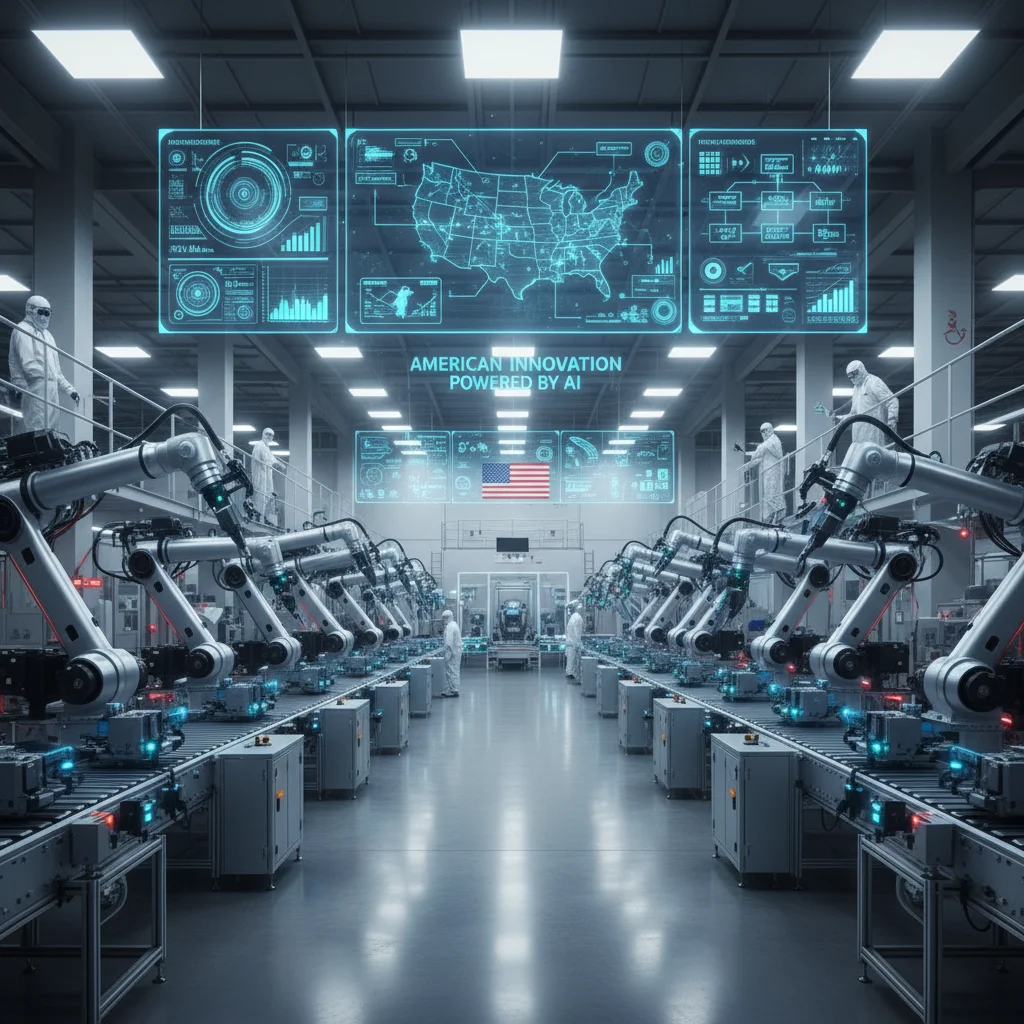
The industrial landscape in the United States is on the cusp of a profound transformation, driven by the relentless march of technological innovation. At the heart of this revolution lies Edge AI Industrial Deployment, a paradigm shift that promises to redefine efficiency, productivity, and competitiveness across various sectors. By 2026, the integration of Artificial Intelligence at the edge of industrial networks will no longer be a futuristic concept but a strategic imperative for businesses aiming to thrive in an increasingly data-intensive world. This comprehensive guide delves into the intricacies of Edge AI deployment, offering a step-by-step roadmap for US industrial operations to optimize their processes, enhance decision-making, and unlock unprecedented levels of innovation.
Understanding the nuances of Edge AI Industrial Deployment requires a holistic perspective, encompassing technological capabilities, operational benefits, potential challenges, and strategic implementation. The ability to process data closer to its source – whether it’s a sensor on a manufacturing line, a camera monitoring product quality, or a robot performing complex tasks – reduces latency, conserves bandwidth, and enhances data security. These advantages are particularly critical for industries where real-time decision-making and operational resilience are paramount. As we look towards 2026, the competitive edge will undoubtedly belong to those who master the art of deploying AI at the edge.
The Strategic Imperative of Edge AI in US Industry
The US industrial sector, ranging from manufacturing and energy to logistics and agriculture, faces continuous pressure to innovate and optimize. Traditional cloud-based AI solutions, while powerful, often struggle with the demands of industrial environments, particularly concerning latency, connectivity, and data volume. This is where Edge AI Industrial Deployment emerges as a game-changer. By bringing AI processing capabilities directly to the devices and sensors on the factory floor, oil rig, or agricultural field, organizations can achieve immediate insights and automated responses that were previously unattainable.
The strategic imperative for adopting Edge AI is multifaceted. Firstly, it addresses the critical need for real-time analytics. In scenarios like predictive maintenance, quality control, or autonomous robot operation, milliseconds can make a significant difference in preventing equipment failure, reducing waste, or ensuring worker safety. Edge AI enables these real-time capabilities by eliminating the round-trip delay to a central cloud server.
Secondly, data privacy and security are growing concerns, especially in sensitive industrial operations. Processing data at the edge reduces the amount of raw, sensitive information transmitted over networks to the cloud, thereby minimizing potential exposure to cyber threats. This localized processing also helps comply with stringent data governance regulations, which are increasingly prevalent in the US and globally.
Thirdly, bandwidth limitations and connectivity issues, particularly in remote or legacy industrial sites, can hinder the effectiveness of cloud-dependent AI. Edge AI operates efficiently even with intermittent or limited network access, ensuring continuous operation and data processing. This resilience is vital for maintaining operational continuity and preventing costly downtime.
Finally, the sheer volume of data generated by industrial IoT (IIoT) devices is overwhelming cloud infrastructure. Edge AI acts as a pre-processor, filtering out irrelevant data and sending only critical insights to the cloud for further analysis or long-term storage. This intelligent data management reduces storage costs, improves network efficiency, and allows cloud resources to focus on higher-level strategic analysis rather than raw data ingestion.
Key Components of a Successful Edge AI Industrial Deployment
A robust Edge AI Industrial Deployment strategy hinges on the careful selection and integration of several key components. Understanding each element is crucial for building a scalable, secure, and effective AI ecosystem at the edge.
Edge Devices and Hardware
The foundation of any Edge AI system lies in the hardware. Edge devices range from small, specialized microcontrollers and embedded systems to ruggedized industrial PCs and gateways. These devices are equipped with sufficient processing power (CPUs, GPUs, NPUs) to run AI models locally. Key considerations for hardware selection include:
- Processing Power: Depending on the complexity of the AI models (e.g., image recognition, anomaly detection), devices need adequate computational capabilities.
- Environmental Resilience: Industrial environments are often harsh, requiring devices that can withstand extreme temperatures, vibrations, dust, and moisture.
- Connectivity: Support for various industrial communication protocols (e.g., Modbus, OPC UA, EtherNet/IP) and wireless technologies (e.g., Wi-Fi, 5G, LoRaWAN) is essential.
- Security Features: Hardware-level security, such as trusted platform modules (TPMs) and secure boot, is critical for protecting the integrity of the edge device and its data.
Edge AI Software and Frameworks
Beyond the hardware, the software stack is equally vital. This includes operating systems optimized for edge computing, AI inference engines, and development frameworks. Popular choices include:
- Operating Systems: Linux distributions (e.g., Ubuntu Core, Yocto Project) are common due to their flexibility and open-source nature. Real-time operating systems (RTOS) are also used for highly deterministic applications.
- AI Frameworks: TensorFlow Lite, OpenVINO, and PyTorch Mobile are optimized for running AI models on resource-constrained edge devices.
- Containerization: Docker and Kubernetes (K3s, MicroK8s) enable efficient deployment and management of AI applications in isolated containers, simplifying updates and scaling.
- Edge Orchestration Platforms: Tools that manage the deployment, monitoring, and updating of AI models and applications across a fleet of edge devices.
Data Ingestion and Pre-processing
Effective Edge AI relies on high-quality data. Sensors and industrial equipment generate vast amounts of raw data that often need to be cleaned, transformed, and formatted before being fed into AI models. Edge devices can perform initial data filtering, aggregation, and normalization, reducing the data load and improving the efficiency of AI inference.
Connectivity and Network Infrastructure
While Edge AI reduces reliance on constant cloud connectivity, a robust local network is still essential for data collection, device management, and occasional synchronization with the cloud. This includes:
- Industrial Ethernet: For high-speed, reliable connections on the factory floor.
- 5G and Private LTE: Offering high bandwidth, low latency, and broad coverage for wireless connectivity in large industrial sites.
- Wi-Fi 6: Enhanced capacity and performance for local wireless networks.
- Mesh Networks: For resilient communication in complex or distributed environments.
Step-by-Step Guide to Edge AI Industrial Deployment by 2026
Implementing Edge AI Industrial Deployment is a complex undertaking that requires careful planning and execution. Here’s a pragmatic, step-by-step guide for US industrial operations to navigate this journey successfully by 2026.
Step 1: Define Clear Use Cases and Business Objectives
Before investing in any technology, it’s crucial to identify specific problems that Edge AI can solve and align them with clear business objectives. Examples include:
- Predictive Maintenance: Reducing unplanned downtime by predicting equipment failures.
- Quality Control: Automating visual inspection to identify defects in real-time.
- Worker Safety: Monitoring hazardous areas and detecting unsafe behaviors.
- Energy Optimization: Analyzing energy consumption patterns to reduce waste.
- Asset Tracking and Optimization: Real-time location and performance monitoring of assets.
Start small with a pilot project that has a well-defined scope and measurable outcomes.
Step 2: Assess Existing Infrastructure and Data Readiness
Evaluate your current industrial infrastructure. What existing sensors, machines, and networks can be leveraged? Identify gaps in data collection, connectivity, and processing capabilities. Assess the quality and availability of historical data needed to train AI models. Data readiness is often the most significant hurdle in AI projects.
Step 3: Select the Right Edge Hardware and Software Stack
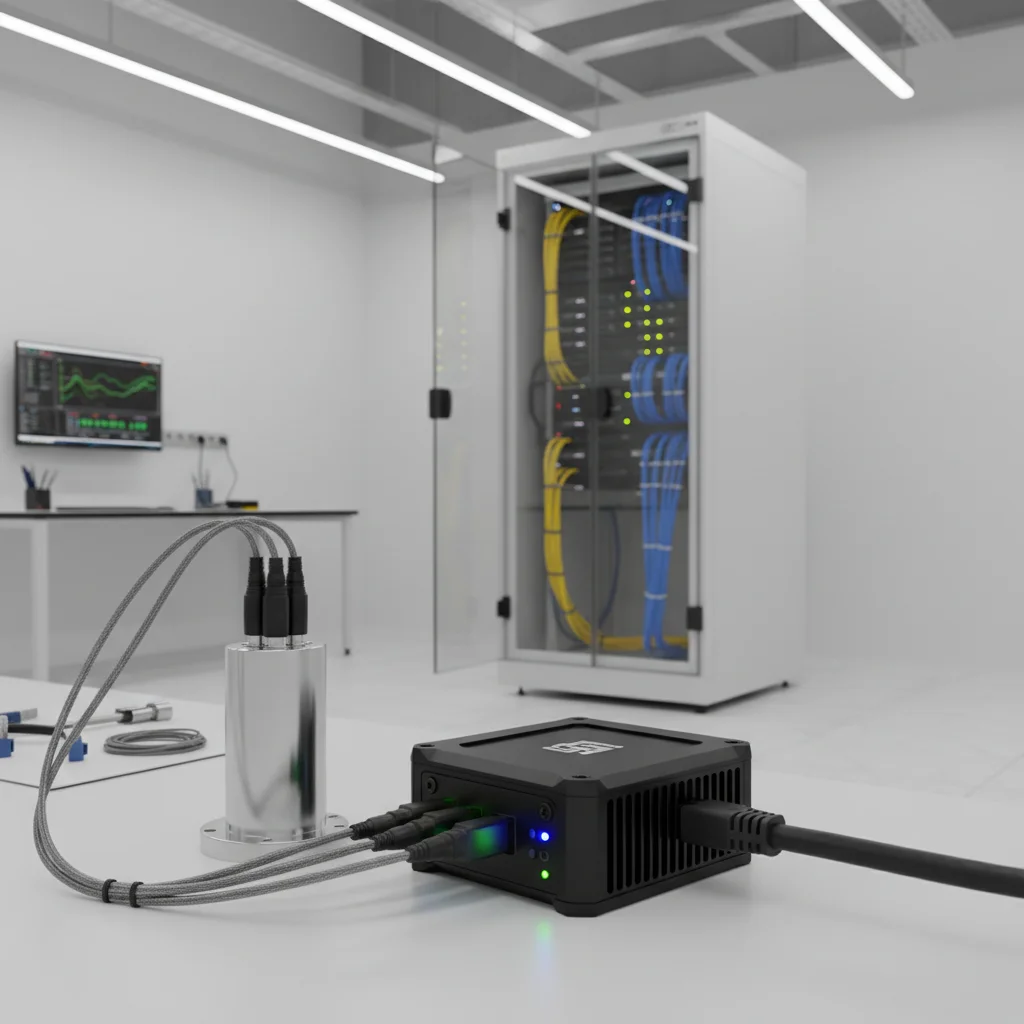
Based on your defined use cases and infrastructure assessment, choose appropriate edge devices, AI frameworks, and operating systems. Consider factors like processing power, environmental ruggedness, power consumption, and compatibility with existing systems. Partner with vendors who offer robust, scalable, and secure edge solutions.
Step 4: Develop and Train AI Models
This critical phase involves collecting and preparing data, training AI models (e.g., machine learning, deep learning) in the cloud or on powerful workstations, and then optimizing them for deployment on edge devices. Model optimization often involves techniques like quantization, pruning, and neural network architecture search (NAS) to reduce complexity and resource requirements while maintaining accuracy.
Step 5: Secure Deployment and Integration
Deploy the trained and optimized AI models to your chosen edge devices. This involves configuring the software, establishing secure communication channels, and integrating the edge AI system with your existing operational technology (OT) and information technology (IT) networks. Security must be a top priority at every layer, from hardware to software and network communication. Implement strong authentication, encryption, and access control mechanisms.
Step 6: Monitor, Manage, and Optimize
Once deployed, continuous monitoring of edge AI systems is essential. Track model performance, device health, and network connectivity. Establish mechanisms for remote management, over-the-air (OTA) updates for models and software, and troubleshooting. AI models can drift over time due to changes in operational conditions, so regular retraining and optimization are necessary to maintain accuracy and effectiveness.
Benefits of Edge AI Industrial Deployment for US Operations
The advantages of a successful Edge AI Industrial Deployment are profound and far-reaching, offering significant competitive benefits for US industrial operations:
- Enhanced Operational Efficiency: Real-time insights lead to faster decision-making, optimized resource allocation, and streamlined processes. Predictive maintenance, for instance, can reduce unexpected downtime by 20-50% and extend asset lifespan.
- Improved Product Quality: Automated visual inspection and defect detection at the edge can significantly reduce manufacturing errors and improve product consistency, leading to higher customer satisfaction and reduced rework costs.
- Increased Safety: Real-time monitoring of machinery and personnel can detect potential hazards and unsafe conditions immediately, enabling prompt intervention and preventing accidents.
- Reduced Costs: By optimizing energy consumption, minimizing waste, reducing downtime, and streamlining processes, Edge AI directly contributes to significant cost savings.
- Greater Data Security and Compliance: Localized data processing reduces the amount of sensitive information transmitted to the cloud, enhancing data privacy and simplifying compliance with regulations like GDPR or CCPA.
- Lower Latency and Higher Reliability: Processing data at the source eliminates network delays, crucial for time-sensitive applications and ensuring continuous operation even with intermittent cloud connectivity.
- Scalability and Flexibility: Edge AI architectures are inherently scalable, allowing organizations to deploy AI capabilities incrementally across various operational sites and adapt to changing business needs.
Challenges and Considerations for 2026
While the benefits are compelling, Edge AI Industrial Deployment is not without its challenges. Addressing these proactively will be key to successful adoption by 2026:
Integration Complexity
Integrating new Edge AI systems with existing legacy OT infrastructure can be complex. Many industrial facilities still rely on older, proprietary systems that were not designed for modern connectivity or AI integration. This requires careful planning, custom development, and often, the use of industrial gateways to bridge the gap.
Talent Gap
There is a significant shortage of skilled professionals who possess expertise in both AI/machine learning and industrial automation/OT. Companies will need to invest in training existing staff or hiring new talent with interdisciplinary skills to manage, deploy, and maintain Edge AI systems.
Data Governance and Management
While Edge AI reduces data transmission to the cloud, managing and governing the vast amounts of data generated at the edge still presents a challenge. Establishing clear policies for data collection, storage, access, and retention at the edge is crucial. Ensuring data quality for model training and preventing data silos are also important considerations.
Security at the Edge
Edge devices, by their nature, are more physically exposed and can be harder to patch and update than centralized cloud servers. This expands the attack surface. Robust cybersecurity strategies, including device authentication, encryption, intrusion detection, and regular vulnerability assessments, are paramount to protect Edge AI systems from cyber threats.
Cost of Initial Investment
The initial investment in Edge AI hardware, software, and integration can be substantial. Organizations need to conduct thorough return on investment (ROI) analyses and prioritize use cases that offer the most immediate and significant business value to justify the expenditure.
Future Trends and Outlook for Edge AI in US Industry (2026 and Beyond)
As we approach and move beyond 2026, several trends will shape the future of Edge AI Industrial Deployment in the US:
Increased Adoption of 5G and Private Networks
The rollout of 5G and the proliferation of private 5G/LTE networks will be a major catalyst for Edge AI. These networks provide the high bandwidth, low latency, and reliability needed to connect a massive number of edge devices and enable more sophisticated AI applications.
Democratization of AI Development
Low-code/no-code AI platforms and automated machine learning (AutoML) tools will make it easier for industrial engineers and domain experts (who may not be AI specialists) to develop, deploy, and manage AI models at the edge. This will accelerate adoption and innovation.
Rise of AI-as-a-Service at the Edge
Vendors will increasingly offer pre-trained AI models and specialized Edge AI solutions as a service, reducing the complexity and cost for industrial companies to implement AI. This will allow businesses to consume AI capabilities on demand without significant upfront investment in AI development.
Convergence of Edge AI and Digital Twins
The synergy between Edge AI and digital twin technology will deepen. Edge AI will feed real-time data and insights into digital twins, creating highly accurate virtual replicas of physical assets and processes. This will enable advanced simulation, optimization, and predictive capabilities, transforming how industrial operations are designed and managed.
Enhanced Human-Machine Collaboration
Edge AI will facilitate more intuitive and effective collaboration between humans and machines. This includes AI-powered augmented reality (AR) for maintenance, voice-controlled industrial robots, and intelligent personal assistants for factory workers, leading to improved productivity and safety.
Focus on Sustainability and Green AI
With increasing emphasis on environmental responsibility, Edge AI will play a crucial role in optimizing energy consumption, reducing waste, and improving resource efficiency in industrial processes. The focus will also extend to developing more energy-efficient AI models and hardware for edge deployments (Green AI).
Conclusion
The journey towards widespread Edge AI Industrial Deployment in US operations by 2026 is an exciting yet challenging one. It represents a fundamental shift in how industries leverage data and intelligence to drive efficiency, innovation, and competitive advantage. By meticulously planning, strategically investing in the right technologies, and fostering a culture of continuous learning and adaptation, US industrial companies can unlock the immense potential of Edge AI.
The future of industry is intelligent, connected, and operating at the edge. Embracing this transformation is not merely about adopting new technology; it’s about reimagining operational paradigms, empowering workforces, and securing a resilient and prosperous future for US industrial competitiveness on the global stage. The time to prepare for this edge-driven future is now.