
Cybersecurity Stocks in 2026: A Strategic Investment Deep Dive for US Portfolios
The digital frontier is constantly expanding, and with it, the threats that lurk within. As businesses, governments, and individuals become increasingly reliant on interconnected systems, the demand for robust cybersecurity solutions is skyrocketing. For savvy investors in the United States, understanding the landscape of cybersecurity stocks 2026 is not just prudent, but essential for capitalizing on one of the most resilient and growth-oriented sectors in the global economy. This comprehensive guide will delve into the critical factors driving the cybersecurity market, highlight key trends, identify promising sub-sectors, and offer a strategic roadmap for integrating these vital assets into your investment portfolio.
The Unstoppable Rise of Cybersecurity: Why 2026 Matters
The year 2026 is poised to be a pivotal moment for the cybersecurity industry. Several macro and micro trends are converging to create an unprecedented growth trajectory. The proliferation of IoT devices, the widespread adoption of cloud computing, the rise of remote work, and an ever-evolving threat landscape are all contributing to a sustained surge in demand for cybersecurity services and products. Companies are no longer viewing cybersecurity as merely an IT expense, but as a fundamental business imperative, a core component of risk management, and a differentiator in a competitive market.
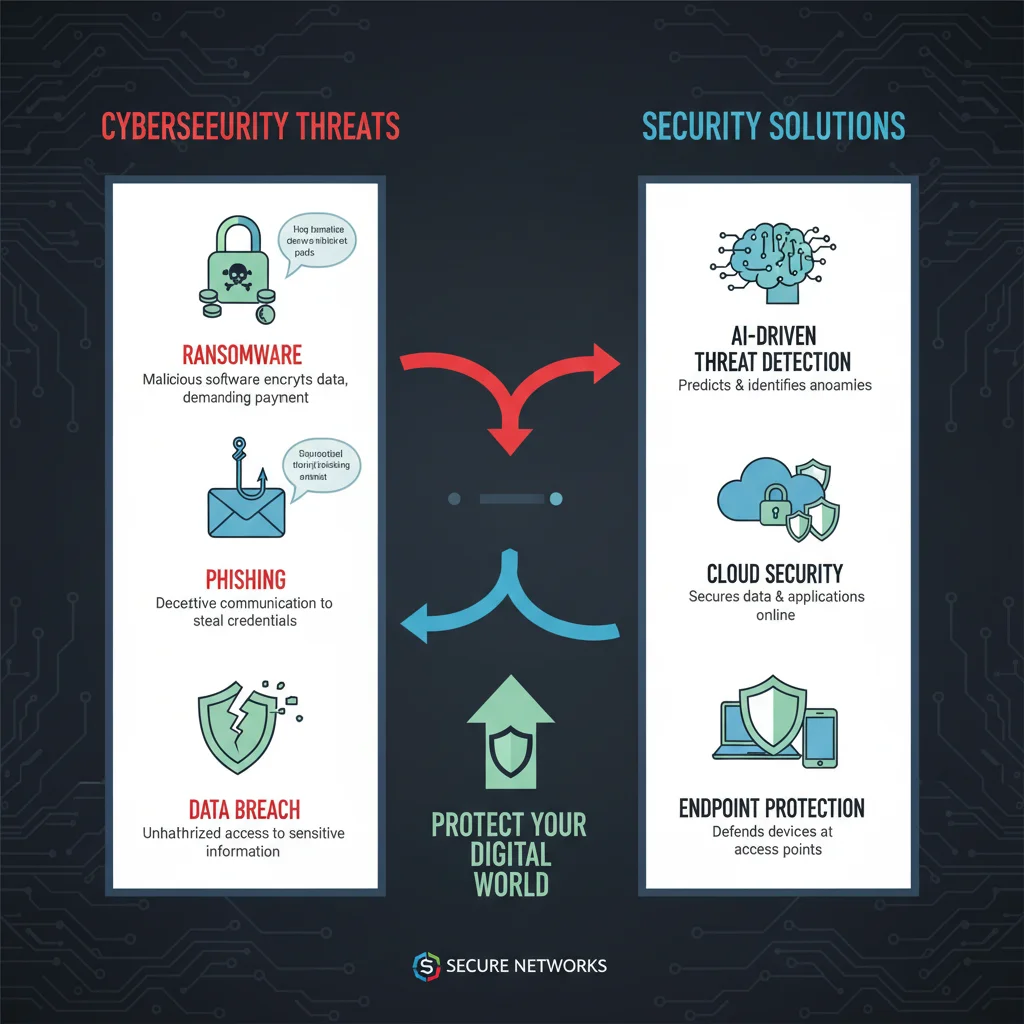
Consider the sheer volume and sophistication of cyberattacks. Ransomware attacks continue to cripple organizations, data breaches expose sensitive information at an alarming rate, and nation-state-sponsored hacking groups are constantly pushing the boundaries of digital warfare. These incidents, far from being isolated events, underscore the urgent need for advanced protective measures. This continuous arms race between attackers and defenders ensures a perpetual market for innovation and investment in the cybersecurity sector. For investors focusing on cybersecurity stocks 2026, this dynamic environment translates into consistent revenue streams and expanding market opportunities for companies at the forefront of defense.
Key Drivers Fueling Cybersecurity Growth Towards 2026:
- Digital Transformation Acceleration: Businesses across all sectors are undergoing rapid digital transformation, moving operations, data, and services online. This expanded digital footprint creates more attack surfaces, necessitating comprehensive cybersecurity solutions.
- Cloud Computing Dominance: The migration to cloud platforms (public, private, hybrid) is accelerating. Securing these complex, distributed environments requires specialized cloud security solutions, a significant growth area for cybersecurity stocks 2026.
- Remote Work Permanence: The shift to remote and hybrid work models has blurred traditional network perimeters, making endpoint security, identity and access management (IAM), and secure access service edge (SASE) solutions more critical than ever.
- IoT and OT Security: The explosion of Internet of Things (IoT) devices in consumer and industrial settings (Operational Technology – OT) presents new vulnerabilities. Securing these devices and the networks they operate on is a burgeoning market.
- Regulatory Compliance: Stricter data privacy regulations (e.g., GDPR, CCPA, and emerging US state laws) compel organizations to invest heavily in compliance-driven cybersecurity measures, creating a baseline demand.
- Sophisticated Threat Landscape: Adversaries are becoming more organized, sophisticated, and technologically advanced. This drives demand for AI/ML-powered threat detection, advanced persistent threat (APT) protection, and proactive threat intelligence.
Navigating the Cybersecurity Landscape: Sub-Sectors to Watch
The cybersecurity industry is not monolithic; it comprises various specialized sub-sectors, each addressing specific aspects of digital defense. A diversified approach across these sub-sectors can provide a more robust investment strategy for cybersecurity stocks 2026. Understanding these areas will help investors identify companies with strong competitive advantages and significant growth potential.
1. Cloud Security
As mentioned, cloud adoption is rampant. Companies specializing in securing cloud infrastructure, applications, and data are poised for substantial growth. This includes cloud access security brokers (CASBs), cloud workload protection platforms (CWPPs), and cloud security posture management (CSPM) solutions. Leading players in this space are constantly innovating to provide seamless security across multi-cloud environments.
2. Identity and Access Management (IAM)
With the rise of remote work and the need for zero-trust architectures, managing and verifying user identities is paramount. IAM solutions, including multi-factor authentication (MFA), single sign-on (SSO), privileged access management (PAM), and identity governance and administration (IGA), are foundational to modern security. Companies that excel in providing robust, user-friendly IAM solutions will see sustained demand.
3. Endpoint Security
Every laptop, smartphone, and server connected to a network is a potential entry point for attackers. Endpoint detection and response (EDR), extended detection and response (XDR), and next-generation antivirus (NGAV) solutions are critical for protecting these devices. As the workforce becomes more distributed, the importance of comprehensive endpoint protection only grows.
4. Network Security and SASE (Secure Access Service Edge)
Traditional network perimeters are dissolving. SASE, a converged security model that combines network security functions (firewall as a service, secure web gateway) with WAN capabilities, is gaining immense traction. Companies offering integrated SASE platforms are well-positioned to meet the evolving needs of distributed enterprises. Firewall providers are also adapting to this new paradigm.
5. Data Security and Privacy
Protecting sensitive data, both at rest and in transit, is a top priority. This sub-sector includes data loss prevention (DLP), encryption, data masking, and database security solutions. With increasing data regulations, the demand for robust data security tools will only intensify. For those looking at cybersecurity stocks 2026, companies with strong intellectual property in data encryption and privacy management are particularly attractive.
6. Security Operations and Threat Intelligence (SOAR/SIEM)
Security operations centers (SOCs) are overwhelmed by alerts. Security orchestration, automation, and response (SOAR) platforms, combined with security information and event management (SIEM) systems, help organizations efficiently detect, analyze, and respond to threats. Companies providing advanced threat intelligence and automated response capabilities are critical enablers for effective cybersecurity.

Identifying Promising Cybersecurity Stocks for 2026
Investing in cybersecurity stocks 2026 requires more than just identifying a strong sub-sector; it demands a deep dive into individual companies. While specific stock recommendations are beyond the scope of this article, we can outline characteristics of companies likely to thrive and provide examples of established players and emerging innovators. Remember to conduct your own due diligence and consider consulting a financial advisor.
Characteristics of Strong Cybersecurity Companies:
- Strong Recurring Revenue: Companies with high subscription-based models and strong customer retention demonstrate predictable revenue streams and stickiness.
- Innovation and R&D: The threat landscape constantly evolves, so companies that heavily invest in research and development to stay ahead of new threats are crucial. Look for firms with strong patent portfolios and a history of introducing cutting-edge solutions.
- Scalability and Integration: Solutions that can scale with growing enterprise needs and integrate seamlessly with existing IT infrastructure are highly valued.
- Broad Product Portfolio: Companies offering a comprehensive suite of security solutions, or specializing in a critical, high-growth niche, tend to be more resilient.
- Strong Management Team: Experienced leadership with a clear vision for growth and product development is a significant asset.
- Competitive Moat: Look for companies with network effects, proprietary technology, high switching costs for customers, or strong brand recognition.
- Healthy Financials: Consistent revenue growth, profitability (or a clear path to it), positive cash flow, and manageable debt are fundamental.
Examples of Companies to Research (Not Recommendations):
When considering cybersecurity stocks 2026, investors often look at a mix of established leaders and high-growth innovators. Here are some categories and examples of companies to begin your research:
- Cloud Security & SASE Leaders: Companies like Zscaler (ZS), CrowdStrike (CRWD), Palo Alto Networks (PANW) often lead discussions in these areas. They offer comprehensive, cloud-native security platforms that are becoming indispensable.
- Endpoint & XDR Innovators: CrowdStrike (CRWD) again stands out, along with SentinelOne (S), known for their AI-driven endpoint protection and extended detection and response capabilities.
- Identity & Access Management Specialists: Okta (OKTA) is a prominent player in identity management, offering solutions critical for secure access in modern enterprises. Ping Identity (PING) is another significant name in this space.
- Network Security Mainstays: While adapting, companies like Fortinet (FTNT) and Cisco (CSCO) continue to be major forces in network security, integrating next-gen firewall capabilities and expanding into SASE.
- Data Security & Privacy Focused: Publicly traded pure-play data security firms can be harder to find, as many capabilities are integrated into broader platforms. However, researching companies that provide robust encryption, DLP, or data governance tools, whether standalone or as part of a larger offering, is key.
- Managed Security Service Providers (MSSPs): While not always publicly traded pure-plays, companies that offer managed cybersecurity services are seeing increased demand, as many organizations lack the internal expertise. This can be an indirect play on the sector’s growth.
It’s crucial to evaluate each company’s specific product offerings, market share, growth potential, valuation, and competitive landscape. The cybersecurity market is dynamic, and new threats and solutions emerge constantly, requiring continuous monitoring.
Risks and Challenges in Cybersecurity Investments
While the outlook for cybersecurity stocks 2026 is largely positive, investors must be aware of potential risks and challenges. No investment is without its downsides, and understanding these can help in making more informed decisions and constructing a resilient portfolio.
1. Intense Competition:
The cybersecurity market is highly competitive, with a plethora of vendors ranging from established giants to nimble startups. This can lead to pricing pressures and a constant battle for market share, potentially eroding profit margins for some companies. Investors need to identify companies with clear competitive advantages and strong differentiation.
2. Rapid Technological Change:
The very nature of cybersecurity means constant evolution. What is cutting-edge today might be obsolete tomorrow. Companies must continuously innovate and adapt to new threats and technologies. Those that fail to do so risk losing relevance quickly. This requires significant R&D investment, which can impact short-term profitability.
3. Talent Shortage:
There is a significant global shortage of skilled cybersecurity professionals. This can drive up labor costs for cybersecurity companies and make it challenging to develop and deploy new solutions effectively. It also impacts clients’ ability to implement and manage sophisticated security tools, potentially slowing adoption.
4. Economic Downturns:
While often considered recession-resistant, cybersecurity spending can still be impacted during severe economic downturns as businesses might cut discretionary IT spending. However, the essential nature of security often makes it one of the last areas to be cut.
5. Valuation Concerns:
Many high-growth cybersecurity companies trade at premium valuations, reflecting their strong growth prospects. Investors need to be mindful of these valuations and ensure they are not overpaying, especially in a rising interest rate environment where growth stocks can face headwinds.
6. Integration Challenges:
Enterprises often use multiple cybersecurity vendors, leading to complex and sometimes disjointed security architectures. Companies that offer integrated, platform-based solutions that simplify management and improve efficacy are likely to gain an advantage.
Strategic Considerations for US Investors
For US investors specifically, there are additional layers of consideration when building a portfolio of cybersecurity stocks 2026.
1. Geopolitical Landscape:
Geopolitical tensions often translate into increased cyber warfare and espionage, directly boosting demand for cybersecurity. US-based companies, particularly those serving government and critical infrastructure sectors, can benefit from increased domestic spending on national security initiatives.
2. Government Contracts:
Many cybersecurity firms secure lucrative contracts with US federal, state, and local governments. These contracts can provide stable, long-term revenue streams. Researching companies with a strong track record in government sales can be a valuable strategy.
3. Data Sovereignty and Regulations:
The US regulatory environment, including new state-level privacy laws and federal mandates, will continue to shape the demand for specific cybersecurity solutions. Companies that are experts in navigating and enabling compliance with these regulations will have a competitive edge.
4. Dollar Strength and Global Reach:
Many leading US cybersecurity firms have a significant international presence. A strong US dollar can impact their overseas earnings when repatriated, but their global reach also provides diversification and access to broader growth markets.
Building a Resilient Cybersecurity Portfolio for 2026
Constructing a well-diversified portfolio of cybersecurity stocks 2026 involves a thoughtful approach. Here are some tips:
- Diversify Across Sub-Sectors: Don’t put all your eggs in one basket. Invest in companies across different cybersecurity domains (cloud, IAM, endpoint, network, data) to mitigate risk and capture growth from various angles.
- Balance Growth and Value: While many cybersecurity stocks are growth-oriented, consider balancing your portfolio with some more established, profitable companies that offer stability, alongside high-growth innovators.
- Consider ETFs: For investors who prefer a diversified approach without picking individual stocks, cybersecurity-focused Exchange Traded Funds (ETFs) can offer exposure to a basket of leading cybersecurity companies. Examples include HACK, CIBR, and BUG.
- Long-Term Horizon: Cybersecurity is a long-term growth story. Be prepared to hold these investments for several years to fully realize their potential. Market volatility is expected, but the underlying demand for cybersecurity is persistent.
- Stay Informed: The cybersecurity landscape changes rapidly. Regularly review industry news, company earnings, and analyst reports to stay updated on market trends and company performance.
The Future is Secure: A Concluding Outlook
The trajectory for cybersecurity stocks 2026 is undeniably upward. The increasing digitization of virtually every aspect of life and business guarantees a sustained and growing demand for robust security solutions. While challenges exist, the innovative spirit of the industry, coupled with the critical need for protection against ever-evolving threats, positions cybersecurity as a cornerstone of modern investment portfolios.
For US investors, a strategic deep dive into this sector reveals numerous opportunities. By understanding the key drivers, identifying promising sub-sectors, scrutinizing company fundamentals, and acknowledging the associated risks, investors can build a resilient and rewarding portfolio that capitalizes on the imperative of digital defense. The future is digital, and securing that future is where significant investment returns lie.
Disclaimer: This article is for informational purposes only and does not constitute financial advice. Investors should conduct their own research and consult with a qualified financial advisor before making any investment decisions.