US AI Regulation: Compliance Deadlines for Tech Leaders by June 2026

The dawn of Artificial Intelligence (AI) has ushered in an era of unprecedented innovation and transformative potential. From revolutionizing industries to enhancing daily life, AI’s impact is undeniable. However, with great power comes great responsibility, and governments worldwide are grappling with how to regulate this rapidly evolving technology. In the United States, the regulatory landscape for AI is shifting dramatically, and tech leaders face a critical juncture. By June 2026, a series of impending regulations are set to reshape how AI is developed, deployed, and managed across various sectors. Failing to understand and comply with these new mandates could lead to significant penalties, reputational damage, and a loss of competitive edge.
This comprehensive guide is designed to equip tech leaders with the essential knowledge needed to navigate the complex world of US AI Regulation. We will delve into the current legislative environment, highlight key policies and their implications, and provide actionable strategies to ensure your organization is not only compliant but also positioned for future success in an ethically and legally sound manner. The timeline is tight, and the stakes are high. Proactive engagement and strategic planning are no longer optional but imperative.
The Evolving Landscape of US AI Regulation: Why June 2026 is Crucial
The United States, traditionally a leader in technological innovation, has adopted a multifaceted approach to AI regulation, often characterized by a blend of executive actions, agency guidance, and burgeoning legislative efforts. Unlike the European Union’s comprehensive AI Act, the US strategy is more sector-specific and risk-based, reflecting the diverse applications and potential impacts of AI across its vast economy. However, this fragmented approach does not diminish the urgency. In fact, it often complicates compliance, requiring organizations to monitor multiple regulatory bodies and understand overlapping requirements.
The June 2026 deadline is not a single, monolithic legislative enactment but rather a convergence of various regulatory initiatives that are expected to solidify and come into full effect around that time. This includes, but is not limited to, the implementation of directives stemming from President Biden’s Executive Order on the Safe, Secure, and Trustworthy Development and Use of Artificial Intelligence, proposed legislation in Congress, and updated guidance from federal agencies like the National Institute of Standards and Technology (NIST), the Federal Trade Commission (FTC), and the Equal Employment Opportunity Commission (EEOC).
Understanding the nuances of US AI Regulation is paramount. The focus is increasingly on accountability, transparency, fairness, and data privacy. Companies deploying AI systems, especially those deemed ‘high-risk,’ will face heightened scrutiny. High-risk applications typically include AI used in critical infrastructure, healthcare, law enforcement, employment decisions, and financial services. The potential for bias, discrimination, and privacy breaches in these areas is a major concern for regulators, and mitigating these risks will be a cornerstone of future compliance.
Key Drivers Behind the Regulatory Push
Several factors are accelerating the push for robust US AI Regulation:
- Ethical Concerns: Growing public awareness and concern about AI’s ethical implications, particularly regarding bias, discrimination, and opaque decision-making processes.
- National Security: The strategic importance of AI for national security and defense, coupled with concerns about foreign adversaries exploiting AI vulnerabilities.
- Economic Stability: The potential for AI to disrupt labor markets, create new monopolies, and impact economic stability.
- Data Privacy: The increasing volume of data processed by AI systems raises significant privacy concerns, building on existing regulations like CCPA and HIPAA.
- International Alignment: While distinct, US efforts are also influenced by global regulatory trends, particularly from the EU, to foster interoperability and prevent regulatory arbitrage.
The confluence of these factors means that by June 2026, the regulatory framework will likely be far more defined and enforceable than it is today. Tech leaders who fail to anticipate and adapt to these changes risk facing substantial legal, financial, and reputational repercussions.
President Biden’s Executive Order: A Foundation for US AI Regulation
President Biden’s Executive Order (EO) on AI, issued in October 2023, serves as a foundational document for much of the impending US AI Regulation. This comprehensive order outlines a whole-of-government approach to AI, directing various federal agencies to establish new standards, guidelines, and best practices. While an EO is not a law, it sets a clear policy direction and compels federal agencies to act, often laying the groundwork for future legislation.
Key Pillars of the Executive Order and Their Implications:
- Safety and Security: The EO mandates that developers of powerful AI systems (those posing national security, economic, or public health risks) report their training data and safety test results to the government. This includes a requirement for the Department of Commerce to develop guidelines for red-teaming AI systems to identify and mitigate risks.
- Innovation and Competition: The order emphasizes promoting innovation while ensuring fair competition. It directs agencies to support AI research and development, particularly for responsible AI, and to monitor potential anti-competitive practices in the AI market.
- Privacy Protection: Recognizing the data-intensive nature of AI, the EO calls for agencies to prioritize the development and use of privacy-enhancing technologies (PETs). It also directs the Attorney General to provide guidance on how to use PETs to safeguard privacy while enabling AI innovation.
- Equity and Civil Rights: A significant focus of the EO is on preventing AI from exacerbating discrimination and bias. It directs agencies like the Department of Justice and the EEOC to provide guidance and develop best practices to ensure AI systems are used fairly, particularly in areas like housing, employment, and justice.
- Consumer Protection: The EO tasks the FTC with using its existing authority to protect consumers from deceptive or unfair AI practices, including those related to deepfakes and AI-generated content.
- Workforce Impact: It also addresses the impact of AI on the American workforce, directing the Department of Labor to assess the effects of AI on jobs and to develop strategies to support workers through AI transition.
- International Leadership: The EO stresses the importance of US leadership in shaping global norms and standards for responsible AI development and use.
For tech leaders, the EO signals a clear intent from the highest levels of government to actively shape the AI landscape. Companies should view this as a roadmap for future US AI Regulation. The directives within the EO will translate into concrete actions by federal agencies, leading to new rules, standards, and enforcement mechanisms that will be in full swing by June 2026.
NIST’s AI Risk Management Framework: A Practical Guide
One of the most practical and influential developments in US AI Regulation is the National Institute of Standards and Technology’s (NIST) AI Risk Management Framework (AI RMF). Published in January 2023, the AI RMF provides a voluntary yet highly influential guide for organizations to manage the risks associated with AI systems. While voluntary, it is widely expected to become a de facto standard, much like NIST’s Cybersecurity Framework, and its principles are likely to be incorporated into future mandatory regulations.

Core Components of the NIST AI RMF:
The framework is structured around four core functions:
- Govern: Establish an organizational culture of risk management, outlining policies, processes, and responsibilities for managing AI risks. This includes defining risk tolerance and allocating resources.
- Map: Identify and understand the context in which AI systems are developed and deployed, including potential risks, impacts, and benefits. This involves data collection, system design, and deployment environment analysis.
- Measure: Evaluate, analyze, and track AI risks and their impacts. This includes developing metrics, testing for bias, and assessing performance over time.
- Manage: Prioritize, respond to, and recover from AI risks. This involves implementing controls, developing mitigation strategies, and establishing incident response plans.
By June 2026, organizations that have proactively adopted and integrated the NIST AI RMF into their AI development lifecycle will be significantly better prepared for mandatory US AI Regulation. The framework provides a structured approach to identifying, assessing, and mitigating AI-related risks, which aligns perfectly with the current trajectory of regulatory efforts focusing on responsible AI.
Sector-Specific Regulations and Agency Guidance
Beyond the overarching Executive Order and NIST framework, tech leaders must also pay close attention to sector-specific US AI Regulation and guidance from various federal agencies. These are often where the rubber meets the road for specific industries.
Key Agencies and Their AI Focus:
- Federal Trade Commission (FTC): The FTC has been actively warning companies against deceptive or unfair AI practices, including algorithmic bias, misleading AI-generated content, and unfair data collection. They have emphasized using existing consumer protection laws to address AI-related harms. By June 2026, expect more aggressive enforcement actions and clearer guidelines on fair AI practices, especially in advertising and consumer services.
- Equal Employment Opportunity Commission (EEOC): The EEOC focuses on preventing AI from perpetuating discrimination in employment decisions. This includes AI tools used for hiring, performance evaluations, and promotion. They have issued guidance on how existing anti-discrimination laws apply to AI. Companies using AI in HR must ensure their systems are fair, transparent, and do not lead to disparate impact or treatment.
- Department of Justice (DOJ): The DOJ is concerned with AI’s impact on civil rights and justice systems. They are exploring how AI can be used in law enforcement and the courts while upholding due process and preventing bias. Their focus includes algorithmic fairness in predictive policing and sentencing.
- Department of Health and Human Services (HHS) and FDA: For AI in healthcare, the FDA is developing regulatory frameworks for AI/Machine Learning-based medical devices, focusing on safety, efficacy, and continuous learning. HHS is looking at AI’s role in health equity, privacy (under HIPAA), and clinical decision support. Companies in MedTech and health AI face stringent requirements for validation and transparency.
- Department of Commerce: Beyond NIST, the Department of Commerce is involved in various aspects, including export controls for critical AI technologies and promoting US AI competitiveness.
The fragmented nature of US AI Regulation means that a company operating in multiple sectors might be subject to different sets of rules and guidelines from various agencies. This necessitates a comprehensive, enterprise-wide approach to AI governance rather than siloed efforts.
Potential Penalties for Non-Compliance
The consequences of failing to comply with emerging US AI Regulation by June 2026 can be severe and multifaceted:
- Financial Penalties: Fines can be substantial, similar to those seen in data privacy violations. Agencies like the FTC have broad enforcement powers, and new legislation could introduce even higher penalties specific to AI.
- Legal Liabilities: Non-compliant AI systems could lead to lawsuits from individuals or classes of individuals harmed by biased algorithms, privacy breaches, or other AI-induced issues.
- Reputational Damage: Public scrutiny and media coverage of AI failures or ethical breaches can severely damage a company’s brand, erode consumer trust, and lead to a loss of market share.
- Operational Disruptions: Regulatory enforcement actions can lead to injunctions, requiring companies to cease using non-compliant AI systems, resulting in significant operational disruptions and costs.
- Loss of Competitive Advantage: Companies that are slow to adapt may find themselves unable to deploy new AI solutions, while compliant competitors gain an advantage.
- Export Restrictions: For certain advanced AI technologies, non-compliance with export controls could limit international market access.
These penalties underscore the importance of treating AI compliance as a strategic business imperative, not just a legal afterthought.
Strategic Imperatives for Tech Leaders: Preparing by June 2026
Given the rapidly approaching deadlines and the complexity of US AI Regulation, tech leaders must act decisively. Here are strategic imperatives to ensure your organization is prepared:
1. Establish an AI Governance Framework:
Implement a robust internal AI governance framework that aligns with principles like those in the NIST AI RMF. This framework should define roles and responsibilities, establish clear policies for AI development and deployment, and create mechanisms for ongoing oversight. This isn’t just about compliance; it’s about responsible innovation.
2. Conduct Comprehensive AI Risk Assessments:
Identify all AI systems currently in use or under development within your organization. For each system, conduct thorough risk assessments to identify potential harms, including bias, privacy risks, security vulnerabilities, and transparency issues. Prioritize high-risk applications for immediate attention.
3. Implement Bias Detection and Mitigation Strategies:
Bias is a central concern in US AI Regulation. Develop and implement technical and procedural safeguards to detect, measure, and mitigate algorithmic bias. This includes diverse training data, regular audits, and fairness metrics. Document your efforts diligently.
4. Enhance Transparency and Explainability:
Where appropriate, strive for greater transparency and explainability in your AI systems. This means being able to articulate how an AI system arrives at a decision, especially in critical applications. While full explainability for complex models can be challenging, providing clear rationales and impact assessments will be crucial.
5. Strengthen Data Privacy and Security Measures:
Review and enhance your data privacy and security protocols specifically for AI systems. This includes data minimization, anonymization techniques, secure data storage, and compliance with existing and forthcoming privacy regulations. The intersection of AI and privacy will be a major area of regulatory focus.
6. Invest in AI Ethics Training and Awareness:
Foster a culture of responsible AI throughout your organization. Provide training for AI developers, data scientists, and product managers on ethical AI principles, regulatory requirements, and best practices. Everyone involved in AI needs to understand their role in ensuring compliance.
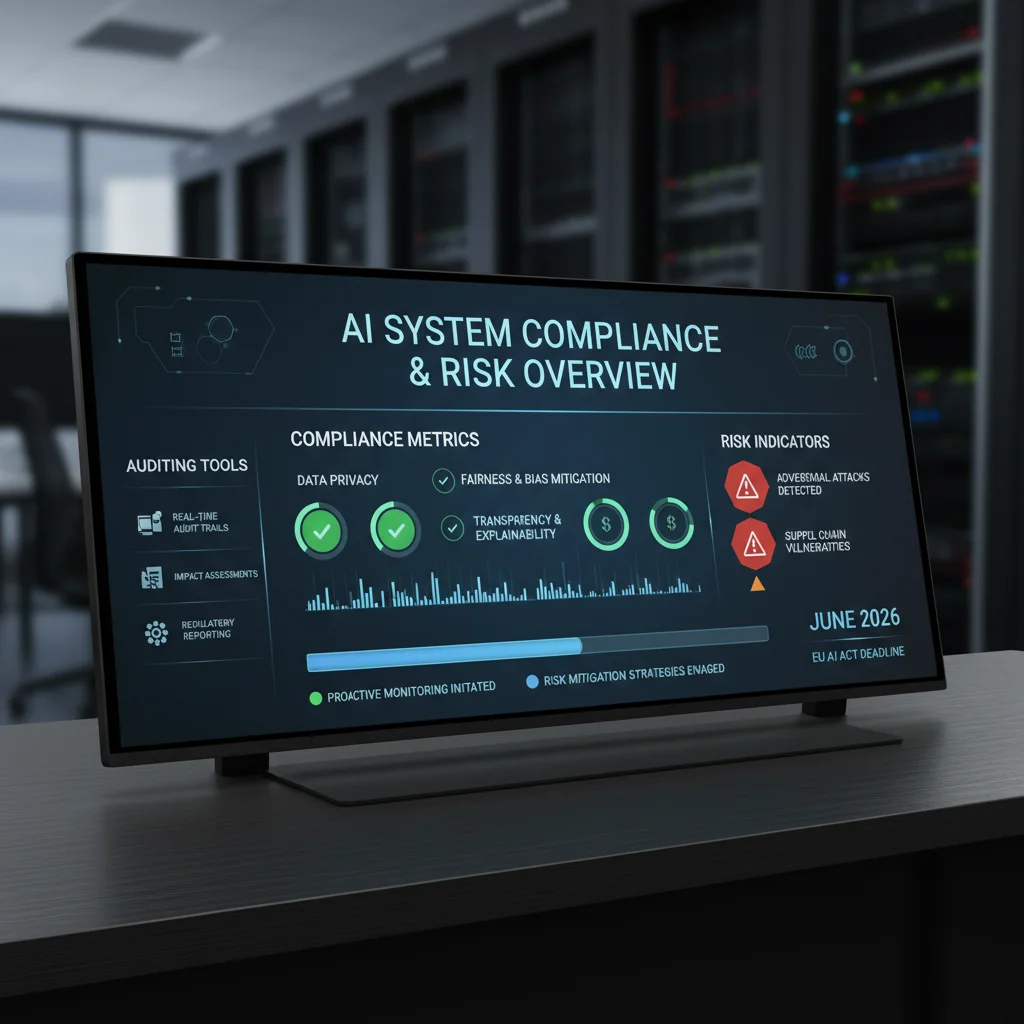
7. Monitor the Regulatory Landscape Continuously:
The US AI Regulation landscape is dynamic. Assign a dedicated team or individual to continuously monitor legislative developments, agency guidance, and enforcement actions. Engage with industry associations and legal counsel to stay abreast of changes.
8. Prepare for Audits and Documentation:
Anticipate that regulators will require evidence of your compliance efforts. Maintain thorough documentation of your AI development processes, risk assessments, mitigation strategies, and testing results. This transparency will be vital during audits.
9. Engage with Policy Makers:
Consider engaging proactively with policymakers and contributing to the development of responsible AI standards. Your industry insights can help shape effective and practical regulations, benefiting both your organization and the broader AI ecosystem.
10. Prioritize Cross-Functional Collaboration:
AI compliance is not solely an IT or legal issue. It requires collaboration across legal, engineering, product development, ethics, and business units. Establish cross-functional teams to tackle AI governance comprehensively.
The Future Beyond June 2026
While June 2026 marks a critical inflection point for US AI Regulation, it is by no means the end of the journey. The regulatory environment for AI will continue to evolve as the technology itself advances and its societal impacts become clearer. Tech leaders must adopt a mindset of continuous adaptation and improvement.
Looking ahead, we can anticipate several trends:
- Increased Harmonization: While the US approach is fragmented, there will likely be increasing efforts to harmonize regulations across states and federal agencies, and potentially with international standards.
- Focus on AI Liability: Expect more clarity on who is liable when an AI system causes harm – the developer, deployer, or user.
- Sector-Specific Deep Dives: Regulations will likely become even more granular within specific high-risk sectors, addressing unique challenges in areas like autonomous vehicles, financial trading, and medical diagnostics.
- Global Interoperability: As AI becomes more global, the need for international regulatory interoperability will grow, influencing US policy.
- Ethical AI by Design: The concept of ‘Responsible AI by Design’ will move from a best practice to a regulatory expectation, requiring ethical considerations to be embedded from the initial stages of AI development.
The period leading up to June 2026 is an opportunity for tech leaders to not only ensure compliance but also to embed ethical AI principles into the very fabric of their organizations. By doing so, they can build trust with consumers, foster responsible innovation, and secure a leading position in the future of AI.
Conclusion: A Call to Action for Tech Leaders
The clock is ticking. The impending wave of US AI Regulation by June 2026 represents a significant paradigm shift for the tech industry. For too long, AI innovation has outpaced regulatory oversight. That era is drawing to a close. Tech leaders who embrace this change proactively, integrating robust AI governance, risk management, and ethical considerations into their core operations, will be the ones who thrive.
Ignoring these developments is not an option. The potential for severe penalties, legal liabilities, and reputational damage is too high. Instead, view this as an opportunity to solidify your organization’s commitment to responsible technology, build resilient AI systems, and enhance public trust. Start your preparations today, engage your teams, and consult with experts. The future of AI is not just about technological advancement, but also about building a future where AI serves humanity safely, securely, and ethically. By June 2026, ensure your organization is not just compliant, but a leader in this critical endeavor.