Advanced Materials 2026: Driving Innovation & 10% Waste Reduction in US Manufacturing
Advanced Materials for 2026: Driving Innovation and Reducing Production Waste by 10% in US Manufacturing
The landscape of US manufacturing is on the cusp of a profound transformation, driven by the relentless pursuit of efficiency, sustainability, and technological superiority. At the heart of this evolution lies the burgeoning field of advanced materials. These innovative substances, engineered with superior properties and functionalities, are not merely components; they are the catalysts for a new era of industrial prowess. By 2026, the integration of Advanced Materials Manufacturing is projected to be a cornerstone in achieving a critical national objective: a significant reduction in production waste, ideally by 10% or more, while simultaneously propelling innovation across diverse sectors.
This article will delve into the multifaceted impact of advanced materials, exploring how they are reshaping design, production processes, and end-of-life considerations for manufactured goods. We will examine the key trends, challenges, and opportunities that define this exciting frontier, providing a comprehensive outlook on how the US can leverage these materials to secure a competitive edge in the global market, foster environmental stewardship, and build a more resilient industrial future.
The Imperative for Innovation in US Manufacturing
For decades, US manufacturing has navigated a complex global environment, facing pressures from international competition, evolving consumer demands, and increasing regulatory scrutiny. The traditional paradigms of production are proving insufficient to meet the demands of the 21st century. This necessitates a radical shift towards more agile, efficient, and sustainable practices. Innovation, therefore, is not a luxury but an existential imperative. And at the core of this innovation lies the strategic adoption of Advanced Materials Manufacturing.
The drive for innovation is fueled by several factors:
- Global Competitiveness: To maintain and enhance its position as a global leader, the US must continually push the boundaries of what is possible in manufacturing, offering products that are not only superior in quality but also cost-effective and environmentally sound.
- Resource Scarcity: Finite natural resources necessitate a move towards materials that are more durable, recyclable, or derived from renewable sources.
- Environmental Responsibility: Growing awareness of climate change and pollution demands manufacturing processes that minimize environmental footprint, particularly in terms of waste generation.
- Consumer Demand: Modern consumers are increasingly sophisticated, seeking products that are high-performing, aesthetically pleasing, and ethically produced.
- National Security: A robust domestic manufacturing base, underpinned by advanced materials, is crucial for national security and supply chain resilience.
Advanced materials offer solutions to these challenges by enabling the creation of products with unprecedented properties, such as lighter weight, increased strength, enhanced durability, and novel functionalities. This, in turn, opens doors for entirely new product categories and transforms existing ones, driving economic growth and creating high-value jobs.
Defining Advanced Materials: Beyond the Conventional
What exactly constitutes an advanced material? Unlike traditional materials like steel, aluminum, or conventional plastics, advanced materials are engineered at a molecular or atomic level to possess superior or unique properties. Their development often involves sophisticated scientific research and cutting-edge manufacturing techniques.
Key characteristics of advanced materials include:
- Tailored Properties: They can be designed to exhibit specific characteristics such as extreme strength-to-weight ratios, enhanced conductivity (electrical or thermal), superior corrosion resistance, self-healing capabilities, or biodegradability.
- Performance Enhancement: They often outperform conventional materials in terms of durability, efficiency, and functionality.
- Novel Applications: Their unique properties enable applications previously deemed impossible, from aerospace components to biomedical implants and advanced electronics.
- Sustainability Potential: Many advanced materials are developed with sustainability in mind, offering lighter alternatives that reduce fuel consumption, longer lifespans that reduce replacement frequency, or inherent recyclability.
Categories of advanced materials include:
- Composites: Materials made from two or more constituent materials with significantly different physical or chemical properties, which remain separate and distinct at the macroscopic or microscopic level within the finished structure. Examples include carbon fiber reinforced polymers (CFRPs) and fiberglass.
- Nanomaterials: Materials engineered at the nanoscale (1 to 100 nanometers), exhibiting unique mechanical, electrical, optical, and chemical properties. Graphene and carbon nanotubes are prominent examples.
- Biomaterials: Materials designed to interact with biological systems, used in medical implants, drug delivery systems, and tissue engineering.
- Smart Materials: Materials that respond to external stimuli (temperature, light, electric fields) by changing their properties. Shape memory alloys and piezoelectric materials fall into this category.
- Advanced Ceramics: Ceramics engineered for high-performance applications, offering exceptional hardness, heat resistance, and chemical inertness.
- Additive Manufacturing Materials: Powders, filaments, and resins specifically designed for 3D printing, enabling complex geometries and customized properties.
The selection and application of these materials are critical to achieving the dual goals of innovation and waste reduction in Advanced Materials Manufacturing.
The Role of Advanced Materials in Reducing Production Waste by 10%
The target of a 10% reduction in production waste by 2026 is ambitious yet achievable, largely thanks to the transformative potential of advanced materials. Waste in manufacturing can manifest in various forms: material scraps, energy consumption, water usage, and emissions. Advanced materials offer solutions across these dimensions.
1. Material Efficiency and Reduced Scrap
Many advanced materials enable more precise manufacturing processes, leading to less material waste. For instance:
- Additive Manufacturing (3D Printing): This ‘add-on’ process builds objects layer by layer, only using the necessary material, significantly reducing the scrap associated with subtractive manufacturing (e.g., machining). This is a game-changer for complex parts.
- Near-Net-Shape Manufacturing: Techniques like advanced casting, forging, and powder metallurgy produce components very close to their final dimensions, minimizing the need for extensive machining and subsequent material removal.
- High-Performance Composites: While their initial production might involve some waste, their superior strength-to-weight ratio often means less material is needed for a given structural integrity, leading to lighter products and reduced material consumption over the product lifecycle.
2. Enhanced Durability and Longevity
Products made from advanced materials often have significantly longer lifespans due to their superior resistance to wear, corrosion, and fatigue. This directly translates to:
- Reduced Replacement Cycles: Durable products need to be replaced less frequently, reducing the demand for new manufacturing and the associated waste.
- Lower Maintenance: Materials with self-healing properties or extreme resistance to environmental degradation can drastically cut down on maintenance-related waste, such as discarded parts or hazardous repair materials.
3. Lightweighting for Energy Efficiency
One of the most significant contributions of advanced materials, particularly composites and advanced alloys, is their ability to enable lightweighting. Reducing the weight of vehicles (automotive, aerospace) directly translates to:
- Lower Fuel Consumption: Lighter vehicles require less energy to move, reducing greenhouse gas emissions and the consumption of fossil fuels during their operational life.
- Reduced Material Input for Support Structures: Lighter components can also mean less robust (and thus less material-intensive) support structures are needed, creating a cascading effect of waste reduction across the supply chain.
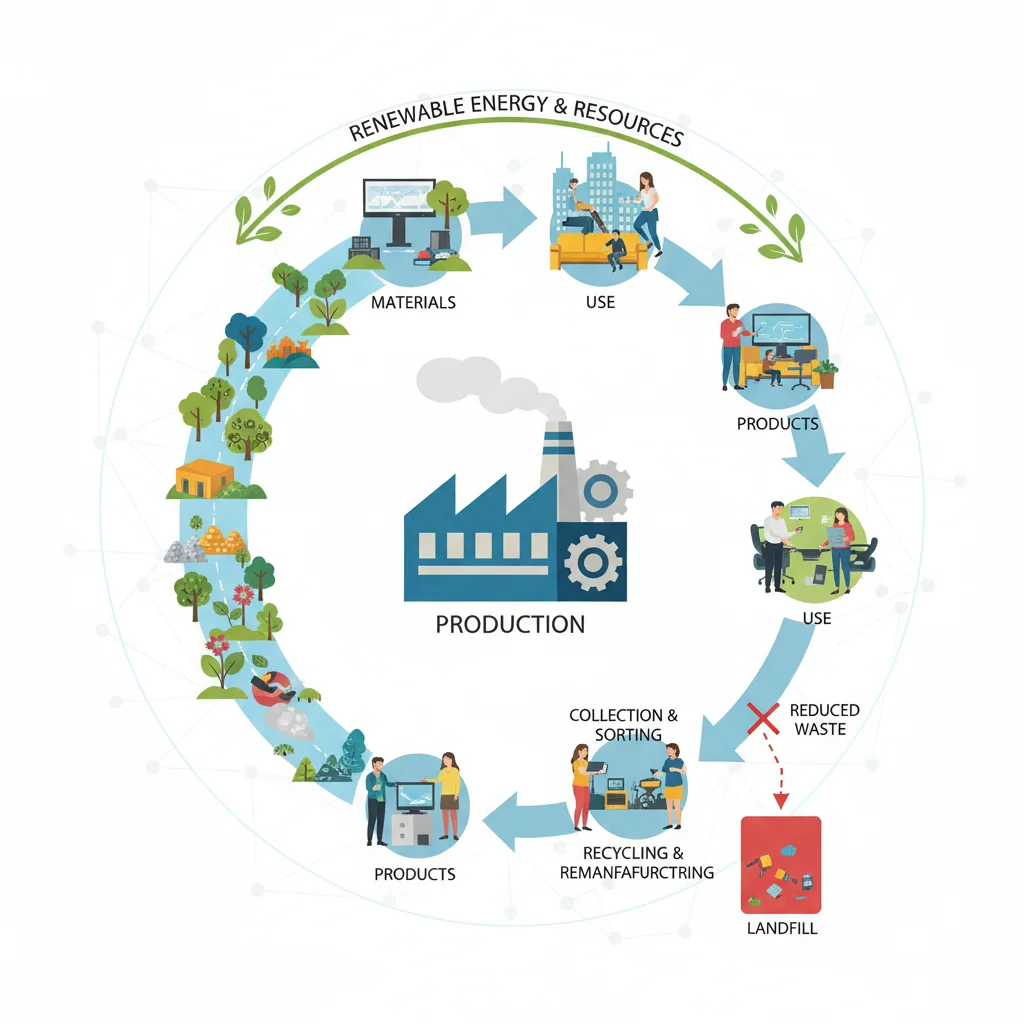
4. Facilitating Recycling and Circular Economy
The design of advanced materials increasingly incorporates principles of the circular economy, focusing on recyclability and reusability from the outset.
- Recyclable Composites: Research is ongoing to develop composites that can be more easily deconstructed and their constituent materials reused.
- Bio-based and Biodegradable Materials: These materials offer alternatives to traditional plastics, reducing reliance on fossil fuels and minimizing landfill waste at the end of a product’s life.
- Material Informatics: Advanced data analytics and AI are used to track material flows, identify opportunities for recycling, and optimize material selection for end-of-life considerations.

Key Advanced Materials Driving the Change
Several classes of advanced materials are at the forefront of this manufacturing revolution:
a. Carbon Fiber Composites
Known for their exceptional strength-to-weight ratio, carbon fiber reinforced polymers (CFRPs) are already extensively used in aerospace, automotive, and sporting goods. Their continued adoption in Advanced Materials Manufacturing will lead to significantly lighter structures, reducing fuel consumption and operational costs. Ongoing research focuses on improving their recyclability and reducing production costs to enable wider application.
b. Advanced High-Strength Steels (AHSS) and Aluminum Alloys
While not entirely ‘new,’ continuous innovation in metallurgy has led to AHSS and advanced aluminum alloys that offer superior strength, ductility, and formability. These materials allow for thinner gauges and lighter designs in automotive bodies and structural components, contributing to both weight reduction and improved safety.
c. Nanomaterials (e.g., Graphene, Carbon Nanotubes)
These materials, engineered at the atomic scale, possess extraordinary properties. Graphene, for instance, is the strongest known material and an excellent conductor. Their integration can lead to ultra-light, ultra-strong components, enhanced sensors, and more efficient energy storage devices, all contributing to resource efficiency and reduced material usage.
d. Self-Healing Polymers and Coatings
Materials that can autonomously repair damage extend the lifespan of products, reducing the need for costly and resource-intensive repairs or replacements. Imagine a car coating that repairs minor scratches or a pipe that fixes its own cracks, significantly cutting down on waste and maintenance.
e. Bio-based and Biodegradable Plastics
As concerns over plastic pollution grow, bio-based and biodegradable plastics offer a sustainable alternative. Derived from renewable resources like corn starch or sugarcane, they can reduce reliance on fossil fuels and decompose naturally at the end of their life cycle, minimizing landfill burden. The challenge lies in scaling production and ensuring their performance matches that of conventional plastics.
Technological Enablers for Advanced Materials Manufacturing
The successful integration of advanced materials is intrinsically linked to advancements in manufacturing technologies. The synergy between material science and cutting-edge production methods is crucial for realizing the full potential of Advanced Materials Manufacturing.
1. Additive Manufacturing (3D Printing)
As previously mentioned, 3D printing is a revolutionary technology for advanced materials. It enables the creation of highly complex geometries with minimal waste, customized parts on demand, and rapid prototyping. This technology is particularly adept at handling advanced polymers, metals, and ceramics, allowing for intricate designs previously impossible with traditional methods.
2. Advanced Robotics and Automation
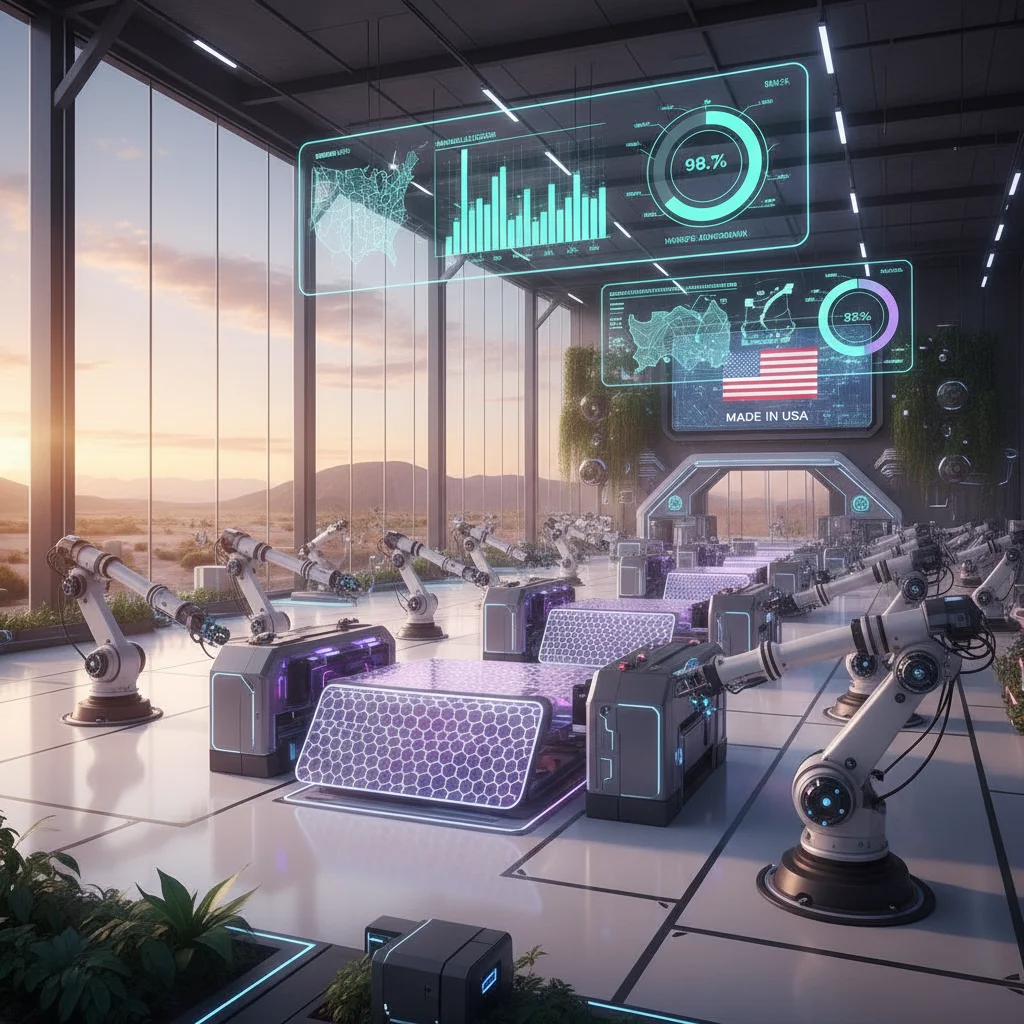
Robots are becoming increasingly sophisticated, capable of handling delicate advanced materials with precision and consistency. This reduces human error, improves quality, and optimizes material usage, leading to less rework and scrap. Automation also plays a key role in the efficient processing of complex composite layups and intricate assembly tasks.
3. Artificial Intelligence (AI) and Machine Learning (ML)
AI and ML are transforming material discovery, process optimization, and quality control. They can predict material properties, simulate manufacturing processes to identify inefficiencies, and analyze real-time production data to minimize defects and waste. This data-driven approach is critical for optimizing the entire lifecycle of Advanced Materials Manufacturing, from design to end-of-life.
4. Digital Twins and Simulation
Creating digital replicas of physical products and processes allows manufacturers to test designs, optimize performance, and simulate manufacturing runs in a virtual environment before committing to physical production. This reduces costly errors, material waste from prototypes, and accelerates time to market.
5. Advanced Characterization and Inspection Techniques
The complex nature of advanced materials requires sophisticated methods for quality assurance. Non-destructive testing (NDT) techniques, advanced microscopy, and spectroscopy ensure that materials meet specifications, preventing the production of faulty parts that would otherwise become waste.
Overcoming Challenges in Advanced Materials Adoption
Despite the immense potential, the widespread adoption of Advanced Materials Manufacturing faces several hurdles:
- Cost: Many advanced materials are significantly more expensive than their traditional counterparts, both in raw material form and processing. This can be a barrier for small and medium-sized enterprises (SMEs).
- Scalability: Moving from lab-scale production to industrial-scale manufacturing can be challenging, requiring significant investment in new equipment and processes.
- Complexity: Processing advanced materials often requires specialized knowledge, equipment, and highly skilled labor.
- Lack of Standardization: The rapid pace of innovation can outstrip the development of industry standards, creating uncertainty for manufacturers.
- Recycling Infrastructure: For some advanced materials, particularly complex composites, robust recycling infrastructure is still in its nascent stages.
- Supply Chain Resilience: Ensuring a stable and ethical supply chain for novel raw materials is crucial.
Addressing these challenges will require collaborative efforts between industry, academia, and government. Investment in research and development, workforce training, and supportive policies are essential to accelerate the transition to advanced materials-driven manufacturing.
The Economic and Environmental Impact of a 10% Waste Reduction
Achieving a 10% reduction in production waste in US manufacturing by 2026, largely through the adoption of Advanced Materials Manufacturing, would yield substantial benefits:
Economic Benefits:
- Cost Savings: Less waste means lower material costs, reduced disposal fees, and potentially lower energy consumption.
- Increased Efficiency: Optimized processes and higher-performing materials lead to more efficient production lines and higher output.
- New Market Opportunities: The development of innovative products using advanced materials opens up new markets and strengthens existing ones.
- Job Creation: The advanced materials sector and associated manufacturing processes will create high-skilled jobs in research, engineering, and specialized production.
- Enhanced Competitiveness: US manufacturers will be better positioned to compete globally by offering superior, more sustainable products.
Environmental Benefits:
- Reduced Landfill Waste: A direct decrease in the volume of materials sent to landfills.
- Lower Carbon Footprint: More efficient material use and lightweighting contribute to reduced greenhouse gas emissions throughout the product lifecycle.
- Conservation of Resources: Less waste means a reduced demand for virgin raw materials, conserving natural resources.
- Reduced Pollution: Minimized waste often correlates with reduced air and water pollution from manufacturing processes.
- Promotion of Circular Economy: Encourages the design of products for longevity, reuse, and recyclability, fostering a more sustainable economic model.
Policy and Collaborative Frameworks for Success
To fully realize the potential of Advanced Materials Manufacturing and achieve the 10% waste reduction target, a concerted effort from all stakeholders is necessary. Government policies, industry initiatives, and academic research must align to create an enabling environment.
- Government Investment: Funding for R&D in advanced materials, tax incentives for companies adopting sustainable manufacturing practices, and grants for workforce development are crucial.
- Industry Partnerships: Collaboration between large corporations, startups, and SMEs can accelerate the development and commercialization of new materials and processes.
- Standardization Bodies: Developing clear standards for advanced materials and their manufacturing processes will build confidence and facilitate wider adoption.
- Workforce Development: Investing in education and training programs to equip the current and future workforce with the skills needed for advanced materials handling, design, and manufacturing.
- Circular Economy Initiatives: Policies that support product-as-a-service models, extended producer responsibility, and the development of robust recycling infrastructure for advanced materials.
- International Collaboration: Sharing best practices and research findings with global partners can accelerate progress and address common challenges.
The establishment of national innovation hubs focused on advanced materials can serve as centers for collaboration, bringing together researchers, manufacturers, and policymakers to drive progress.
Case Studies and Future Outlook
The impact of Advanced Materials Manufacturing is already evident in various sectors:
- Aerospace: Boeing’s 787 Dreamliner, with 50% composite materials by weight, showcases significant fuel efficiency gains and reduced maintenance.
- Automotive: Ford’s use of aluminum alloys in the F-150 reduced vehicle weight by hundreds of pounds, improving fuel economy.
- Medical Devices: Biomaterials are enabling advanced prosthetics, implants, and drug delivery systems that are biocompatible and highly functional.
- Electronics: Nanomaterials are leading to smaller, more powerful, and energy-efficient electronic components.
Looking towards 2026 and beyond, we can anticipate:
- Greater Customization: On-demand manufacturing of highly customized products using advanced materials, tailored to individual needs.
- Smart Products: Integration of smart materials into everyday objects, leading to self-monitoring, self-repairing, and adaptive products.
- Sustainable Supply Chains: A stronger emphasis on locally sourced, recycled, and bio-based advanced materials to enhance supply chain resilience and reduce environmental impact.
- Interdisciplinary Convergence: Further blurring of lines between material science, artificial intelligence, robotics, and biotechnology to create truly revolutionary manufacturing capabilities.
Conclusion
The journey towards a more innovative and sustainable US manufacturing sector is inextricably linked to the advancements in materials science. By 2026, the strategic adoption of Advanced Materials Manufacturing is not just an aspiration but a tangible pathway to achieving a significant 10% reduction in production waste, alongside fostering unprecedented levels of innovation. This transformation will require sustained investment, collaborative ecosystems, and a forward-thinking approach to policy and workforce development.
The benefits extend beyond mere economic gains; they encompass enhanced environmental stewardship, improved resource security, and a strengthened position for the US in the global industrial landscape. As we move closer to 2026, the materials we choose today will define the manufacturing capabilities of tomorrow, shaping a future that is not only more productive but also profoundly more sustainable.