AI-Powered Supply Chain Resilience for US Tech Manufacturing
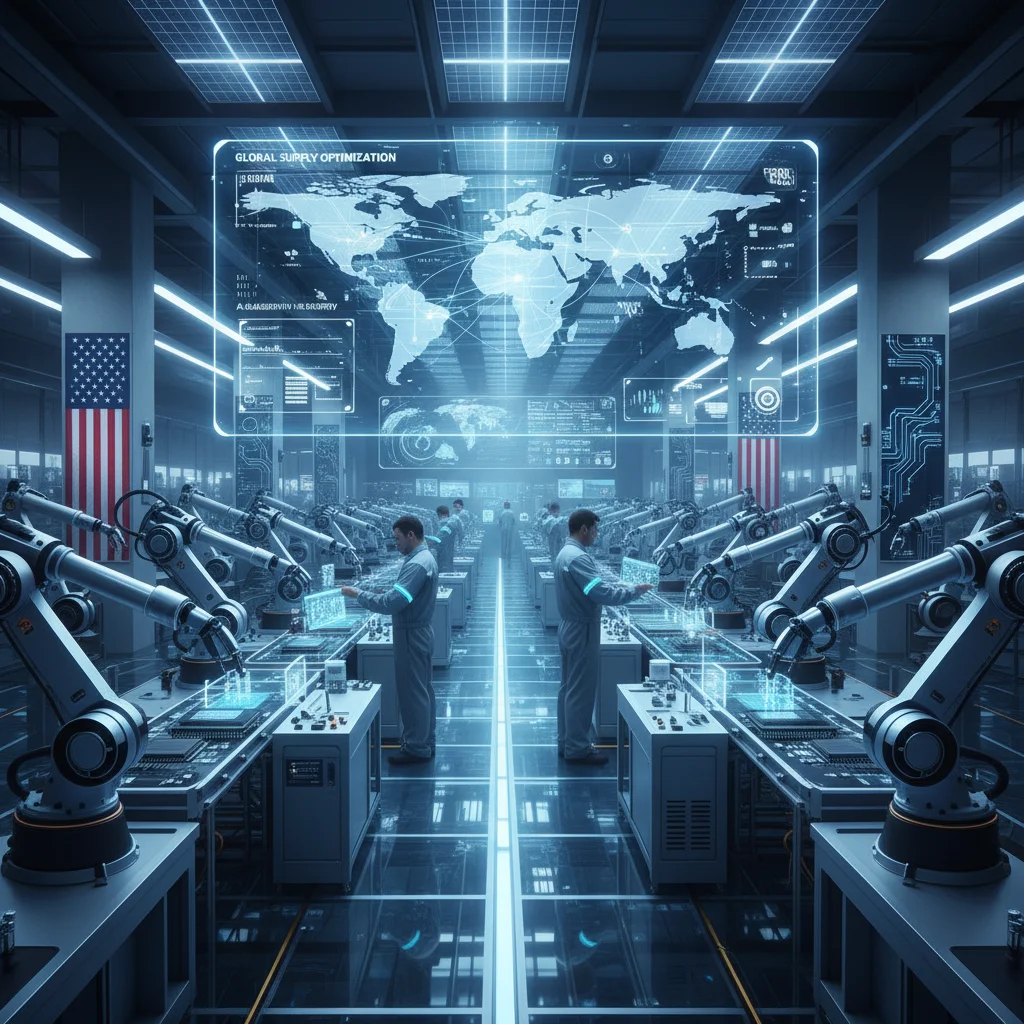
The global landscape for manufacturing has shifted dramatically over the past few years. From geopolitical tensions and trade disputes to a global pandemic and natural disasters, the vulnerabilities within intricate, globalized supply chains have been laid bare. For the United States tech manufacturing sector, a domain critical to national security and economic prosperity, the imperative to build robust, resilient, and agile supply chains has never been more urgent. As we look towards 2026 and beyond, Artificial Intelligence (AI) emerges not just as a tool, but as the foundational pillar for achieving true AI supply chain resilience.
Historically, supply chain management relied on reactive measures, often scrambling to address disruptions after they occurred. This approach is no longer sustainable in an era characterized by rapid change and unprecedented complexity. The tech industry, with its reliance on highly specialized components, just-in-time inventory, and rapid innovation cycles, is particularly susceptible to supply chain shocks. A single bottleneck, a factory shutdown, or a transportation delay can ripple through the entire ecosystem, leading to production halts, increased costs, and ultimately, a loss of competitive edge.
This article delves deep into how AI is transforming the concept of supply chain resilience, specifically within the context of US tech manufacturing. We will explore the multifaceted applications of AI, from predictive analytics and demand forecasting to automated risk assessment and optimized logistics. Furthermore, we will examine the strategic advantages AI confers, the challenges in its implementation, and the roadmap for US tech manufacturers to leverage AI effectively to secure their future in a volatile global economy.
The Unfolding Crisis: Why Traditional Supply Chains Failed
Before we explore the solutions, it’s crucial to understand the depth of the problem. Traditional supply chains, optimized for cost-efficiency and lean operations, often lacked the inherent flexibility and redundancy needed to withstand significant shocks. The emphasis on single-sourcing, offshore manufacturing, and minimal inventory created a brittle system. When events like the COVID-19 pandemic hit, exposing the fragilities of global interconnectedness, the consequences were severe:
- Disrupted Production: Factory closures and labor shortages stalled manufacturing worldwide.
- Logistics Bottlenecks: Port congestion, container shortages, and soaring shipping costs created massive delays.
- Raw Material Scarcity: Dependencies on specific regions for critical raw materials led to widespread shortages.
- Lack of Visibility: Many companies lacked real-time insight into their extended supply networks, making it impossible to anticipate or react effectively to disruptions.
- Bullwhip Effect: Small fluctuations in demand at the retail level amplified upstream, leading to overstocking or understocking at different stages of the supply chain.
For the US tech sector, these failures translated into delayed product launches, missed sales opportunities, and a heightened awareness of the risks associated with an over-reliance on foreign supply. The call for reshoring, nearshoring, and diversifying supply bases has grown louder, but these initiatives alone are insufficient without intelligent systems to manage the added complexity.
AI as the Cornerstone of AI Supply Chain Resilience
AI’s ability to process vast amounts of data, identify patterns, make predictions, and automate decision-making makes it an invaluable asset in building resilient supply chains. It moves us from a reactive stance to a proactive, predictive, and even prescriptive one. Here’s how AI is fundamentally reshaping supply chain resilience for US tech manufacturers:
1. Predictive Analytics for Demand and Supply Forecasting
One of the most significant contributions of AI to supply chain resilience is its enhanced capability in forecasting. Traditional forecasting methods often rely on historical data, which can be inadequate in volatile markets. AI, particularly machine learning algorithms, can analyze a much broader range of data inputs, including:
- Historical sales data and trends
- Economic indicators (GDP growth, inflation, consumer spending)
- Geopolitical events and news sentiment
- Weather patterns and climate data (affecting raw material availability and logistics)
- Social media trends and consumer sentiment
- Competitor activity and market shifts
- Supplier performance metrics
By integrating and analyzing these diverse datasets, AI can create more accurate demand forecasts, anticipating shifts in consumer behavior and market needs. This allows tech manufacturers to optimize inventory levels, reduce waste, and ensure they have the right components at the right time, even in the face of unexpected market shifts. Similarly, AI can predict potential supply shortages by monitoring supplier health, geopolitical stability in sourcing regions, and even traffic or weather patterns affecting transportation routes. This predictive capability is crucial for maintaining AI supply chain resilience.
2. Real-time Visibility and Monitoring
A critical weakness of traditional supply chains is the lack of end-to-end visibility. Many companies only have clear sight of their immediate suppliers and customers, operating in a ‘black box’ beyond that. AI-powered platforms, integrated with IoT sensors, blockchain technology, and advanced data analytics, can provide unparalleled real-time visibility across the entire supply network.
- IoT Sensors: Embedded in products, containers, and factory equipment, IoT devices generate continuous data on location, condition, temperature, and more. AI processes this data to track goods in transit, monitor asset health, and identify potential issues before they escalate.
- Blockchain: Provides an immutable, transparent ledger of all transactions and movements within the supply chain. AI can analyze blockchain data to verify product authenticity, trace origins, and ensure compliance, enhancing trust and accountability.
- Control Towers: AI-powered control towers act as central hubs, aggregating data from various sources (ERP systems, logistics providers, external market data) to provide a holistic view of the supply chain. These systems can issue real-time alerts for deviations, delays, or emerging risks.
With this level of visibility, US tech manufacturers can identify chokepoints, track the status of critical components, and respond swiftly to disruptions. This proactive monitoring is a cornerstone of building AI supply chain resilience.
3. Automated Risk Assessment and Mitigation
The complexity of modern supply chains means that manually assessing all potential risks is virtually impossible. AI algorithms can continuously scan for risk factors, both internal and external, quantify their potential impact, and even suggest mitigation strategies. This includes:
- Geopolitical Risk: Monitoring news, political developments, and trade policies in sourcing countries.
- Natural Disaster Risk: Analyzing weather forecasts and geological data to predict potential disruptions to logistics or manufacturing sites.
- Supplier Risk: Assessing supplier financial health, operational stability, and compliance records. AI can identify single points of failure or over-reliance on a few critical suppliers.
- Cybersecurity Risk: Protecting against cyberattacks that could disrupt operations or compromise sensitive data within the supply chain.
When a risk is identified, AI can simulate various scenarios, evaluate the effectiveness of different contingency plans, and recommend the optimal course of action. For instance, if a key component supplier faces a production delay, AI can automatically identify alternative suppliers, assess their capabilities and lead times, and even initiate orders, significantly reducing downtime. This intelligent risk management is vital for AI supply chain resilience.
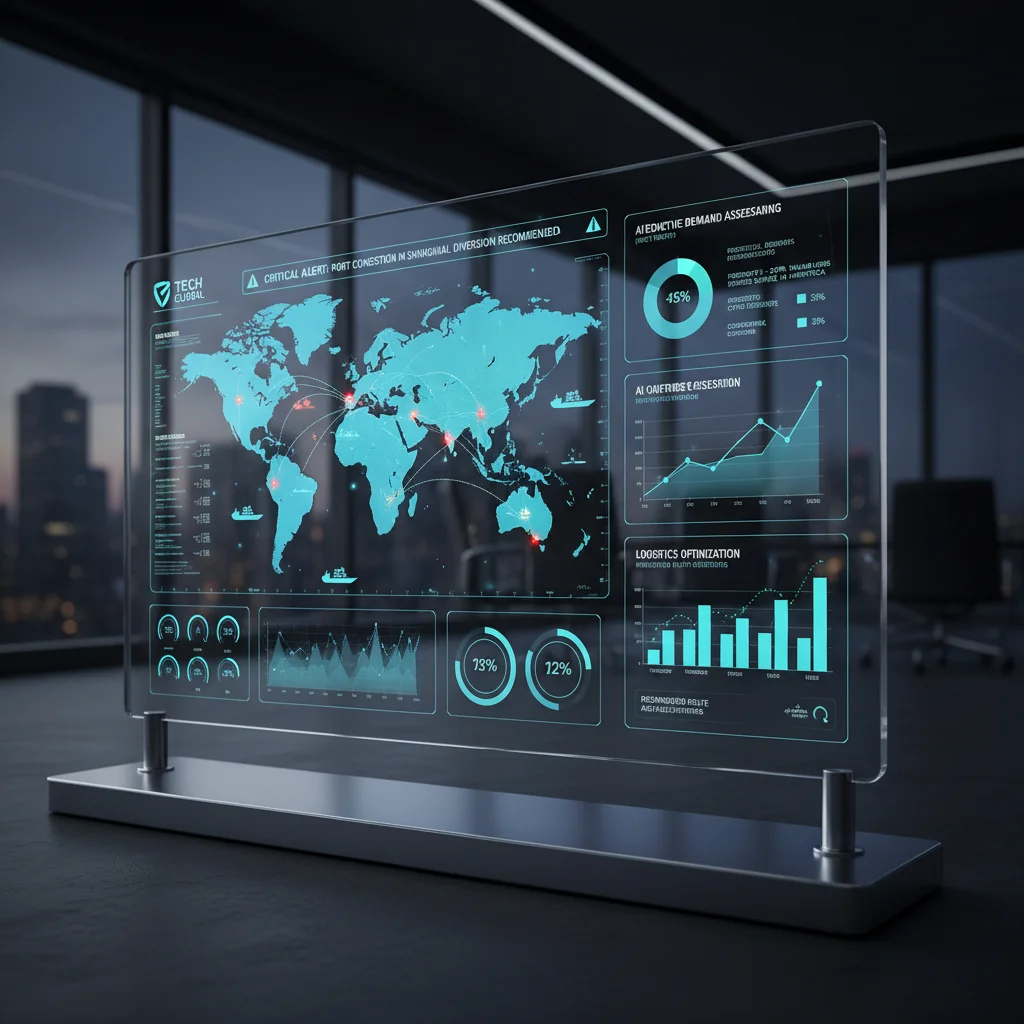
4. Optimized Logistics and Transportation
Logistics forms the backbone of any supply chain, and AI offers profound opportunities for optimization. From warehousing to last-mile delivery, AI can enhance efficiency, reduce costs, and improve reliability:
- Route Optimization: AI algorithms can analyze real-time traffic, weather, and delivery schedules to determine the most efficient routes for transportation, minimizing delays and fuel consumption.
- Warehouse Management: AI-powered robots and automation systems can optimize storage, picking, and packing processes, improving throughput and reducing errors. Predictive analytics can also optimize warehouse layout based on product demand and flow.
- Fleet Management: AI can monitor vehicle performance, predict maintenance needs, and optimize fleet utilization, ensuring timely deliveries and reducing operational disruptions.
- Dynamic Pricing and Capacity Allocation: For logistics providers, AI can dynamically adjust pricing based on demand and available capacity, while for manufacturers, it can help secure optimal shipping rates and ensure capacity during peak times.
These optimizations contribute directly to AI supply chain resilience by making the movement of goods more predictable, efficient, and less susceptible to unforeseen obstacles.
5. Autonomous Decision-Making and Automation
Beyond providing insights, AI is increasingly capable of autonomous decision-making in certain aspects of supply chain management. This includes:
- Automated Reordering: Based on predictive analytics and inventory levels, AI systems can automatically trigger reorders for components, ensuring continuous supply without human intervention.
- Dynamic Inventory Adjustment: AI can dynamically adjust inventory levels across different locations based on real-time demand and supply signals, minimizing holding costs while maximizing availability.
- Supplier Selection and Negotiation: Advanced AI can analyze supplier performance, pricing, and risk profiles to recommend optimal suppliers and even assist in negotiation processes.
While full autonomy is still evolving, the ability of AI to automate routine decisions and flag critical issues for human review significantly enhances the speed and responsiveness of the supply chain, bolstering AI supply chain resilience.
Strategic Advantages for US Tech Manufacturing in 2026 and Beyond
Implementing AI for supply chain resilience offers US tech manufacturers a distinct competitive edge, positioning them for success in the coming years:
Enhanced Competitiveness
By mitigating disruptions, reducing costs, and improving efficiency, AI enables US tech companies to be more competitive on a global scale. Predictable supply chains mean more reliable product delivery, which translates to higher customer satisfaction and market share. The ability to innovate and bring new products to market faster, unhindered by supply chain bottlenecks, is a significant advantage.
Increased Agility and Adaptability
AI-driven supply chains are inherently more agile. They can quickly adapt to sudden changes in demand, geopolitical shifts, or technological advancements. This adaptability is crucial for the fast-paced tech industry, where product lifecycles are short and market dynamics can change overnight. The ability to pivot quickly, source from alternative suppliers, or reroute logistics in real-time is a hallmark of AI supply chain resilience.
Improved Sustainability and Ethical Sourcing
AI can also play a vital role in promoting sustainable and ethical practices within the supply chain. By tracing the origin of materials, monitoring labor conditions, and optimizing transportation routes to reduce carbon emissions, AI helps companies meet growing consumer and regulatory demands for responsible manufacturing. This not only enhances brand reputation but also mitigates risks associated with non-compliance.
Data-Driven Decision Making
With AI, decision-making moves from intuition and experience to data-backed insights. This leads to more informed strategic planning, better resource allocation, and a clearer understanding of the true costs and risks associated with different supply chain configurations. This analytical rigor is fundamental to long-term AI supply chain resilience.
Challenges and Considerations for Implementation
While the benefits are clear, implementing AI for supply chain resilience is not without its challenges. US tech manufacturers must address several key considerations:
Data Quality and Integration
AI models are only as good as the data they are fed. Many organizations struggle with fragmented data, inconsistent formats, and poor data quality across their supply chain. Integrating data from disparate systems (ERP, CRM, WMS, TMS, external market data) is a monumental task that requires significant investment in data infrastructure and governance.
Talent Gap
There is a significant shortage of skilled professionals in AI, data science, and supply chain analytics. Companies need to invest in training their existing workforce or recruit new talent with the necessary expertise to develop, implement, and manage AI solutions.
Cost of Investment
Implementing AI technologies, including software, hardware, and integration services, can be a substantial upfront investment. Tech manufacturers need to conduct thorough cost-benefit analyses and demonstrate a clear ROI to secure executive buy-in.
Ethical AI and Bias
AI models can inherit biases from the data they are trained on, leading to potentially unfair or suboptimal outcomes. Ensuring ethical AI development, transparency in algorithms, and continuous monitoring for bias is crucial, especially when AI makes autonomous decisions impacting human livelihoods or resource allocation.
Cybersecurity and Data Privacy
As more data is collected and shared across the supply chain, the risk of cyberattacks and data breaches increases. Robust cybersecurity measures and strict adherence to data privacy regulations (e.g., GDPR, CCPA) are paramount to protect sensitive information and maintain trust among supply chain partners.

Roadmap for US Tech Manufacturers: Building AI Supply Chain Resilience
To successfully integrate AI into their supply chain operations, US tech manufacturers can follow a strategic roadmap:
1. Assess Current State and Define Objectives
Begin by conducting a comprehensive audit of the existing supply chain to identify pain points, data gaps, and areas with the highest potential for AI impact. Clearly define specific, measurable, achievable, relevant, and time-bound (SMART) objectives for AI implementation, focusing on enhancing resilience.
2. Develop a Robust Data Strategy
Invest in data infrastructure, data governance frameworks, and data quality initiatives. This involves standardizing data formats, integrating disparate systems, and ensuring the accuracy and completeness of data across the entire supply chain ecosystem. Consider cloud-based solutions for scalability and accessibility.
3. Start Small, Scale Gradually
Instead of attempting a complete overhaul, start with pilot projects in specific areas where AI can deliver clear, tangible results quickly (e.g., predictive maintenance for critical equipment, demand forecasting for a single product line). Learn from these initial implementations and gradually scale up across the organization.
4. Foster Collaboration and Partnerships
Building an AI-powered resilient supply chain often requires collaboration with technology providers, academic institutions, and even competitors. Partnerships can provide access to specialized AI expertise, advanced platforms, and shared data insights (where appropriate and secure). Collaborate closely with suppliers and logistics partners to ensure data sharing and system interoperability.
5. Invest in Talent Development
Upskill the existing workforce in AI literacy, data analytics, and digital tools. Recruit specialized AI engineers, data scientists, and machine learning experts. Foster a culture of continuous learning and innovation within the organization.
6. Prioritize Cybersecurity and Ethical AI
Integrate cybersecurity best practices from the outset. Implement robust data encryption, access controls, and threat detection systems. Establish ethical guidelines for AI development and deployment, ensuring fairness, transparency, and accountability in all AI-driven decisions.
7. Embrace a Continuous Improvement Mindset
AI models require continuous monitoring, evaluation, and retraining to remain effective. The supply chain environment is dynamic, so the AI solutions must also be adaptive. Regularly review performance metrics, refine algorithms, and incorporate new data sources to ensure ongoing AI supply chain resilience.
The Future of AI Supply Chain Resilience in US Tech Manufacturing
Looking ahead to 2026 and beyond, AI will not merely be an add-on but an intrinsic part of the operational DNA of successful US tech manufacturers. The convergence of AI with other emerging technologies like 5G, quantum computing, and advanced robotics will further amplify its capabilities, leading to even more sophisticated and autonomous supply chain systems. We can anticipate:
- Hyper-Personalized Supply Chains: AI will enable even greater customization and flexibility, allowing manufacturers to cater to highly specific customer demands with unprecedented efficiency.
- Digital Twins of Supply Chains: Virtual replicas of entire supply chains, powered by AI, will allow for real-time simulation and testing of various scenarios, optimizing for resilience and performance without disrupting physical operations.
- Autonomous Logistics Networks: Drones, autonomous vehicles, and smart warehouses, all orchestrated by AI, will create highly efficient and self-optimizing logistics networks.
- Proactive Policy Influence: AI-driven insights into supply chain vulnerabilities can inform government policy and investment decisions, fostering a more secure and resilient national manufacturing base.
The journey towards full AI supply chain resilience is complex and ongoing, but the direction is clear. For US tech manufacturers, embracing AI is not just about staying competitive; it’s about securing their future, ensuring national economic stability, and maintaining a leadership position in global innovation. The time to act and invest in AI-powered resilience is now.
By strategically implementing AI across their supply chain operations, US tech manufacturing companies can transform vulnerabilities into strengths, turning potential disruptions into opportunities for innovation and growth. The future of manufacturing is intelligent, interconnected, and resilient, and AI is the key to unlocking that future.