Optimizing Your Portfolio with 15% Alternative Assets: A 2026 US Investor Playbook

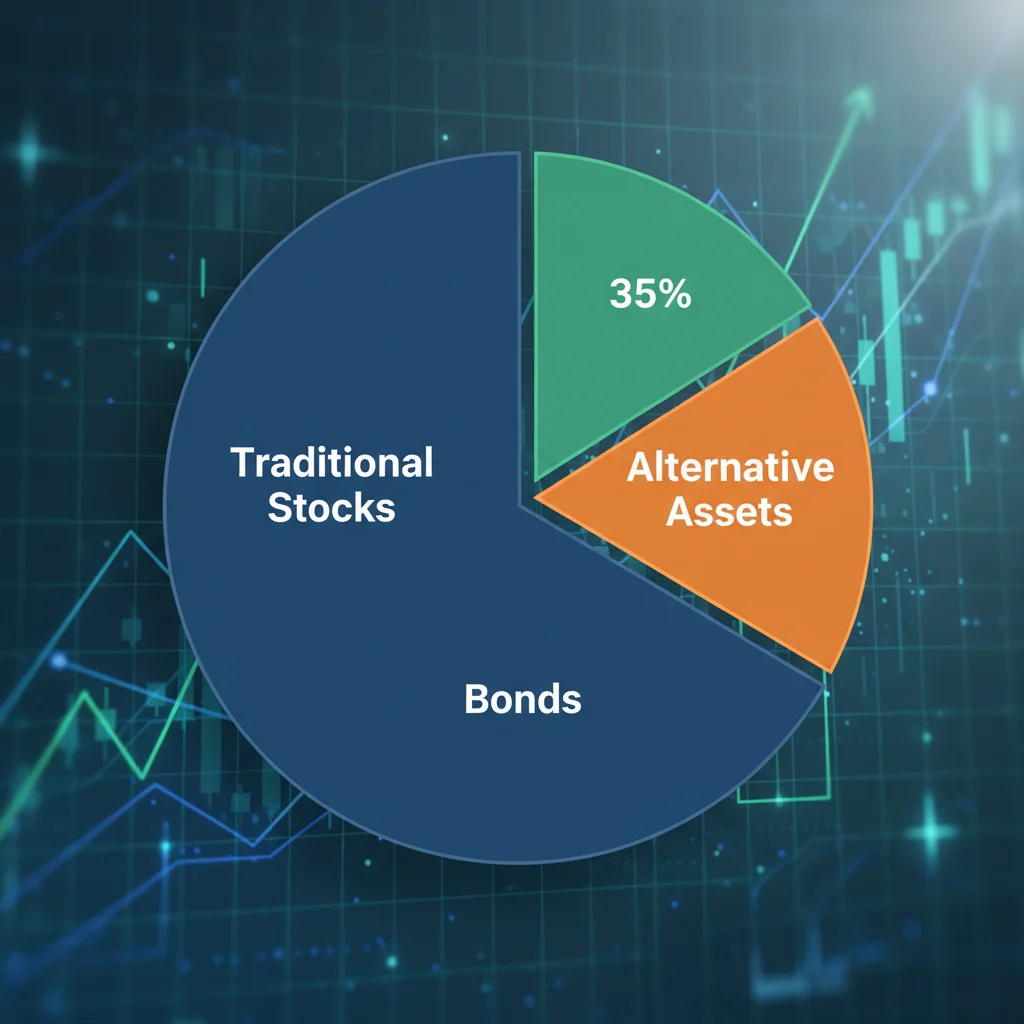
In the ever-evolving landscape of global finance, traditional investment strategies, while foundational, are increasingly being complemented by more dynamic and less correlated asset classes. For the savvy US investor looking towards 2026 and beyond, a strategic allocation to alternative assets portfolio is no longer just an option but a critical component for robust long-term growth and enhanced diversification. This comprehensive playbook delves into the ‘why’ and ‘how’ of dedicating 15% of your investment capital to these often-overlooked opportunities, providing a roadmap for navigating the complexities and unlocking the potential of non-traditional investments.
The financial markets of today are characterized by rapid shifts, persistent inflation concerns, and a search for yield in a low-interest-rate environment. In this context, the conventional 60/40 stock-bond portfolio, while historically effective, may not offer the same level of protection or return potential it once did. Enter alternative assets – a broad category encompassing everything from private equity and hedge funds to real estate, commodities, infrastructure, and even digital assets. These investments offer unique characteristics, including lower correlation with public markets, potential for higher returns, and a hedge against inflation, making them invaluable for optimizing your alternative assets portfolio.
This guide aims to demystify the world of alternative investments for the individual US investor, helping you understand the landscape, evaluate the risks, and strategically integrate a 15% allocation into your overall financial plan by 2026. We will explore the various types of alternative assets, discuss the benefits they bring to a diversified portfolio, and provide practical considerations for implementation. Whether you are a seasoned investor or just beginning to explore avenues beyond stocks and bonds, this playbook will equip you with the knowledge to make informed decisions and position your portfolio for resilience and growth.
The Shifting Paradigm: Why Alternative Assets Now?
The rationale for incorporating alternative assets portfolio elements has never been stronger. Several macroeconomic factors are driving this shift:
- Inflationary Pressures: Many alternative assets, such as real estate, infrastructure, and commodities, have historically demonstrated strong performance during periods of inflation, acting as a natural hedge against the erosion of purchasing power. Their intrinsic value often rises with general price levels, protecting capital more effectively than traditional fixed-income instruments.
- Low-Interest-Rate Environment: While interest rates have fluctuated, the long-term trend has often favored lower returns on bonds, pushing investors to seek yield elsewhere. Alternative assets, particularly those with income-generating potential like private credit or real estate, can offer attractive returns that are less sensitive to interest rate movements.
- Market Volatility and Correlation: Public equity and bond markets can be highly correlated, especially during downturns. Alternative assets typically exhibit lower correlation with these traditional markets, meaning they may not move in sync, providing crucial diversification and potentially reducing overall portfolio volatility during turbulent times.
- Access to Unique Opportunities: Alternative investments often provide access to opportunities not available in public markets, such as early-stage companies through venture capital, distressed assets, or specialized real estate projects. These can offer significant growth potential that is otherwise inaccessible.
- Long-Term Growth Potential: Many alternative assets are inherently long-term investments, benefiting from patient capital and the ability to ride out short-term market fluctuations. This long-term perspective can lead to substantial capital appreciation over time, complementing the growth trajectory of a well-balanced alternative assets portfolio.
For US investors, understanding these drivers is the first step towards recognizing the strategic imperative of a 15% allocation to alternative assets. It’s about building a portfolio that is not only robust but also resilient and adaptable to future economic conditions.
Defining Your 15% Alternative Assets Portfolio: A Deep Dive into Categories
When we talk about a 15% allocation to an alternative assets portfolio, we’re referring to a diverse universe of options. It’s crucial to understand the distinct characteristics of each category to make informed decisions that align with your risk tolerance and financial goals.
Private Equity and Venture Capital
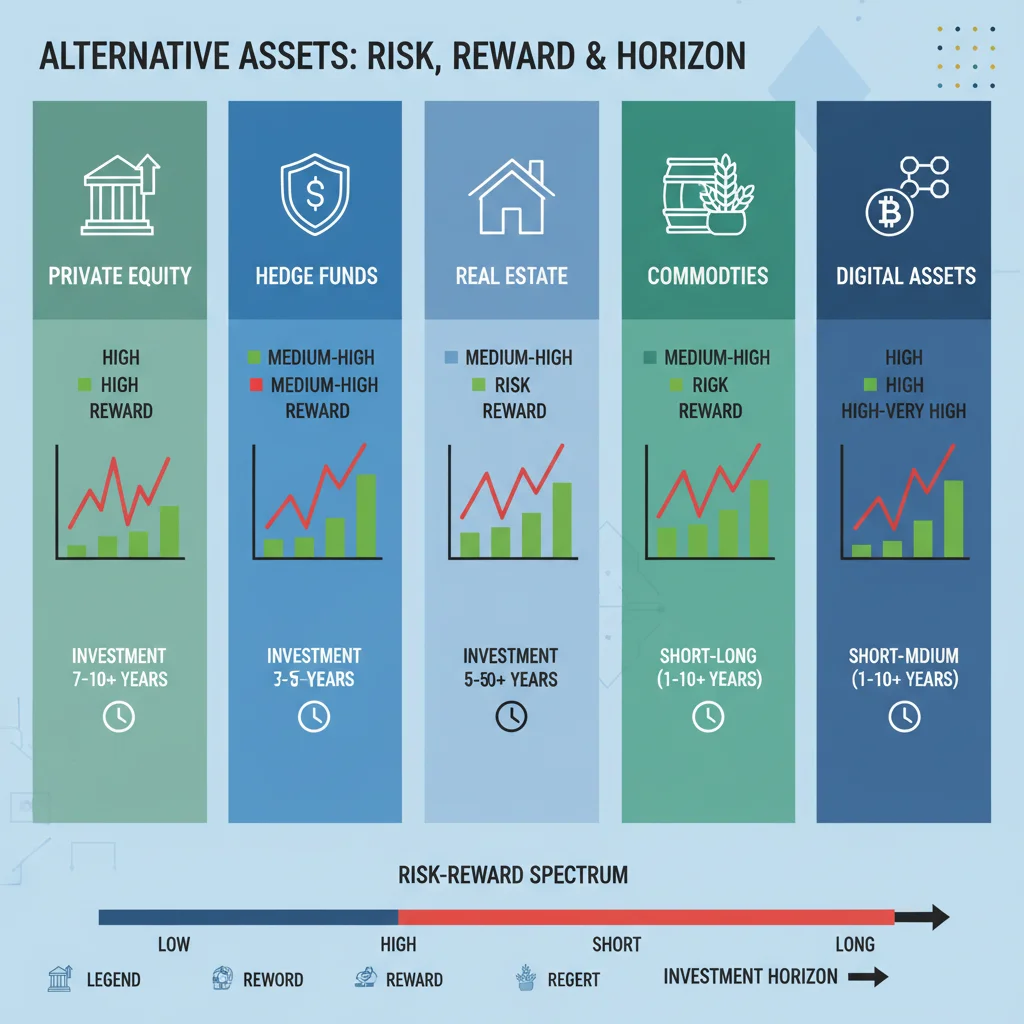
Private equity involves investing in companies that are not publicly traded on a stock exchange. This can include leveraged buyouts, growth capital, or distressed investments. Venture capital, a subset of private equity, focuses specifically on funding early-stage, high-growth companies. These investments typically require a long-term commitment (7-10 years or more) and come with higher risk but also significant potential for outsized returns.
- Benefits: Access to high-growth companies, potential for significant capital appreciation, lower correlation with public markets.
- Considerations: Illiquidity, high minimum investment, long lock-up periods, specialized knowledge required.
Hedge Funds
Hedge funds are investment funds that employ a variety of strategies to generate returns, often utilizing complex instruments and techniques such as short selling, derivatives, and leverage. Their goal is to generate positive returns regardless of market direction, hence the term ‘hedge’.
- Benefits: Potential for absolute returns, diversification, professional management.
- Considerations: High fees (typically ‘2 and 20’), lack of transparency, complex strategies, liquidity constraints.
Real Estate
Real estate investments can range from direct ownership of residential or commercial properties to indirect investments through Real Estate Investment Trusts (REITs) or private real estate funds. It’s a tangible asset that often provides income through rent and capital appreciation over time.
- Benefits: Income generation, inflation hedge, tangible asset, diversification.
- Considerations: Illiquidity (direct ownership), management responsibilities (direct ownership), market cycles, property-specific risks.
Commodities
Commodities include raw materials such as oil, natural gas, gold, silver, agricultural products, and industrial metals. Investing in commodities can be a direct way to hedge against inflation and currency devaluation, as their prices often react to global supply and demand dynamics.
- Benefits: Inflation hedge, diversification, potential for capital appreciation during supply shocks.
- Considerations: Volatility, storage costs (for physical commodities), geopolitical risks, futures market complexities.
Infrastructure
Infrastructure investments involve essential public systems and services, such as roads, bridges, airports, utilities, and telecommunications networks. These assets often generate stable, long-term cash flows, frequently backed by government contracts or regulated pricing.
- Benefits: Stable cash flows, inflation linkage, long asset lives, essential services.
- Considerations: High capital requirements, regulatory risk, political risk, illiquidity.
Digital Assets (Cryptocurrencies and NFTs)
A newer and more speculative category, digital assets like cryptocurrencies (e.g., Bitcoin, Ethereum) and Non-Fungible Tokens (NFTs) have emerged as potential portfolio diversifiers. While highly volatile, they offer unique technological innovation and a potentially uncorrelated return stream.
- Benefits: High growth potential, technological innovation, decentralization.
- Considerations: Extreme volatility, regulatory uncertainty, security risks, speculative nature.
When constructing your alternative assets portfolio, it’s not simply about picking one or two. A well-diversified approach within the alternative space itself is often recommended to mitigate specific risks associated with any single asset class.
Crafting Your 2026 Playbook: Practical Steps for US Investors
An allocation of 15% to an alternative assets portfolio by 2026 requires careful planning and execution. Here’s a step-by-step playbook for US investors:
1. Assess Your Current Portfolio and Financial Goals
Before diving into alternatives, have a clear understanding of your existing asset allocation, risk tolerance, investment horizon, and financial objectives. Are you saving for retirement, a down payment, or long-term wealth accumulation? Your goals will dictate the types of alternative assets most suitable for you.
2. Understand Liquidity Needs
Many alternative investments are illiquid, meaning they cannot be easily converted to cash without significant loss. Ensure that your core portfolio covers your short-to-medium term liquidity needs before committing capital to less liquid alternatives. The 15% allocation should be capital you are comfortable locking up for several years.
3. Due Diligence and Education
This is perhaps the most critical step. Alternative assets are complex. Educate yourself thoroughly on the specific risks, fee structures, and investment strategies of each alternative asset class you consider. Don’t invest in anything you don’t fully understand. Seek out reputable resources, industry reports, and financial advisors specializing in alternatives.
4. Accessing Alternative Investments
Historically, alternative investments were largely reserved for institutional investors and ultra-high-net-worth individuals due to high minimums and complex structures. However, access is improving for accredited investors and, in some cases, even retail investors:
- Private Funds: For accredited investors, direct investment into private equity, venture capital, hedge funds, or private real estate funds is an option. This often involves working with specialized wealth managers or platforms.
- ETFs and Mutual Funds with Alternative Strategies: Some publicly traded funds offer exposure to alternative strategies (e.g., managed futures, long/short equity, global macro). While they may not offer the same direct exposure or illiquidity premium as private funds, they provide diversification and liquidity.
- REITs (Real Estate Investment Trusts): Publicly traded REITs offer an accessible way to invest in real estate, providing liquidity and often high dividend yields.
- Crowdfunding Platforms: For real estate and some private equity deals, crowdfunding platforms have lowered minimums, making these investments more accessible to a wider range of investors (though often still requiring accreditation).
- Direct Commodity Exposure: ETFs, ETNs, and futures contracts can provide exposure to commodities.
- Digital Asset Exchanges: For cryptocurrencies, regulated exchanges offer a way to buy and sell.
5. Start Small and Diversify Within Alternatives
Instead of putting all 15% into one alternative asset, consider diversifying across several categories. For instance, a blend of private equity, real estate, and a small allocation to commodities or digital assets could provide a more balanced alternative assets portfolio. Start with a smaller allocation, perhaps 5-10%, and gradually build up to 15% as you gain experience and comfort.
6. Monitor and Rebalance
Even alternative allocations need regular monitoring. While less frequent than traditional assets, periodically review the performance of your alternative investments, assess their impact on your overall portfolio, and rebalance as necessary to maintain your target 15% allocation and ensure it continues to align with your financial objectives.
Risks and Challenges in Building Your Alternative Assets Portfolio
While the benefits of an alternative assets portfolio are compelling, it’s crucial for US investors to be aware of the inherent risks and challenges:
- Illiquidity Risk: As mentioned, many alternative investments are not easily converted to cash. This means your capital can be locked up for extended periods, making it unavailable for other opportunities or unexpected needs.
- Valuation Challenges: Unlike publicly traded stocks, which have daily market prices, alternative assets often lack transparent, frequent valuations. This can make it difficult to accurately assess their current worth and performance.
- High Fees: Alternative investments, particularly hedge funds and private equity, often come with higher management fees and performance fees (‘2 and 20’ structure). These fees can significantly erode returns if not properly managed.
- Complexity and Lack of Transparency: The strategies employed by alternative funds can be intricate and opaque, making it challenging for the average investor to fully understand what they are investing in.
- Regulatory Scrutiny: While progress has been made, the regulatory landscape for some alternative assets, especially digital assets, is still evolving, posing potential risks.
- Manager Risk: The success of many alternative investments heavily relies on the expertise and skill of the fund manager. Poor management can lead to significant losses.
- Higher Minimum Investments: Although improving, many private alternative funds still require substantial minimum investments, making them inaccessible to some investors.
Mitigating these risks involves thorough due diligence, diversification within the alternative space, understanding your risk tolerance, and potentially seeking guidance from a qualified financial advisor with expertise in alternative investments. A well-constructed alternative assets portfolio is built on a foundation of informed decision-making and a realistic understanding of potential downsides.
The Future of Investing: A 2026 Outlook for Your Alternative Assets Portfolio
Looking ahead to 2026, the trend towards greater adoption of alternative assets by individual investors is expected to accelerate. Technological advancements, increased transparency, and innovative investment vehicles are continually breaking down barriers to entry. The ability to access these opportunities will be a defining characteristic of successful investment strategies.
The role of artificial intelligence and big data in analyzing alternative markets and identifying opportunities will also grow, potentially enhancing due diligence and risk management. Furthermore, sustainable and impact investing themes are increasingly permeating the alternative space, with a growing number of private equity and venture capital funds focusing on ESG (Environmental, Social, and Governance) factors, offering investors the chance to align their investments with their values while pursuing financial returns.
For US investors, embracing a 15% allocation to an alternative assets portfolio by 2026 is not just about chasing higher returns; it’s about building a more resilient, diversified, and future-proof investment strategy. It’s about recognizing that the tools and opportunities available to institutional investors are gradually becoming more accessible, and leveraging them can provide a significant advantage in wealth creation and preservation.
Conclusion: Empowering Your Investment Journey with Alternatives
Optimizing your investment portfolio with a 15% allocation to alternative assets portfolio by 2026 represents a pragmatic and forward-thinking strategy for US investors. In an era of market volatility, inflation concerns, and evolving economic landscapes, these non-traditional assets offer unique benefits, including enhanced diversification, potential for superior returns, and a hedge against macroeconomic risks.
While the journey into alternative investments requires careful consideration of risks such as illiquidity, complexity, and higher fees, the rewards of a well-researched and strategically implemented allocation can be substantial. By understanding the various categories – from private equity and real estate to commodities and digital assets – and by following a disciplined approach to due diligence and portfolio construction, you can effectively integrate alternatives into your long-term financial plan.
This playbook serves as your guide to navigating this exciting and dynamic segment of the financial markets. The key is continuous education, a clear understanding of your financial goals, and a willingness to explore beyond traditional boundaries. By taking these steps, you empower yourself to build a more robust, diversified, and successful alternative assets portfolio for 2026 and the decades to come, positioning your wealth for sustained growth and resilience in an ever-changing world.