Fixed Income Outlook 2026: High-Yield Opportunities Amidst US Rate Trends

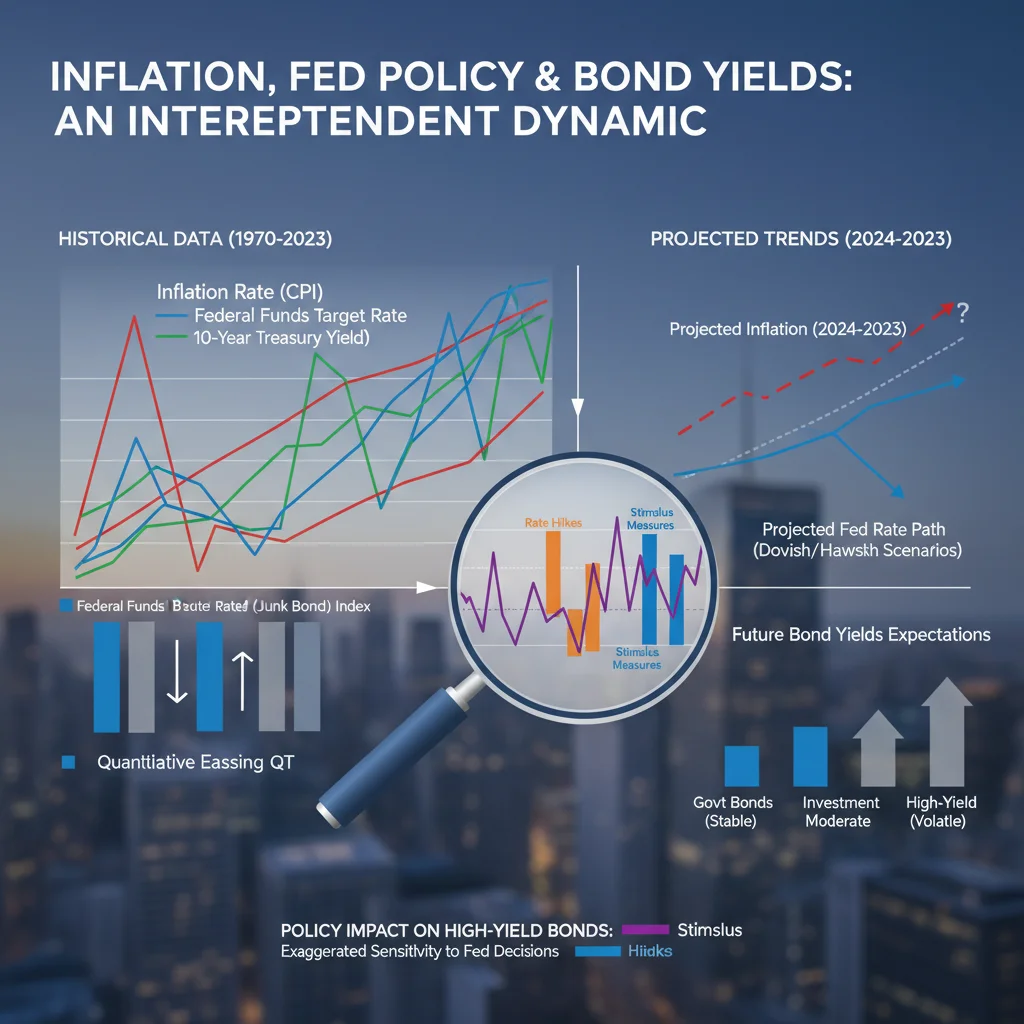
The global financial landscape is in a constant state of flux, and for investors, staying ahead of the curve is paramount. As we cast our gaze towards 2026, the fixed income market presents a fascinating dichotomy: a prevailing sense of uncertainty coupled with compelling opportunities, particularly within the realm of high-yield fixed income. The trajectory of US interest rates, driven by inflation, economic growth, and Federal Reserve policy, will undoubtedly be the primary determinant of market performance and the attractiveness of various debt instruments. This comprehensive outlook aims to dissect these intricate dynamics, providing investors with a roadmap to identify and capitalize on high-yield opportunities in the coming years.
Understanding the interplay between macroeconomic factors and bond market behavior is crucial. The post-pandemic era has been characterized by unprecedented fiscal and monetary interventions, leading to inflationary pressures not seen in decades. While central banks globally, led by the US Federal Reserve, have embarked on aggressive tightening cycles, the long-term implications for interest rates and, by extension, fixed income returns, remain a topic of intense debate. For those seeking high-yield fixed income, navigating this environment requires a nuanced approach, combining rigorous fundamental analysis with a keen awareness of market sentiment and policy shifts.
The Evolving US Interest Rate Landscape: A 2026 Perspective
The cornerstone of any fixed income analysis is a clear understanding of interest rate expectations. By 2026, it is plausible that the US Federal Reserve will have completed its current tightening cycle, and potentially even initiated a phase of rate normalization or even modest cuts, depending on the inflation trajectory and the health of the broader economy. However, the path to this point will likely be anything but smooth. Persistent inflation, geopolitical tensions, and unexpected economic shocks could all necessitate further adjustments to monetary policy, creating volatility in bond markets.
Several factors will shape the US interest rate outlook for 2026. Firstly, inflation remains a critical variable. While headline inflation has shown signs of moderation, core inflation, which excludes volatile food and energy prices, has proven more sticky. The Fed’s dual mandate of maximum employment and price stability means that interest rate decisions will continue to be heavily influenced by these metrics. If inflation proves more entrenched than anticipated, the ‘higher for longer’ interest rate narrative could persist, impacting bond valuations and the cost of capital for corporations.
Secondly, the strength of the US labor market will play a significant role. A robust labor market, characterized by low unemployment and strong wage growth, can fuel consumer spending and contribute to inflationary pressures, potentially prompting the Fed to maintain a restrictive stance. Conversely, a weakening labor market could provide the Fed with more room to ease monetary policy, leading to lower interest rates and potentially a rally in longer-duration bonds.
Thirdly, fiscal policy and government debt levels cannot be overlooked. Large government deficits and increasing national debt may necessitate higher bond yields to attract investors, regardless of the Fed’s actions. This ‘term premium’ could exert upward pressure on long-term interest rates, even if short-term rates are stable or declining. Understanding these interconnected forces is vital for identifying where high-yield fixed income opportunities might emerge.
Identifying High-Yield Opportunities: Where to Look in 2026
In an environment of potentially fluctuating interest rates, the pursuit of high-yield fixed income becomes a strategic imperative for many investors. High-yield bonds, often referred to as ‘junk bonds,’ are debt instruments issued by companies with lower credit ratings (below investment grade) than their investment-grade counterparts. Due to the increased risk of default, these bonds offer higher coupon payments to compensate investors, making them attractive to those seeking enhanced income.
Corporate High-Yield Bonds
Corporate high-yield bonds will likely remain a significant segment of the market for income-focused investors. The key to success here lies in meticulous credit analysis. As economic conditions evolve, some sectors and companies will be better positioned to weather potential downturns and meet their debt obligations. Industries with strong pricing power, resilient demand, and manageable debt loads will be more attractive. Investors should focus on companies with improving fundamentals, strong cash flow generation, and clear deleveraging strategies. Diversification across sectors and issuers is paramount to mitigate idiosyncratic risks inherent in this space.
Furthermore, the repricing of risk following interest rate hikes may present opportunities. Companies that were previously overvalued or whose bonds traded at tight spreads might become more appealing as market sentiment adjusts. The ability to identify ‘rising stars’ – companies whose credit ratings are on an upward trajectory – can yield significant returns as their bonds transition from high-yield to investment-grade status.
Emerging Market Debt (EMD)
Emerging market debt, both sovereign and corporate, could offer compelling high-yield fixed income opportunities in 2026. As the US dollar potentially stabilizes or even weakens following the Fed’s tightening cycle, and as global growth finds new drivers, emerging markets may experience a resurgence in investor interest. Local currency emerging market debt, in particular, can provide diversification benefits and exposure to economies with robust growth prospects, although it comes with additional currency risk.
Careful selection is critical when investing in EMD. Investors should consider countries with stable political environments, improving fiscal balances, and diversified economies. The ability of emerging market central banks to manage inflation and maintain credible monetary policy will also be a key determinant of investment success. As always, a thorough understanding of geopolitical risks and commodity price trends, which often impact emerging economies, is essential.
Securitized Products and Structured Credit
Securitized products, such as Collateralized Loan Obligations (CLOs) and certain types of Asset-Backed Securities (ABS), can also offer attractive high-yield fixed income opportunities, especially in periods of market dislocation. These instruments pool various debt obligations (e.g., corporate loans, auto loans, credit card receivables) and then slice them into different tranches with varying risk and return profiles. The most junior tranches typically offer the highest yields but also bear the first losses in the event of defaults.
While complex, these products can provide diversified exposure to underlying credit markets and potentially offer higher yields than traditional corporate bonds. However, they require sophisticated analysis to understand the underlying collateral, structural protections, and potential correlation risks. As interest rates settle, the demand for yield could push investors towards these more esoteric corners of the market, but due diligence is paramount.
Strategies for Navigating the Fixed Income Market in 2026
Successfully investing in high-yield fixed income in 2026 will require a dynamic and adaptable strategy. The days of simply buying and holding broad market indices may be less effective in an environment characterized by shifting monetary policy and economic uncertainty. Here are some key strategies:
Active Management and Credit Selection
Given the inherent risks in high-yield bonds, active management is crucial. A skilled portfolio manager can conduct in-depth credit analysis, identify undervalued securities, and avoid potential defaults. This involves not only assessing the financial health of individual issuers but also understanding industry trends, competitive landscapes, and management quality. Passive investment strategies may not adequately capture the nuances of the high-yield market, where dispersion of returns can be significant between different issuers and sectors.
Duration Management
Duration, a measure of a bond’s sensitivity to interest rate changes, will be a critical consideration. If interest rates are expected to remain volatile or potentially rise, shorter-duration high-yield fixed income instruments may be preferable to mitigate interest rate risk. Conversely, if the Fed signals a clear path to lower rates, extending duration could prove beneficial. A flexible approach to duration, allowing for adjustments based on market expectations, will be key.
Diversification Across Asset Classes and Geographies
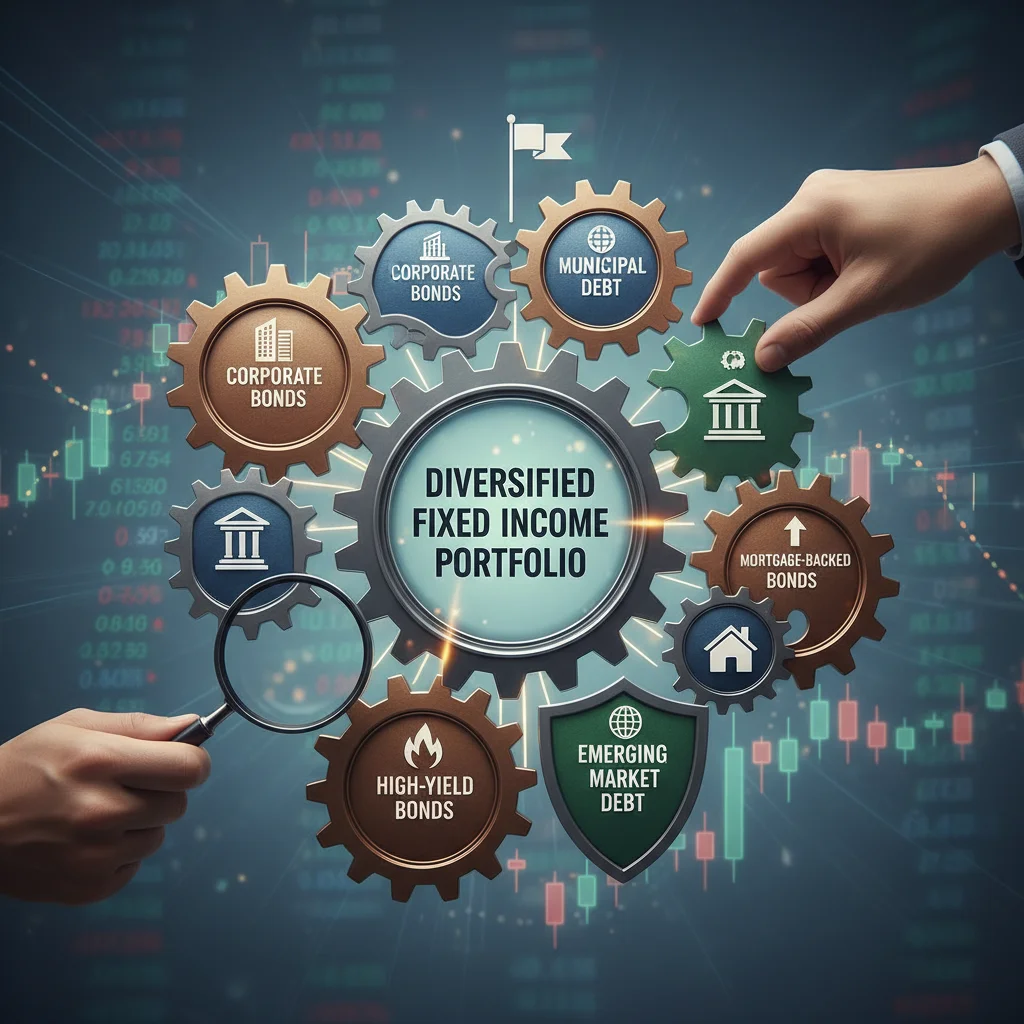
While this analysis focuses on high-yield fixed income, a well-rounded portfolio should always incorporate diversification across various asset classes (e.g., equities, real estate, alternatives) and geographies. Within fixed income itself, diversifying across different types of high-yield instruments (corporate, emerging market, structured credit) and even including some investment-grade exposure can help manage overall portfolio risk and enhance stability. Diversification helps to smooth returns and reduce the impact of adverse events in any single market segment.
Focus on Liquidity
In potentially volatile markets, liquidity can become a concern, especially in less frequently traded high-yield fixed income segments. Investors should be mindful of the liquidity profile of their holdings, ensuring they can exit positions without significant price concessions if market conditions deteriorate or investment objectives change. This might mean favoring larger, more liquid issues or maintaining a portion of the portfolio in highly liquid assets.
Inflation Protection
Even if inflation moderates, the risk of its resurgence cannot be entirely discounted. Incorporating some inflation-protected securities (like TIPS) or assets that historically perform well in inflationary environments can provide a hedge. While traditional high-yield bonds may not directly offer inflation protection, understanding the impact of inflation on issuer profitability and their ability to service debt is an indirect form of protection.
Risks and Challenges for High-Yield Fixed Income in 2026
While the opportunities in high-yield fixed income are compelling, it is crucial to acknowledge the inherent risks and challenges that investors will face in 2026. These include:
Credit Risk and Default Rates
The primary risk associated with high-yield bonds is credit risk – the risk that an issuer will default on its debt obligations. Economic slowdowns or recessions can significantly increase default rates, leading to capital losses for investors. Careful fundamental analysis and diversification are the best defenses against this risk. Monitoring credit cycles and leading economic indicators will be vital.
Interest Rate Risk
Even though high-yield bonds are often less sensitive to interest rate changes than investment-grade bonds due to their shorter duration and higher credit spreads, they are not immune. A sudden surge in interest rates could still negatively impact bond prices, especially for longer-dated high-yield instruments. The Fed’s policy path remains a key variable here.
Economic Slowdown or Recession
A significant economic slowdown or a full-blown recession in the US or globally would undoubtedly pressure the high-yield market. Corporate earnings would decline, increasing the likelihood of defaults and reducing investor appetite for riskier assets. Investors need to monitor economic indicators closely and be prepared to adjust their portfolios accordingly.
Geopolitical Risks
Ongoing geopolitical tensions, trade disputes, and regional conflicts can introduce significant uncertainty into financial markets. These events can impact commodity prices, supply chains, and investor confidence, all of which can affect the performance of high-yield fixed income assets, particularly in emerging markets.
Liquidity Risk
As mentioned earlier, some segments of the high-yield market can be less liquid than investment-grade bonds. In times of stress, selling these assets may be difficult without incurring significant price concessions, exacerbating losses.
The Role of the US Dollar and Global Markets
The strength or weakness of the US dollar will also have a profound impact on global fixed income markets, particularly emerging market debt. A strong dollar can make dollar-denominated debt more expensive for foreign borrowers to service, increasing default risk. Conversely, a weaker dollar can alleviate this pressure and make US assets less attractive to foreign investors, potentially leading to capital outflows.
Global economic growth, particularly in major trading partners like Europe and Asia, will also influence the US fixed income market. A synchronized global slowdown could reduce demand for US exports, impact corporate earnings, and potentially push the Fed towards a more dovish stance. Conversely, robust global growth could contribute to inflation and keep upward pressure on interest rates.
Investors in high-yield fixed income must therefore adopt a global perspective, understanding how interconnected markets influence domestic opportunities. The carry trade, where investors borrow in low-interest-rate currencies and invest in high-interest-rate currencies, could become more prevalent if interest rate differentials widen, but this also introduces significant currency risk.
Technological Advancements and Data Analytics
The fixed income market, traditionally seen as less technologically advanced than equities, is increasingly benefiting from data analytics and artificial intelligence. By 2026, sophisticated algorithms will likely play an even greater role in credit analysis, risk management, and identifying mispriced high-yield fixed income opportunities. Machine learning can process vast amounts of financial data, identify patterns, and predict default probabilities with greater accuracy than traditional methods.
Furthermore, the rise of decentralized finance (DeFi) and blockchain technology could introduce new forms of fixed income instruments and trading platforms. While still in its nascent stages, the potential for tokenized bonds and peer-to-peer lending in the high-yield space could disrupt traditional market structures and offer new avenues for investment, albeit with their own set of regulatory and technological risks.
Investors and asset managers who embrace these technological advancements will likely gain a competitive edge in navigating the complex fixed income landscape. Integrating big data into investment processes can lead to more informed decision-making and potentially superior risk-adjusted returns in the search for high-yield fixed income.
Conclusion: A Prudent Approach to High-Yield in 2026
The 2026 outlook for high-yield fixed income is characterized by both significant opportunities and considerable challenges. The evolving trajectory of US interest rates, influenced by inflation, economic growth, and Federal Reserve policy, will set the stage for market performance. While the search for enhanced income remains a driving force for many investors, a disciplined and analytical approach will be paramount.
Successful navigation of this market will require active credit selection, prudent duration management, robust diversification, and a keen awareness of macroeconomic and geopolitical risks. Investors who embrace technological advancements and maintain a flexible investment strategy will be best positioned to capitalize on the compelling high-yield fixed income opportunities that emerge. As always, consulting with a financial advisor to tailor strategies to individual risk tolerance and financial goals is highly recommended. The future of fixed income is dynamic, and with careful planning, it can be a source of significant value creation.