Sustainable Tech Practices: Cutting Data Center Energy by 20% in U.S. by 2026
The digital age, while offering unparalleled convenience and connectivity, comes with a significant environmental footprint. At the heart of this footprint are data centers, the silent powerhouses that fuel our online world. These facilities consume vast amounts of energy, primarily for powering IT equipment and maintaining optimal operating temperatures through cooling systems. As data consumption continues its exponential growth, the urgency to adopt sustainable data centers practices becomes paramount. This article delves into how U.S. operations can achieve an ambitious 20% reduction in data center energy consumption by 2026, focusing on strategic sustainable tech practices and innovative solutions.
The Imperative for Energy Reduction in Data Centers
Data centers are energy hogs. They account for a significant and growing portion of global electricity consumption. Estimates vary, but many sources suggest they consume between 1% and 3% of the world’s electricity, a figure projected to rise as digital transformation accelerates. In the U.S. alone, data centers are a critical infrastructure component, and their energy demands have considerable implications for both the national power grid and environmental sustainability goals.
Beyond the environmental impact, there’s a strong economic case for reducing energy consumption. Energy costs represent a substantial operational expense for data center operators. Lowering these costs directly translates to improved profitability and competitiveness. Furthermore, regulatory pressures and corporate social responsibility (CSR) initiatives are increasingly pushing organizations towards greener operations. Companies that proactively adopt sustainable data centers strategies not only mitigate risks but also enhance their brand reputation and attract environmentally conscious customers and investors.
Understanding the Current Landscape of Data Center Energy Use
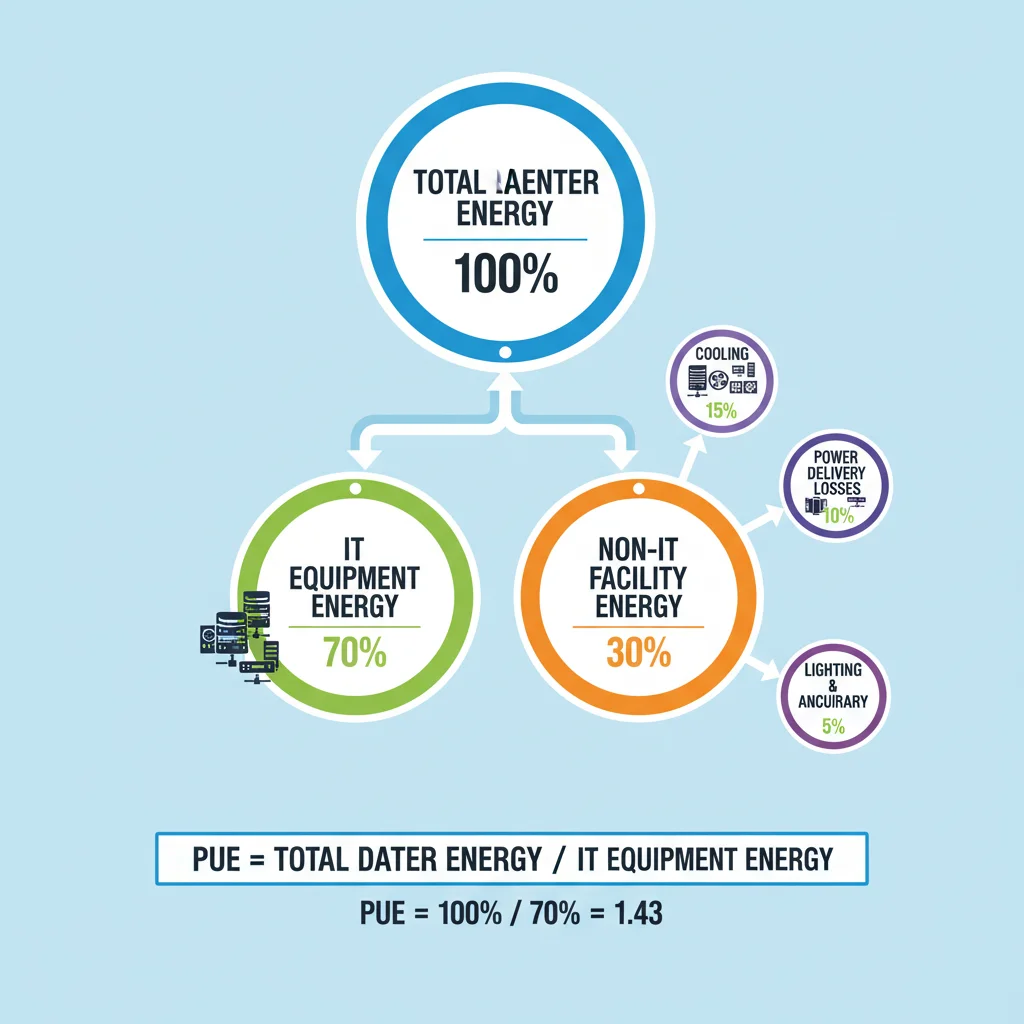
To effectively reduce energy consumption, it’s crucial to understand where the energy is going. Typically, data center energy is split between:
- IT Equipment (40-50%): Servers, storage devices, and networking equipment are the primary consumers.
- Cooling Systems (30-40%): Maintaining optimal temperatures to prevent equipment overheating is energy-intensive.
- Power Delivery (10-15%): Uninterruptible power supplies (UPS), power distribution units (PDUs), and transformers lose energy through conversion.
- Lighting and Other (5-10%): Ancillary systems and general facility needs.
The Power Usage Effectiveness (PUE) metric is a widely adopted standard for measuring data center energy efficiency. A PUE of 1.0 would mean all energy is used by IT equipment, with no overhead. While a PUE of 1.0 is aspirational, the closer a data center gets to this ideal, the more efficient it is. Many older data centers operate with PUEs above 2.0, while modern, optimized facilities can achieve PUEs as low as 1.1-1.2. Our goal of a 20% reduction by 2026 implies a significant improvement in these PUE figures across the U.S. data center landscape.
Key Strategies for Achieving 20% Energy Reduction
Achieving a 20% reduction in energy consumption within U.S. data centers by 2026 requires a multi-faceted approach, combining technological advancements, operational best practices, and a commitment to continuous improvement. Here are the core strategies:
1. Optimizing IT Equipment and Infrastructure
The most direct way to reduce energy consumption is to make the IT equipment itself more efficient. This involves several key areas:
- Server Virtualization and Consolidation: Virtualization allows multiple virtual machines to run on a single physical server, significantly reducing the number of physical servers required. This leads to lower power consumption, less heat generation, and a smaller physical footprint. Many organizations have already embraced virtualization, but there’s still considerable scope for further consolidation and optimization, especially in legacy environments.
- High-Efficiency Hardware: Investing in modern, energy-efficient servers, storage, and networking equipment is crucial. Newer generations of processors and components are designed to deliver more performance per watt. Replacing older, less efficient hardware with state-of-the-art alternatives can yield substantial energy savings.
- Workload Optimization and Management: Intelligent workload management ensures that resources are allocated efficiently. This includes dynamically scaling resources up or down based on demand, powering down idle servers (server ‘sleep’ modes), and migrating workloads to more efficient hardware or locations. Software-defined data centers (SDDCs) and hyper-converged infrastructure (HCI) play a vital role in enabling this flexibility and efficiency.
- Edge Computing Considerations: While not directly reducing data center energy, strategically deploying edge computing can reduce the amount of data that needs to be processed and stored in large central data centers, thereby distributing the load and potentially optimizing overall energy use across the network.
2. Advanced Cooling Technologies and Management
Cooling is a massive energy drain. Innovations in cooling represent one of the most significant opportunities for achieving sustainable data centers goals.
- Hot/Cold Aisle Containment: This simple yet highly effective strategy separates hot exhaust air from cold intake air, preventing mixing and ensuring that cooling systems only cool the air that needs to be cooled. This can significantly improve cooling efficiency and allow for higher set-point temperatures.
- Free Cooling/Economizers: Utilizing outside air for cooling when ambient temperatures are low enough (air-side economizers) or using chilled water from external sources (water-side economizers) can dramatically reduce the need for mechanical refrigeration. This is particularly effective in regions with cooler climates but can be implemented in various forms across the U.S.
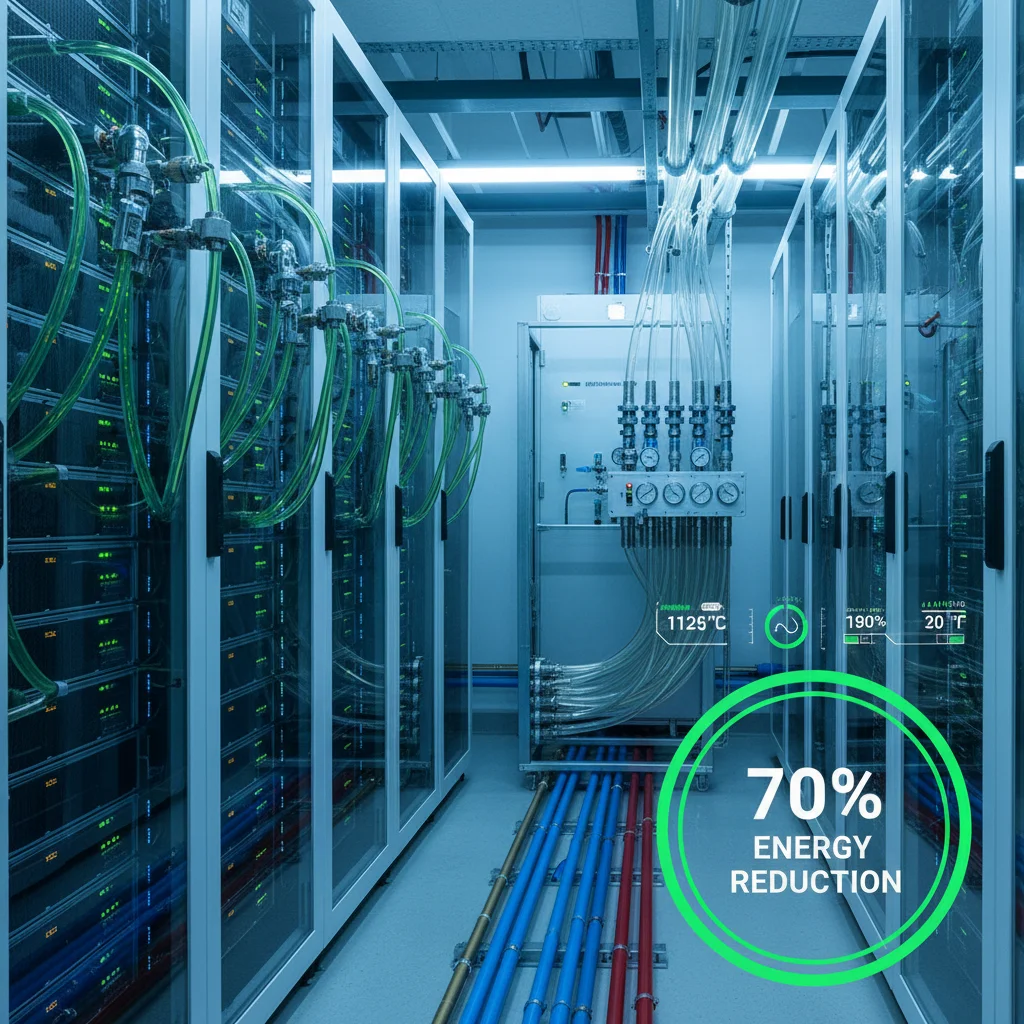
- Liquid Cooling: Direct-to-chip or immersion cooling technologies are becoming increasingly viable, especially for high-density computing. Liquid is a far more efficient heat transfer medium than air, allowing for much higher heat loads and significantly reducing the energy required for cooling. While the initial investment can be higher, the long-term energy savings are substantial.
- Optimized Airflow Management: Techniques like blanking panels, raised floor management, and proper rack placement ensure that cold air reaches IT equipment effectively and hot air is exhausted efficiently, minimizing bypass airflow and hot spots.
3. Efficient Power Delivery and Management
Energy is lost at every stage of the power delivery chain. Minimizing these losses is critical.
- High-Efficiency UPS Systems: Modern UPS systems are significantly more efficient than older models, especially at partial loads. Upgrading to modular, high-efficiency UPS units can reduce power conversion losses.
- DC Power Distribution: While AC power is standard, some data centers are exploring DC power distribution within their racks. Converting from AC to DC once at the rack level, rather than multiple times, can reduce conversion losses.
- Power Monitoring and Management: Implementing granular power monitoring tools allows operators to track energy consumption at the rack, server, and even component level. This data is invaluable for identifying inefficiencies, optimizing power distribution, and making informed decisions about equipment upgrades and workload placement.
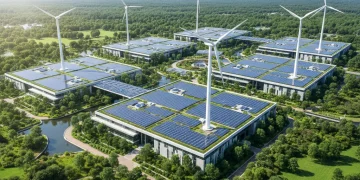
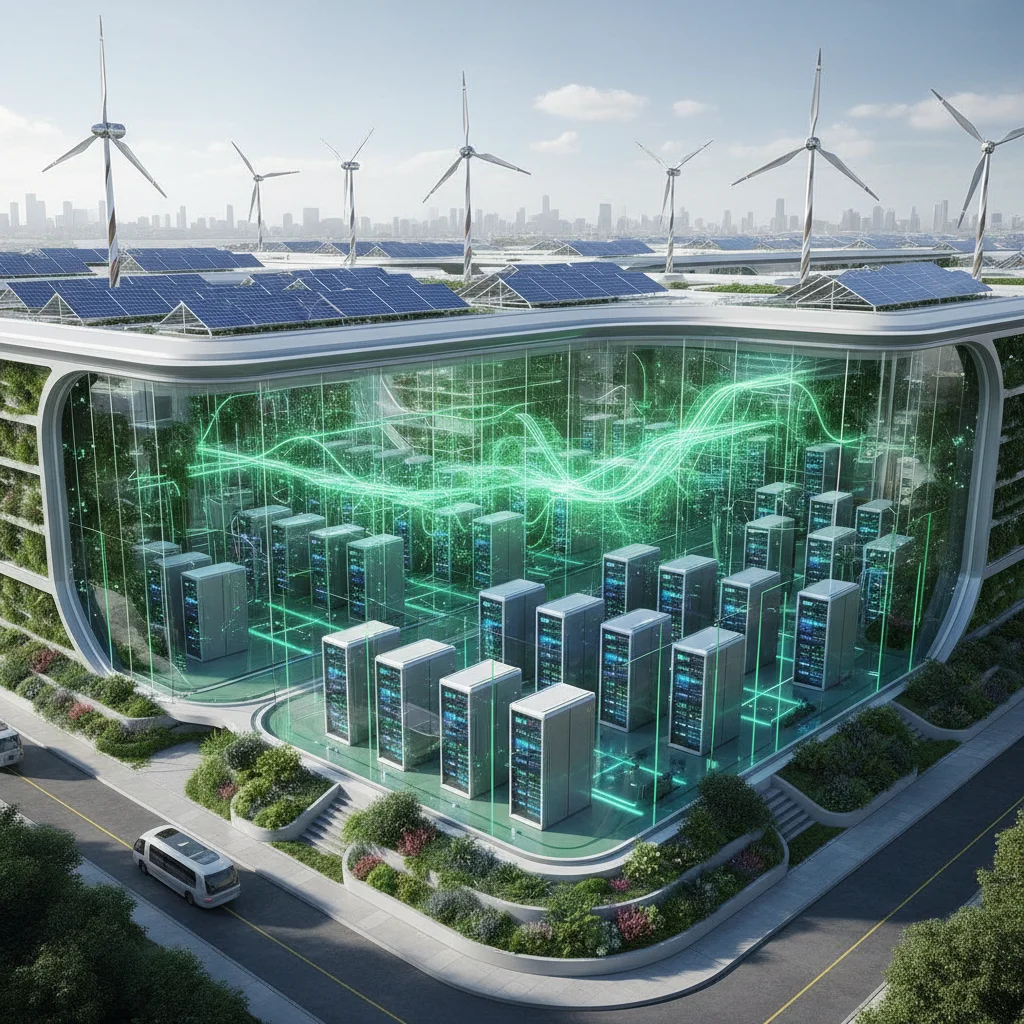
- Renewable Energy Integration: While not a direct reduction in data center energy consumption, sourcing power from renewable energy (solar, wind, hydro) significantly reduces the carbon footprint associated with data center operations. Many companies are investing in their own renewable energy projects or purchasing renewable energy credits (RECs) to offset their consumption. This is a cornerstone of sustainable data centers.
Leveraging Technology for Greater Efficiency
Beyond the core strategies, several emerging technologies and methodologies are proving instrumental in driving further energy reductions.
Artificial Intelligence and Machine Learning (AI/ML)
AI and ML algorithms can analyze vast amounts of operational data from data centers – including temperature, humidity, power consumption, and workload patterns – to predict future needs and optimize operations in real-time. This can lead to:
- Predictive Cooling: AI can anticipate cooling needs based on workload forecasts and external weather conditions, allowing cooling systems to adjust proactively rather than reactively, saving energy.
- Workload Orchestration: ML can optimize workload placement across servers and even data centers to minimize energy consumption while meeting performance requirements.
- Anomaly Detection: AI can identify inefficient equipment or unusual energy spikes, flagging them for immediate attention.
Modular and Containerized Data Centers
These pre-engineered, factory-built data center modules offer several advantages for energy efficiency:
- Optimized Design: They are designed for maximum efficiency from the ground up, often incorporating advanced cooling and power distribution systems.
- Scalability: Organizations can scale capacity precisely as needed, avoiding over-provisioning and the associated wasted energy.
- Rapid Deployment: Faster deployment means quicker access to efficient infrastructure.
Sustainable Software Development
The code itself can be a significant energy consumer. “Green coding” practices involve:
- Efficient Algorithms: Developing algorithms that require fewer computational resources to perform tasks.
- Resource Optimization: Writing code that minimizes CPU cycles, memory usage, and I/O operations.
- Power-Aware Programming: Designing software to take advantage of hardware power-saving features.
While often overlooked, software optimization contributes to the overall goal of sustainable data centers by reducing the burden on underlying hardware.
Operational Best Practices and Culture
Technology alone isn’t enough. A culture of sustainability and continuous improvement is essential.
- Regular Audits and Monitoring: Consistent energy audits and real-time monitoring are crucial for identifying inefficiencies, tracking progress, and ensuring that energy-saving measures are effective.
- Staff Training and Awareness: Educating data center staff on energy-efficient practices, from proper rack management to understanding cooling system optimization, can significantly impact overall energy consumption.
- Lifecycle Management: Implementing a robust lifecycle management plan for IT equipment, including responsible disposal and recycling, contributes to overall sustainability.
- Collaboration and Knowledge Sharing: U.S. data center operators can benefit immensely from collaborating with industry peers, research institutions, and government agencies to share best practices and collectively drive innovation in sustainable data centers.
Challenges and Roadblocks
While the goal of a 20% reduction is achievable, there are significant challenges:
- Legacy Infrastructure: Many existing data centers house older equipment and designs that are inherently less efficient and difficult to upgrade without significant investment and downtime.
- Capital Investment: Implementing new, efficient technologies often requires substantial upfront capital, which can be a barrier for some organizations.
- Performance Demands: The ever-increasing demand for higher performance and lower latency can sometimes conflict with energy-saving measures. Balancing these demands requires careful planning and innovative solutions.
- Skill Gap: Expertise in designing, implementing, and managing highly efficient, sustainable data centers is still developing, leading to a potential skill gap.
- Measurement and Reporting: Accurately measuring and reporting energy reductions across diverse data center portfolios can be complex.
The Path Forward: A Call to Action for U.S. Data Centers
Achieving a 20% reduction in U.S. data center energy consumption by 2026 is an ambitious but attainable goal. It requires a concerted effort from all stakeholders: data center operators, hardware manufacturers, software developers, and policymakers.
- Government Incentives: Policies and incentives from federal and state governments can accelerate the adoption of energy-efficient technologies and practices. This includes tax credits for green investments, funding for research and development, and streamlined permitting processes for renewable energy projects connected to data centers.
- Industry Standards and Benchmarking: Continued development and adoption of industry standards for efficiency, coupled with transparent benchmarking, can drive competition and innovation.
- Partnerships: Collaborative efforts between data center providers and renewable energy companies can lead to more direct integration of green power into data center operations.
- Long-Term Vision: Organizations must adopt a long-term strategic vision for their IT infrastructure, prioritizing sustainability alongside performance and cost-effectiveness. The initial investment in sustainable data centers often yields significant returns over time through reduced operational expenses and enhanced brand value.
Conclusion
The journey towards sustainable data centers is not merely an environmental obligation; it’s a strategic imperative for businesses operating in the U.S. The target of a 20% energy reduction by 2026 is a challenging but realistic goal, achievable through a combination of cutting-edge technology, intelligent operational practices, and a collective commitment to sustainability. By embracing server optimization, advanced cooling, efficient power delivery, and leveraging emerging technologies like AI/ML, U.S. data centers can significantly lessen their environmental impact, reduce operational costs, and build a more resilient and responsible digital future. The time for action is now.