The imperative to address climate change has never been more urgent, and for US corporations, the pressure to reduce their carbon footprint is intensifying. Beyond regulatory compliance and ethical considerations, embracing sustainable practices offers significant competitive advantages, including cost savings, enhanced brand reputation, and attracting environmentally conscious consumers and investors. As we look towards 2026, the landscape of sustainable technology is evolving rapidly, offering groundbreaking solutions that were once considered futuristic. This article delves into three emerging Sustainable Tech Innovations that are set to revolutionize how US corporations approach carbon footprint reduction, offering a strategic roadmap for a greener, more prosperous future.
The global shift towards sustainability is not merely a trend; it is a fundamental transformation of economic and industrial paradigms. Businesses worldwide are recognizing that environmental responsibility is intrinsically linked to long-term viability and growth. For US corporations, this means navigating a complex interplay of stakeholder expectations, technological advancements, and a competitive market that increasingly values ecological stewardship. The adoption of cutting-edge Sustainable Tech Innovations is no longer an option but a critical necessity for maintaining relevance and leadership in the 21st century. These innovations promise not only to mitigate environmental damage but also to unlock new efficiencies, foster innovation, and create unforeseen opportunities for market expansion and value creation. The journey towards net-zero emissions is ambitious, but with the right technological tools and strategic vision, it is an achievable goal that will define the next generation of corporate success.
The Growing Urgency for Carbon Footprint Reduction in US Corporations
The United States, as a leading global economy, bears a significant responsibility in the fight against climate change. US corporations, in particular, are under increasing scrutiny from various quarters. Consumers are more informed and demanding sustainable products and services. Investors are integrating Environmental, Social, and Governance (ESG) criteria into their decision-making processes, favoring companies with strong sustainability performance. Regulators, both at federal and state levels, are implementing stricter emissions standards and offering incentives for green initiatives. Furthermore, the physical risks of climate change – from extreme weather events to resource scarcity – directly impact supply chains, operational continuity, and long-term business resilience.
The concept of a carbon footprint, representing the total greenhouse gas emissions caused by an individual, event, organization, or product, has become a key metric for corporate accountability. Reducing this footprint involves a multifaceted approach, encompassing everything from energy efficiency and renewable energy adoption to sustainable supply chain management and waste reduction. However, traditional methods often reach a plateau, necessitating the exploration of more disruptive and transformative Sustainable Tech Innovations. These innovations are designed to address the most stubborn sources of emissions and offer scalable solutions that can be integrated across diverse industries. The economic benefits are substantial: reduced energy costs, eligibility for green financing, improved access to capital, and a stronger competitive position in a rapidly evolving market. Moreover, proactive engagement with sustainability can mitigate future regulatory risks and enhance a company’s social license to operate, fostering trust and loyalty among stakeholders.
The Economic and Reputational Benefits of Proactive Sustainability
Beyond the ethical imperative, the economic advantages for US corporations embracing aggressive carbon footprint reduction are becoming undeniable. Cost savings, often the initial driver, stem from increased energy efficiency, reduced waste generation, and optimized resource utilization. Investing in renewable energy sources, for instance, can stabilize energy costs and provide long-term predictability against volatile fossil fuel markets. Furthermore, companies with robust sustainability profiles often command higher valuations and attract greater investment. ESG funds are growing exponentially, and institutional investors are increasingly divesting from carbon-intensive industries, creating a clear financial incentive for transition.
Reputationally, a strong commitment to sustainability can be a powerful differentiator. It enhances brand loyalty among consumers who prioritize ethical and environmentally responsible companies. It also improves employee morale and retention, as talent, particularly younger generations, seeks to work for organizations that align with their values. In an era of heightened transparency, a proactive stance on environmental stewardship can safeguard a company’s public image and build resilience against potential controversies. The narrative shifts from mere compliance to leadership, positioning corporations as innovators and problem-solvers in the global effort to combat climate change. This proactive approach to sustainability, fueled by strategic investments in Sustainable Tech Innovations, is not just about doing good; it’s about doing smart business and securing a resilient future.
Innovation 1: Advanced Modular Nuclear Reactors (AMNRs)
For decades, nuclear power has been a contentious topic, often associated with large, complex, and expensive traditional plants. However, a new generation of nuclear technology is emerging, promising to revolutionize clean energy production: Advanced Modular Nuclear Reactors (AMNRs), often referred to as Small Modular Reactors (SMRs). These reactors are significantly smaller than conventional nuclear power plants, designed to be factory-fabricated and transported to sites, offering immense flexibility and scalability. The year 2026 is projected to see significant advancements and even initial deployments of these units, particularly in the US, as companies seek reliable, carbon-free baseload power.
The primary advantage of AMNRs for carbon footprint reduction lies in their ability to provide consistent, high-capacity, zero-emission electricity. Unlike intermittent renewable sources like solar and wind, AMNRs can operate 24/7, providing the stable power grid needs to transition away from fossil fuels. Their modular design allows for phased construction, reducing upfront capital costs and construction times. Furthermore, many AMNR designs incorporate advanced safety features, including passive cooling systems, that are inherently safer than previous generations. These reactors can be deployed in remote locations, power industrial facilities directly, or even replace aging fossil fuel plants, offering a direct pathway to decarbonization for energy-intensive US corporations. The development of these Sustainable Tech Innovations is a game-changer for industrial energy consumption.
How AMNRs Transform Corporate Energy Strategies
For US corporations, particularly those in heavy industry, manufacturing, and data centers, energy consumption represents a significant portion of their operational carbon footprint. Traditional reliance on grid electricity, often generated by fossil fuels, makes achieving net-zero targets challenging. AMNRs offer a compelling alternative. Companies could potentially host AMNRs on their own sites, creating localized, carbon-free power generation that is immune to grid fluctuations and price volatility. This self-sufficiency not only reduces emissions but also provides energy security and long-term cost predictability.
Moreover, AMNRs can be designed to produce process heat as well as electricity, a critical factor for industries like chemical manufacturing, steel production, and cement, which require high temperatures for their operations. This co-generation capability allows for comprehensive decarbonization of both electricity and thermal energy demands, addressing a broader spectrum of corporate emissions. The scalability of AMNRs means that corporations can start with smaller units and expand their capacity as needed, aligning with their growth and sustainability goals. The strategic adoption of these Sustainable Tech Innovations will enable US corporations to take unprecedented control over their energy profiles, moving decisively towards a carbon-neutral operational model.

Innovation 2: Direct Air Capture (DAC) with Advanced Adsorbent Materials
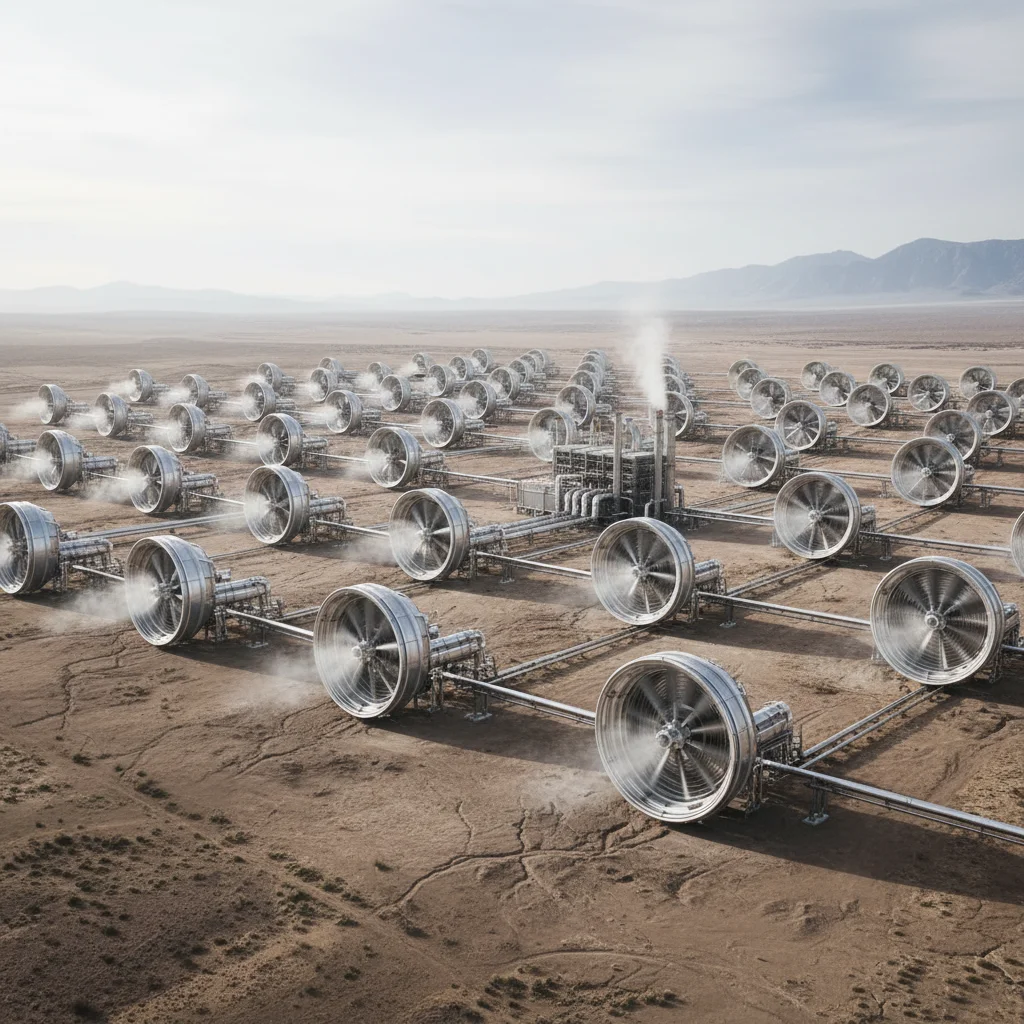
While reducing new emissions is paramount, the reality is that significant amounts of CO2 are already present in the atmosphere, contributing to global warming. Direct Air Capture (DAC) technology offers a solution by actively removing CO2 directly from ambient air. While DAC has been in development for some time, 2026 is expected to see a breakthrough in its economic viability and scalability, largely due to advancements in adsorbent materials. These new materials are far more efficient at capturing CO2 at lower energy costs, making large-scale deployment a more realistic prospect for US corporations.
The process typically involves drawing air through filters or contactors that contain chemical sorbents designed to selectively bind with CO2. Once saturated, the sorbent is heated to release the concentrated CO2, which can then be permanently stored underground (geological sequestration) or utilized in various industrial processes (e.g., synthetic fuels, building materials). The efficiency of these adsorbent materials directly impacts the energy consumption and cost of the DAC process. Newer materials, such as metal-organic frameworks (MOFs) and advanced amines, exhibit significantly higher CO2 adsorption capacities and require less energy for regeneration, pushing DAC towards commercial feasibility. This represents a crucial step in deploying effective Sustainable Tech Innovations for atmospheric carbon removal.
Corporate Applications and Carbon Removal Credits
For US corporations, DAC presents a powerful tool for achieving net-zero or even carbon-negative goals. Companies can invest in DAC facilities directly, either by building and operating their own plants or by purchasing carbon removal services from DAC providers. This allows them to offset their unavoidable emissions, such as those from legacy operations or supply chain activities that are difficult to decarbonize fully. The ability to purchase verifiable carbon removal credits generated by DAC projects provides a robust and credible mechanism for corporate climate action, moving beyond traditional carbon offsetting which often relies on avoided emissions rather than direct removal.
Furthermore, the captured CO2 can be a valuable resource. For instance, it can be used to produce sustainable aviation fuels (SAFs), chemicals, or even carbon-negative concrete. This ‘carbon utilization’ creates new revenue streams and circular economy opportunities, turning a waste product into a valuable input. US corporations that integrate DAC into their sustainability strategies will not only mitigate their environmental impact but also position themselves at the forefront of the emerging carbon removal economy. This form of Sustainable Tech Innovations offers a tangible pathway to address historical emissions and accelerate the transition to a carbon-neutral future, providing a critical safety net in the global climate effort.
Innovation 3: AI-Powered Predictive Energy Management Systems
While groundbreaking hardware like AMNRs and DAC facilities capture headlines, significant carbon reductions can also be achieved through smarter, more efficient use of existing resources. AI-powered Predictive Energy Management Systems (PEMS) are emerging as a powerful Sustainable Tech Innovation in this domain. By 2026, these systems will be sophisticated enough to integrate vast datasets – including real-time energy consumption, weather forecasts, market prices, operational schedules, and even equipment performance – to optimize energy use across entire corporate operations, from individual buildings to complex industrial plants.
Traditional energy management often relies on fixed schedules or reactive adjustments. PEMS, however, leverage machine learning algorithms to predict future energy demand and supply with remarkable accuracy. This allows for proactive decision-making. For example, a PEMS can automatically adjust HVAC systems in an office building based on predicted occupancy and external temperatures, ensuring comfort while minimizing energy waste. In manufacturing, it can optimize production schedules to align with periods of lower energy costs or higher renewable energy availability on the grid. The continuous learning capability of AI means these systems become more efficient and precise over time, constantly refining their optimization strategies to deliver maximum carbon reduction and cost savings.
Optimizing Operations for Maximum Carbon Efficiency
The applications of AI-powered PEMS for US corporations are extensive. For large retail chains, PEMS can manage lighting, refrigeration, and climate control across hundreds or thousands of stores, identifying anomalies and implementing efficiency improvements at scale. In data centers, which are notoriously energy-intensive, AI can optimize server utilization, cooling strategies, and power distribution, significantly reducing their colossal carbon footprint. For logistics and transportation companies, PEMS can even optimize fleet charging schedules for electric vehicles, minimizing demand charges and maximizing the use of off-peak renewable energy. US Manufacturing is also a key area for these advancements.
Beyond direct energy savings, PEMS also enable corporations to better integrate with and support renewable energy grids. By accurately predicting demand, companies can participate in demand-response programs, shifting their energy consumption to times when renewable energy generation is abundant. This not only reduces their own emissions but also contributes to grid stability and the broader adoption of clean energy. The data insights provided by PEMS also empower facility managers and executives with actionable intelligence to make more informed decisions about capital investments in energy infrastructure, identifying areas where upgrades will yield the greatest returns. These Sustainable Tech Innovations are not just about saving energy; they are about creating intelligent, resilient, and carbon-efficient operational ecosystems.
Integrating Sustainable Tech Innovations: A Strategic Roadmap for US Corporations
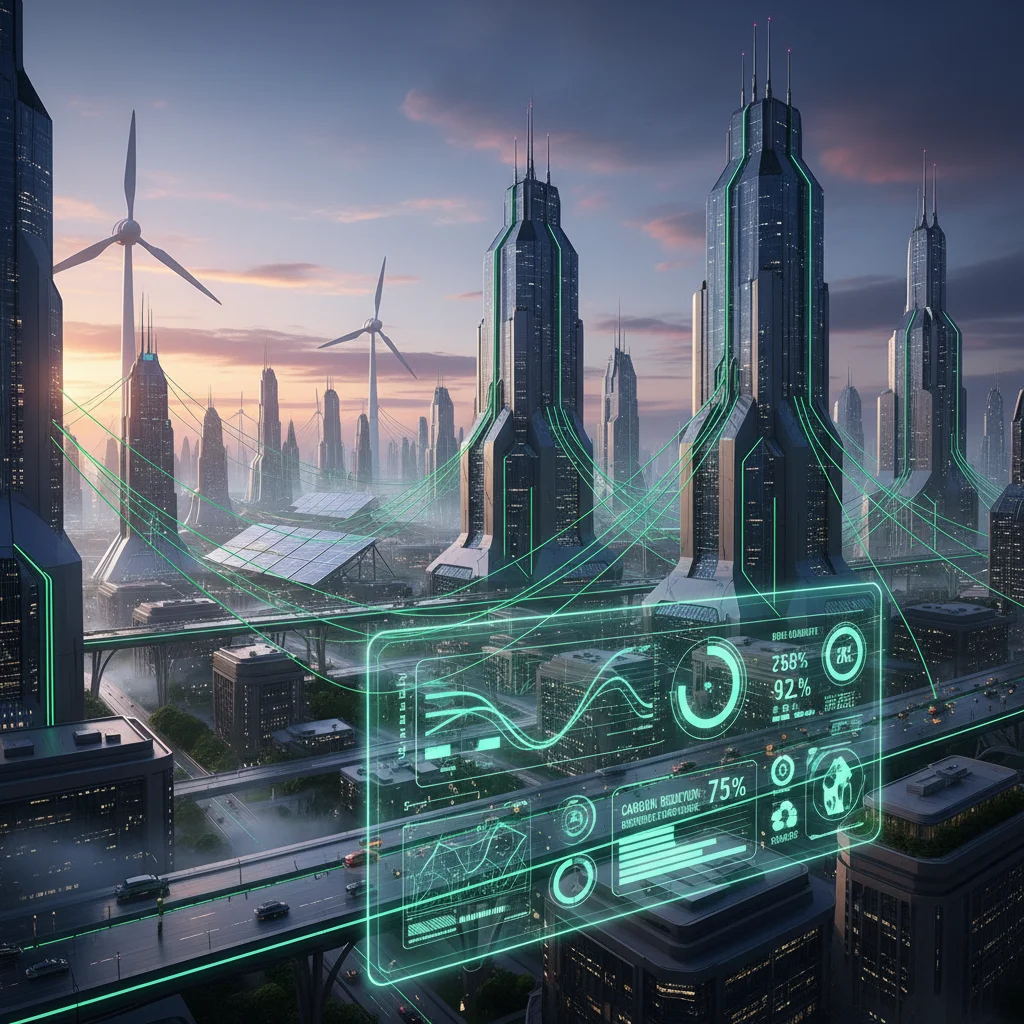
The adoption of these transformative Sustainable Tech Innovations is not a one-size-fits-all endeavor. US corporations must develop a strategic roadmap that aligns with their specific industry, operational scale, and existing infrastructure. The first step involves a comprehensive audit of their current carbon footprint, identifying major emission sources and setting clear, measurable reduction targets. This baseline assessment is crucial for understanding where these new technologies can have the most significant impact.
Following the assessment, corporations should evaluate each innovation’s applicability. For energy-intensive industries seeking reliable, carbon-free baseload power, AMNRs might be a primary consideration. Companies with hard-to-abate emissions or those aiming for carbon-negative status could explore partnerships with DAC providers or direct investment in carbon removal. For optimizing daily operations and maximizing efficiency, AI-powered PEMS offer immediate and continuous benefits across almost any sector. Pilot projects are an excellent way to test the feasibility and impact of these technologies on a smaller scale before full-scale deployment.
Overcoming Challenges and Fostering Collaboration
Implementing these advanced Sustainable Tech Innovations will undoubtedly come with challenges. Initial capital investment can be substantial, requiring careful financial planning and exploration of green financing options, government incentives, and tax credits. Regulatory frameworks, particularly for AMNRs and DAC, are still evolving and may require advocacy and engagement from corporations to ensure supportive policies. Furthermore, integrating new technologies into existing complex operational systems demands skilled personnel and robust change management strategies.
Collaboration will be key to overcoming these hurdles. Corporations can partner with technology developers, research institutions, and even competitors to share knowledge, pool resources, and accelerate deployment. Industry consortia focused on sustainable practices can drive collective action and influence policy. Investing in workforce training and development will ensure that companies have the expertise to operate and maintain these sophisticated systems. By proactively addressing these challenges and fostering a culture of innovation and collaboration, US corporations can effectively integrate these sustainable technologies and lead the charge towards a decarbonized economy.
The Future of Corporate Sustainability in the US
As we move towards 2026 and beyond, the role of Sustainable Tech Innovations in shaping the future of US corporations will become increasingly central. The companies that embrace these technologies early will not only contribute significantly to global climate goals but will also secure a distinct competitive advantage. They will be seen as leaders, innovators, and responsible corporate citizens, attracting top talent, discerning customers, and ethical investors. The journey to a sustainable future is a marathon, not a sprint, but the tools emerging today offer unprecedented opportunities to accelerate progress.The convergence of technological advancement, increasing environmental awareness, and evolving market demands creates a fertile ground for these innovations to flourish. From providing reliable clean energy with AMNRs, to actively removing atmospheric carbon with DAC, and optimizing every watt of energy with AI-powered PEMS, the toolkit for carbon footprint reduction is becoming more powerful and diverse. US corporations have the opportunity, and indeed the responsibility, to leverage these advancements, transforming their operations, inspiring their industries, and contributing to a healthier planet for generations to come. The time for action is now, and the future of sustainable business is bright with these cutting-edge Sustainable Tech Innovations paving the way.
Call to Action: Embrace the Sustainable Future
For executives and decision-makers within US corporations, the message is clear: proactive engagement with Sustainable Tech Innovations is no longer optional. It is a strategic imperative that will define resilience, competitiveness, and societal contribution in the coming years. Start by evaluating your current carbon footprint, researching the applicability of AMNRs, DAC, and AI-powered PEMS to your specific operations, and initiating pilot programs. Engage with technology providers, explore financing options, and foster a culture of sustainability within your organization. The investment made today in these transformative technologies will yield dividends not only for your bottom line but also for the planet. Join the vanguard of sustainable business and lead the way towards a carbon-neutral future for the United States.