Synthetic Biology 2026: Revolutionizing US Agriculture for 20% Higher Yields
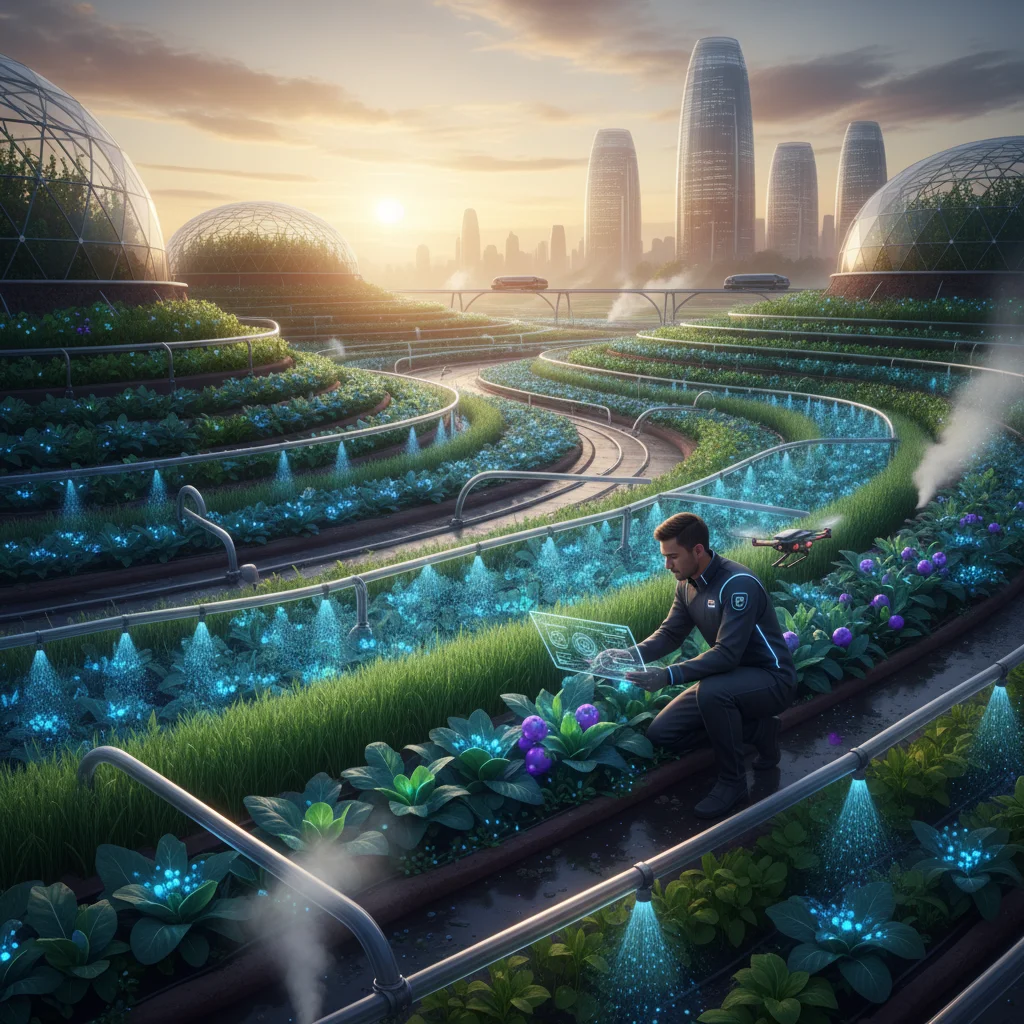
Synthetic Biology’s 2026 Impact: Revolutionizing US Agriculture for 20% Higher Yields
The agricultural landscape of the United States has always been a dynamic arena, constantly adapting to new challenges and embracing innovation. As we look towards 2026, one field stands out as a true game-changer: synthetic biology. This cutting-edge discipline, which involves redesigning organisms for useful purposes by engineering them to have new abilities, is poised to revolutionize US agriculture, promising an ambitious 20% increase in crop yields. The implications for food security, sustainability, and economic growth are profound, making synthetic biology agriculture a topic of paramount importance.
For decades, traditional breeding methods have steadily improved crop performance. However, these methods often involve lengthy processes and are limited by the genetic diversity naturally available within a species. Synthetic biology shatters these constraints, offering unprecedented precision and speed in developing crops with enhanced traits. Imagine crops that are inherently more resistant to pests and diseases, require less water and fertilizer, and possess higher nutritional value. This is not a distant dream; it is the near-future reality that synthetic biology is bringing to the forefront of US farming.
The urgency for such advancements cannot be overstated. Global population growth, climate change, and dwindling natural resources place immense pressure on agricultural systems worldwide. The US, as a major food producer, has a critical role to play in addressing these challenges. By strategically investing in and implementing synthetic biology agriculture solutions, the nation can not only secure its own food supply but also contribute significantly to global food security.
What is Synthetic Biology and Why is it Crucial for Agriculture?
At its core, synthetic biology combines principles from biology, engineering, and computer science to design and construct new biological parts, devices, and systems, or to redesign existing natural biological systems. In the context of agriculture, this means engineering plants, microbes, and even animals to perform specific functions beneficial to farming.
Unlike conventional genetic modification, which might involve transferring a single gene, synthetic biology allows for the assembly of complex genetic circuits and pathways. This enables a more holistic approach to improving crop performance. For instance, instead of just making a plant resistant to one type of pest, synthetic biology can engineer a plant to produce multiple defensive compounds, or even to signal beneficial insects to its aid.
Key Applications in Synthetic Biology Agriculture:
- Enhanced Photosynthesis: Scientists are engineering crops to capture sunlight more efficiently and convert it into biomass, directly boosting yields. This could involve optimizing the enzymes involved in photosynthesis or even introducing new photosynthetic pathways from other organisms.
- Improved Nutrient Uptake and Efficiency: By modifying root systems or engineering soil microbes, plants can be made to absorb nutrients like nitrogen and phosphorus more effectively, reducing the need for synthetic fertilizers. This has significant environmental benefits, as fertilizer runoff contributes to water pollution.
- Drought and Stress Tolerance: Climate change is leading to more frequent and severe droughts. Synthetic biology can equip crops with enhanced mechanisms to withstand water scarcity, heat stress, and salinity, ensuring productivity even in challenging environments.
- Pest and Disease Resistance: Instead of relying heavily on chemical pesticides, synthetic biology can create crops that are inherently resistant to a wider spectrum of pests and pathogens, leading to healthier plants and reduced chemical use.
- Biofortification: Engineering crops to produce higher levels of essential vitamins and minerals can address micronutrient deficiencies, a widespread problem globally. Imagine staple crops like rice or corn naturally enriched with Vitamin A or iron.
- Biopesticides and Biofertilizers: Beyond modifying the crops themselves, synthetic biology can engineer microorganisms to act as natural pesticides or to fix nitrogen in the soil, providing sustainable alternatives to synthetic agrochemicals.
These applications underscore the transformative potential of synthetic biology agriculture. It’s not just about incremental improvements; it’s about fundamentally rethinking how we grow food and making agricultural systems more resilient, efficient, and sustainable.
The 2026 Horizon: A 20% Yield Increase – How is it Achievable?
The ambitious target of a 20% yield increase by 2026 is based on a convergence of factors, primarily the accelerating pace of research and development in synthetic biology agriculture, coupled with increasing investment and regulatory frameworks adapting to these innovations.
Accelerated R&D and CRISPR Technology:
The advent of CRISPR-Cas9 gene editing technology has been a monumental leap forward. This tool allows for precise and relatively easy modification of plant genomes, significantly shortening the time it takes to develop new crop varieties. While not strictly synthetic biology, CRISPR is a powerful enabler, allowing synthetic biologists to rapidly test and implement their designs.
By 2026, we anticipate several CRISPR-edited crops with enhanced traits to be widely adopted. These could include crops with increased biomass, improved nutrient partitioning (directing more energy to the edible parts), and heightened stress resistance. The cumulative effect of these individual improvements across multiple staple crops could easily contribute to a significant overall yield increase.
Optimizing Photosynthesis for Higher Efficiency:
One of the most promising avenues for yield increase lies in optimizing photosynthesis. Natural photosynthesis is surprisingly inefficient. Researchers are actively working on several synthetic biology approaches to enhance this process:
- C4 Photosynthesis in C3 Plants: Many staple crops like rice and wheat use C3 photosynthesis, which is less efficient than the C4 pathway found in corn and sugarcane. Scientists are attempting to engineer C3 plants to adopt aspects of the more efficient C4 pathway, potentially leading to substantial yield gains.
- Improving Rubisco Efficiency: The enzyme Rubisco, crucial for carbon fixation, is notoriously slow and inefficient. Synthetic biologists are exploring ways to engineer a faster, more efficient version of Rubisco or even introduce alternative carbon-fixing enzymes.
- Enhanced Light Capture: Modifying the light-harvesting antenna complexes within chloroplasts can help plants capture light more effectively, especially under varying light conditions.
These photosynthetic enhancements are complex, but with dedicated research, significant breakthroughs are expected to translate into commercial products by 2026, driving the anticipated yield surge in synthetic biology agriculture.
Microbial Engineering for Soil Health:
The soil microbiome plays a critical role in plant health and nutrient availability. Synthetic biology is engineering soil microbes to:
- Fix Atmospheric Nitrogen: Reducing reliance on synthetic nitrogen fertilizers by enabling crops or associated microbes to fix nitrogen directly from the air.
- Solubilize Phosphorus: Making soil-bound phosphorus more available to plants.
- Produce Plant Growth Hormones: Microbes can be engineered to synthesize compounds that promote plant growth and root development.
- Act as Biocontrol Agents: Developing microbes that can suppress plant pathogens or deter pests.
The widespread adoption of these engineered microbial solutions will not only boost yields but also improve soil health and reduce the environmental footprint of agriculture. This symbiotic relationship between plants and engineered microbes is a cornerstone of future synthetic biology agriculture.
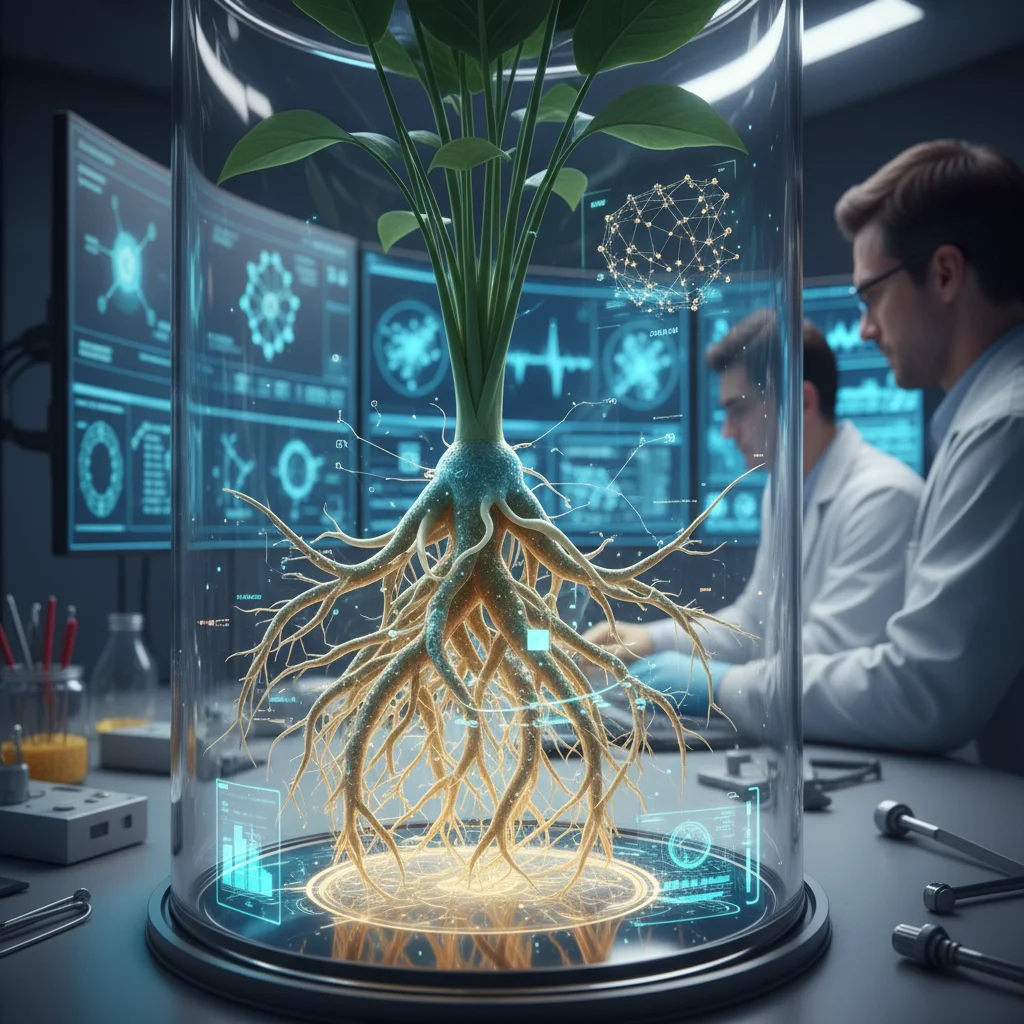
Economic and Environmental Benefits of Advanced Agricultural Biotechnology
The push for a 20% yield increase through synthetic biology agriculture is not solely about producing more food; it’s about doing so more sustainably and profitably. The economic and environmental benefits are multifaceted and far-reaching.
Economic Advantages:
- Increased Farmer Profitability: Higher yields mean more produce to sell, directly increasing farmers’ income. Reduced input costs (less fertilizer, pesticides, water) further enhance profitability.
- Reduced Production Costs: Efficiency gains from engineered crops and microbes can lower the overall cost of producing food.
- New Market Opportunities: Development of novel crops with unique nutritional profiles or industrial applications can open up new markets for agricultural products.
- Job Creation: The burgeoning field of synthetic biology in agriculture will create new jobs in research, development, manufacturing, and technical support.
- Enhanced Competitiveness: The US agricultural sector will maintain its competitive edge on the global stage by adopting cutting-edge technologies.
Environmental Advantages:
- Reduced Chemical Use: Pest and disease-resistant crops, along with bio-pesticides and bio-fertilizers, significantly decrease the need for synthetic chemicals, protecting ecosystems and human health.
- Water Conservation: Drought-tolerant crops and those with improved water use efficiency will be crucial in regions facing water scarcity, reducing the strain on freshwater resources.
- Soil Health Improvement: Engineered microbes can improve soil structure, nutrient cycling, and carbon sequestration, leading to healthier, more resilient soils.
- Reduced Greenhouse Gas Emissions: Less reliance on nitrogen fertilizers (which produce nitrous oxide, a potent GHG) and more efficient farming practices can help mitigate agriculture’s contribution to climate change.
- Biodiversity Preservation: By increasing yields on existing farmland, synthetic biology agriculture can reduce the pressure to convert natural habitats into agricultural land, thereby preserving biodiversity.
These benefits paint a compelling picture of a future where agriculture is not only more productive but also more harmonious with the environment. The synergy between economic prosperity and ecological stewardship is a defining characteristic of this new era in farming.
Challenges and Considerations for Widespread Adoption
While the promise of synthetic biology agriculture is immense, its widespread adoption by 2026 is not without challenges. Addressing these concerns proactively will be critical for realizing the full potential of these technologies.
Regulatory Frameworks:
The rapid pace of innovation in synthetic biology often outstrips existing regulatory frameworks. Clear, science-based regulations are essential to ensure the safety of engineered crops and products, build public trust, and provide a predictable environment for research and commercialization. Striking the right balance between stringent oversight and fostering innovation will be key.
Public Perception and Acceptance:
Public acceptance of genetically engineered organisms has historically been a significant hurdle. Misinformation and ethical concerns can lead to resistance. Transparent communication about the benefits, safety, and rigorous testing involved in developing synthetic biology products is crucial. Engaging with consumers and addressing their concerns directly will be vital for building trust and ensuring market acceptance.
Intellectual Property and Access:
The development of synthetic biology tools and products involves significant investment, leading to complex intellectual property landscapes. Ensuring equitable access to these technologies for all farmers, including smallholders, will be important to prevent further disparities in the agricultural sector. Open-source biology initiatives and fair licensing models could play a role here.
Biosafety and Biosecurity:
As with all powerful technologies, ensuring biosafety (preventing harm to humans or the environment) and biosecurity (preventing misuse) is paramount. Robust risk assessment protocols and containment strategies must be in place throughout the research, development, and deployment phases of synthetic biology products.
Infrastructure and Training:
Implementing advanced synthetic biology solutions will require investments in new infrastructure, such as precision farming equipment and specialized processing facilities. Furthermore, farmers, agronomists, and agricultural extension workers will need training to effectively utilize these new technologies and practices. Bridging the knowledge gap is essential for successful adoption.
Overcoming these challenges requires a concerted effort from policymakers, scientists, industry stakeholders, and the public. A collaborative approach will pave the way for a smooth transition towards a future dominated by advanced synthetic biology agriculture.
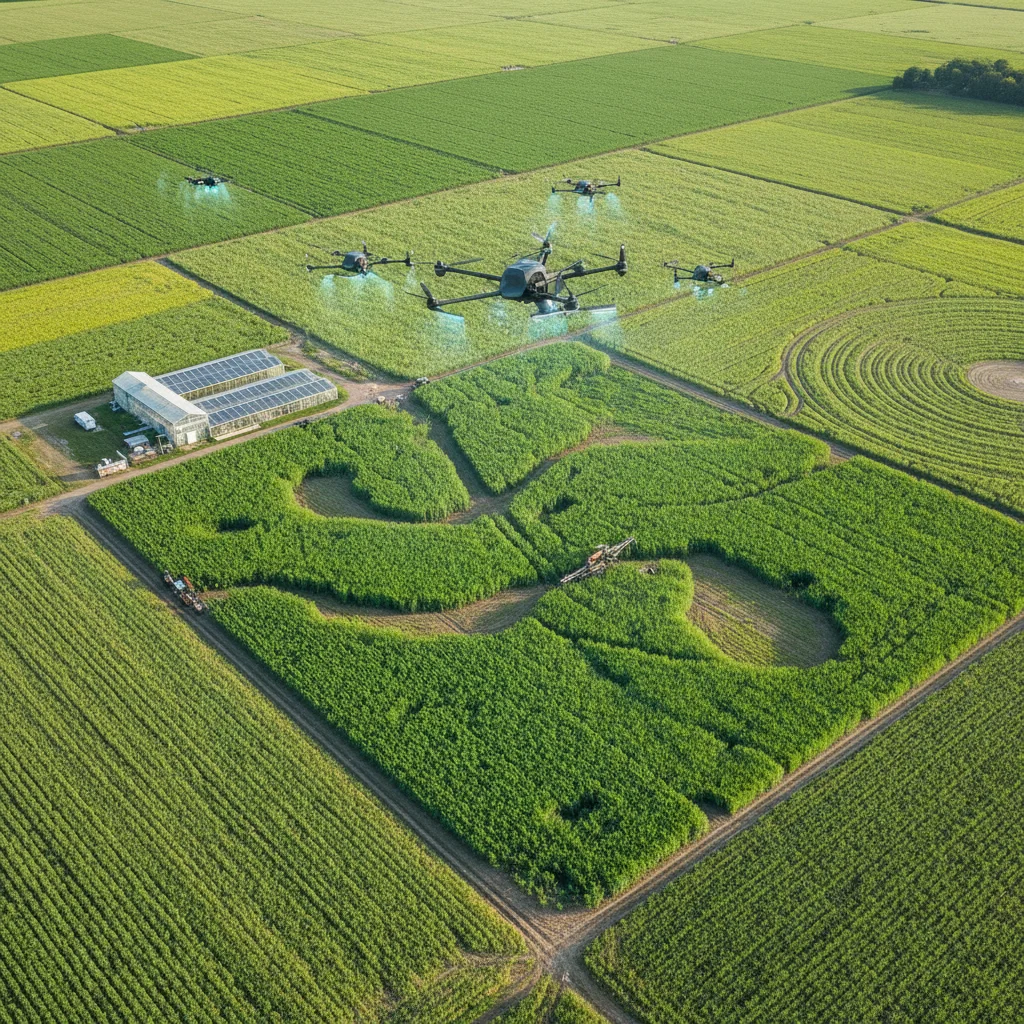
Case Studies and Emerging Technologies Paving the Way
Several initiatives and emerging technologies are already laying the groundwork for the 20% yield increase projected by 2026. These examples highlight the tangible progress being made in synthetic biology agriculture.
The RIPE Project (Realizing Increased Photosynthetic Efficiency):
This international research project, funded by the Bill & Melinda Gates Foundation, is a prime example of ambitious synthetic biology in action. Researchers are engineering plants to photosynthesize more efficiently, aiming for significant yield improvements in staple crops like rice, wheat, and cassava. Early trials have shown promising results, with some engineered plants demonstrating substantial increases in biomass and yield under field conditions. The insights gained from the RIPE project are directly contributing to the goal of boosting agricultural productivity.
Nitrogen-Fixing Cereals:
Companies and academic institutions are actively pursuing the engineering of cereal crops (like corn, wheat, and rice) to fix their own nitrogen, similar to legumes. This would dramatically reduce the need for synthetic nitrogen fertilizers, which are energy-intensive to produce and contribute to environmental pollution. While full self-sufficiency is a long-term goal, even partial nitrogen fixation would represent a massive step forward in sustainable synthetic biology agriculture.
Precision Fermentation for Novel Ingredients:
Beyond crop modification, synthetic biology is also impacting how we produce food ingredients. Precision fermentation uses engineered microorganisms to produce specific proteins, fats, or flavors. This technology can create sustainable alternatives to animal-derived products or develop novel ingredients with enhanced nutritional profiles, reducing the land and resource footprint of food production.
CRISPR-Edited Crops for Disease Resistance:
Various crops are already being developed using CRISPR to confer resistance to devastating diseases. For instance, CRISPR-edited bananas resistant to Panama disease (Fusarium wilt) or CRISPR-edited potatoes resistant to late blight are under development. These advancements not only secure yields but also reduce crop losses, contributing to overall food availability and farmer resilience within synthetic biology agriculture.
AI and Machine Learning Integration:
The power of synthetic biology is amplified when combined with artificial intelligence (AI) and machine learning (ML). AI can analyze vast datasets of genetic information, predict optimal genetic modifications, and even design novel biological pathways. ML algorithms can then fine-tune these designs and predict their performance in various agricultural settings, accelerating the discovery and development process for new traits in synthetic biology agriculture.
These examples illustrate that the vision of a 20% yield increase by 2026 is not merely theoretical but is being actively pursued and supported by concrete scientific advancements and technological integration. The convergence of these innovations is creating a powerful engine for agricultural transformation.
The Future of US Agriculture with Synthetic Biology
Looking beyond 2026, the long-term impact of synthetic biology agriculture on US farming will be even more profound. We are on the cusp of an agricultural revolution that will redefine productivity, sustainability, and the very nature of food production.
Hyper-Efficient Farms:
Imagine farms where every plant is optimized for its specific environment, where nutrient delivery is precise, and where pests and diseases are managed with minimal chemical intervention. This vision of hyper-efficient, resilient farms is within reach, driven by continuous innovation in synthetic biology.
Diverse and Nutritious Food Supply:
Synthetic biology will enable the development of a wider array of crops tailored to specific nutritional needs and consumer preferences. Biofortified staples will become commonplace, addressing global malnutrition. Novel plant-based proteins and other ingredients produced through precision fermentation will diversify our food sources and offer sustainable alternatives.
Climate-Resilient Agriculture:
As climate change accelerates, the ability to engineer crops that can thrive under extreme conditions will be invaluable. Drought-resistant, heat-tolerant, and salt-tolerant varieties will ensure food security even in the face of increasingly unpredictable weather patterns. Synthetic biology agriculture will be a crucial tool in adapting to and mitigating the effects of climate change on food systems.
Reduced Environmental Footprint:
The long-term environmental benefits are perhaps the most compelling. Reduced land use, decreased water consumption, lower reliance on synthetic fertilizers and pesticides, and enhanced carbon sequestration in soils will lead to a significantly smaller ecological footprint for agriculture. This aligns perfectly with broader sustainability goals and the imperative to protect our planet.
Ethical Considerations and Public Engagement:
As these technologies become more integrated into our food system, ongoing ethical discussions and robust public engagement will be essential. Ensuring that synthetic biology is developed and applied responsibly, with consideration for societal values and equity, will be paramount for its continued success and acceptance.
The journey towards a 20% yield increase by 2026, powered by synthetic biology agriculture, is just the beginning. It represents a critical milestone in transforming US agriculture into a more productive, sustainable, and resilient system capable of feeding a growing world population while protecting our precious natural resources. The future of food is being engineered, and it looks remarkably promising.