Winning the US Tech Talent War 2026: Strategies for Attraction & Retention

Winning the US Tech Talent War 2026: Strategies for Attraction & Retention
The year is 2026, and the battle for skilled professionals in the United States tech sector is more intense than ever. Companies across the nation are grappling with the persistent challenge of attracting and retaining top-tier talent in an environment characterized by rapid technological evolution, shifting workforce expectations, and fierce competition. This isn’t merely a hiring crunch; it’s a full-blown US Tech Talent War, where innovation, growth, and even survival depend on securing the brightest minds.
The landscape of tech employment has undergone a seismic shift. The pandemic accelerated trends that were already in motion, such as the embrace of remote work, a greater emphasis on work-life balance, and a heightened demand for specialized skills in areas like AI, cybersecurity, cloud computing, and data science. As a result, companies can no longer rely on traditional recruitment methods or static compensation packages. To win the US Tech Talent War, organizations must adopt dynamic, forward-thinking strategies that address the multifaceted needs and aspirations of today’s tech professionals.
This comprehensive guide delves into the core challenges and presents actionable strategies for businesses aiming to thrive in this competitive arena. We will explore how to build an irresistible employer brand, craft compelling compensation and benefits packages, foster a culture of innovation and growth, leverage advanced recruitment technologies, and prioritize employee well-being and development. The goal is not just to hire; it’s to create an ecosystem where talent flourishes, leading to sustained success and a significant competitive advantage.
Understanding the Shifting Sands of the US Tech Talent War in 2026
Before diving into solutions, it’s crucial to understand the underlying dynamics fueling the US Tech Talent War. Several key factors contribute to the current competitive environment:
1. Exploding Demand for Specialized Skills
The pace of technological advancement shows no signs of slowing down. Emerging fields like quantum computing, advanced AI ethics, augmented reality development, and sophisticated blockchain solutions are creating entirely new categories of jobs. The demand for professionals proficient in these cutting-edge areas far outstrips the current supply. This scarcity drives up salaries and gives highly skilled individuals significant leverage in the job market.
2. The Remote Work Revolution and Global Competition
Remote work, once a perk, is now a fundamental expectation for many tech professionals. While this expands the talent pool for companies, it also intensifies competition. A software engineer in California can now seamlessly work for a company based in New York, or even internationally, without relocating. This geographical fluidity means companies are no longer just competing with local rivals but with organizations worldwide for the same talent. The US Tech Talent War has become a global skirmish.
3. Evolving Employee Expectations
Today’s tech professionals, particularly younger generations, prioritize more than just salary. They seek purpose-driven work, opportunities for continuous learning and career advancement, a positive work-life balance, and a supportive, inclusive company culture. Companies that fail to meet these evolving expectations risk losing out on top candidates and seeing their existing talent walk out the door. The ‘Great Resignation’ of previous years has evolved into a ‘Great Re-evaluation,’ where employees are more discerning than ever about where they invest their time and skills.
4. Demographic Shifts and Talent Pipeline Gaps
While STEM education has seen growth, the pipeline for highly specialized tech roles still struggles to keep pace with industry demand. Furthermore, an aging workforce in some sectors means a significant transfer of knowledge and skills is needed, adding pressure to an already strained talent market. Addressing these pipeline gaps is a long-term strategy, but companies must recognize its impact on the immediate US Tech Talent War.
Strategy 1: Cultivating an Irresistible Employer Brand
In a crowded market, your employer brand is your most potent weapon. It’s the sum total of how your company is perceived as a place to work, and it can significantly influence your ability to attract talent. A strong employer brand doesn’t just fill vacancies; it attracts candidates who are a cultural fit and are more likely to stay long-term.
A. Define Your Unique Value Proposition (EVP)
What makes your company a unique and desirable place to work? Is it your innovative projects, your commitment to social impact, your flexible work policies, or your exceptional leadership? Clearly articulate your EVP, highlighting what sets you apart from competitors. This isn’t just about perks; it’s about the core values and opportunities your organization offers. For instance, if your company is at the forefront of AI ethics, make that a central part of your narrative.
B. Showcase Your Culture Authentically
Transparency is key. Use your website, social media channels, and employee testimonials to showcase your company culture authentically. Feature real employees, their projects, and their experiences. Videos, blog posts, and ‘day in the life’ content can be incredibly effective. Highlight diversity, inclusion, and belonging initiatives, as these are increasingly important to modern tech professionals. A strong, positive culture is a significant draw in the US Tech Talent War.
C. Leverage Employee Advocacy
Your current employees are your best brand ambassadors. Encourage them to share their experiences on platforms like LinkedIn, Glassdoor, and company review sites. Implement employee referral programs that incentivize them to bring in other high-quality candidates. A genuine endorsement from an existing employee carries far more weight than any corporate advertising campaign.
D. Engage with the Tech Community
Participate in industry conferences, host tech meetups, sponsor hackathons, and contribute to open-source projects. This not only positions your company as a thought leader but also allows potential candidates to interact with your team and experience your culture firsthand. Building relationships within the tech community is a long-term investment that yields significant returns in the US Tech Talent War.

Strategy 2: Crafting Competitive Compensation and Benefits Packages
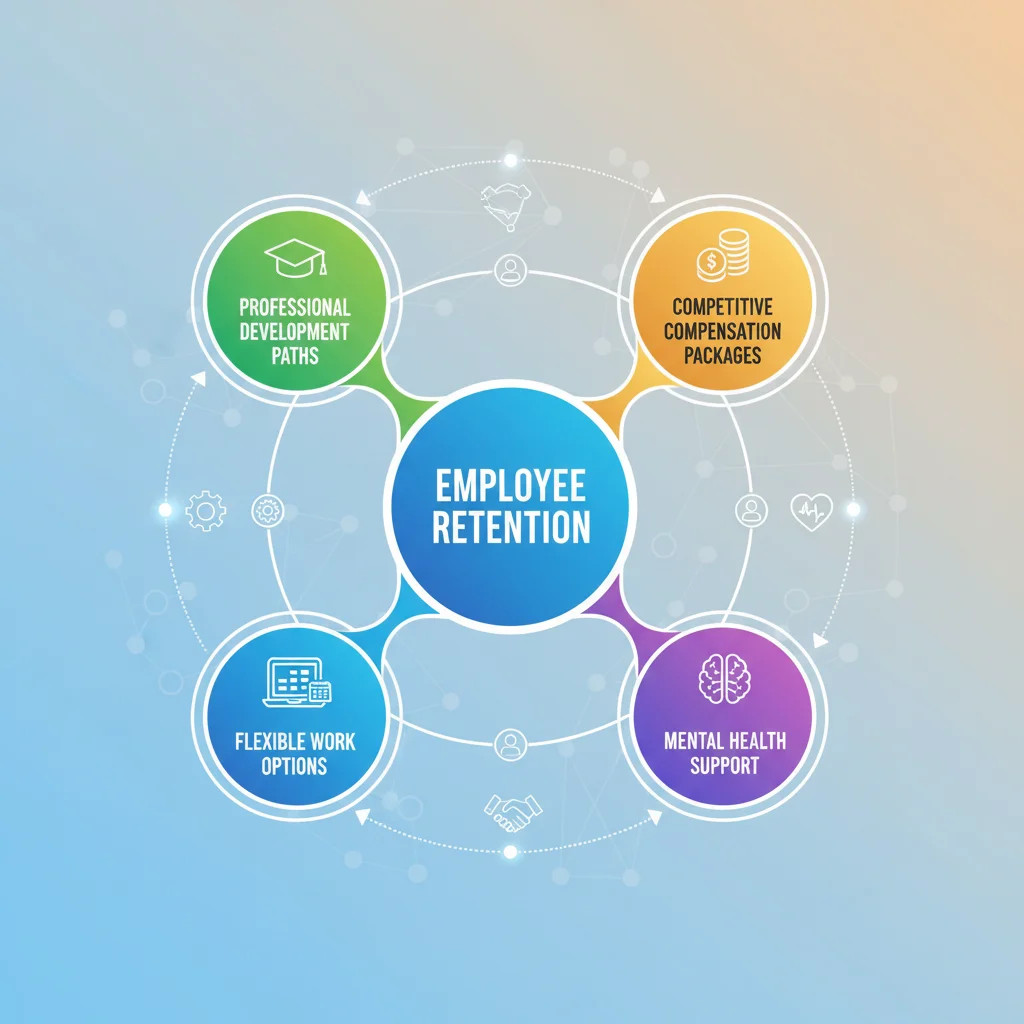
While culture and purpose are vital, compensation remains a critical factor. In the highly competitive US Tech Talent War, companies must offer packages that are not just competitive but compelling.
A. Benchmark Regularly and Offer Above-Market Rates
The tech salary landscape is dynamic. Conduct regular market research to understand current salary trends for specific roles and skill sets. Don’t just aim for market rate; consider offering above-market compensation for highly sought-after skills, especially in areas with severe talent shortages. This demonstrates your commitment to valuing top talent.
B. Comprehensive Health and Wellness Programs
Beyond traditional health insurance, consider offering robust wellness programs that include mental health support, fitness stipends, ergonomic home office setups, and comprehensive parental leave policies. These benefits reflect a genuine concern for employee well-being and are highly attractive to candidates.
C. Flexible Work Arrangements
The expectation for flexible work is now table stakes. Offer options like fully remote, hybrid, or flexible hours where feasible. Empower employees to choose arrangements that best suit their productivity and personal lives. Companies that resist this trend will find themselves at a severe disadvantage in the US Tech Talent War.
D. Equity and Performance-Based Incentives
For many tech professionals, the opportunity to have a stake in the company’s success is a powerful motivator. Offer equity options, stock grants, or performance-based bonuses that align individual contributions with company growth. This fosters a sense of ownership and long-term commitment.
E. Professional Development and Learning Budgets
Tech is an ever-evolving field. Professionals are constantly seeking to upskill and reskill. Provide generous budgets for courses, certifications, conferences, and internal training programs. Demonstrate a clear path for career growth and invest in your employees’ future. This is not just a benefit; it’s an investment in your company’s future capabilities.
Strategy 3: Fostering a Culture of Innovation, Growth, and Inclusivity
Attracting talent is only half the battle; retaining it is equally, if not more, important. A toxic or stagnant work environment will quickly drive away even the most well-compensated employees. To win the US Tech Talent War, cultivate a culture where people want to stay and grow.
A. Prioritize Psychological Safety and Open Communication
Create an environment where employees feel safe to voice ideas, challenge assumptions, and admit mistakes without fear of retribution. Encourage open communication, transparent decision-making, and regular feedback loops. This fosters trust and empowers employees to contribute their best work.
B. Invest in Continuous Learning and Development
Beyond external budgets, create internal pathways for growth. Implement mentorship programs, offer opportunities for cross-functional projects, and provide clear career progression frameworks. Encourage a culture of continuous learning, where experimentation and skill development are celebrated. This directly addresses the desire for growth that many tech professionals share.
C. Champion Diversity, Equity, and Inclusion (DEI)
A diverse workforce brings diverse perspectives, leading to richer innovation and better problem-solving. Implement robust DEI initiatives that go beyond mere quotas. Focus on inclusive hiring practices, equitable opportunities for advancement, and a culture that celebrates differences. This is not just a moral imperative but a strategic advantage in the US Tech Talent War.
D. Empower Autonomy and Impact
Tech professionals thrive on solving challenging problems and seeing the impact of their work. Provide them with autonomy over their projects, trust them to make decisions, and clearly communicate how their contributions align with the company’s larger mission. Reduce bureaucracy and empower teams to innovate.
E. Recognize and Reward Contributions
Regularly acknowledge and celebrate employee achievements, both big and small. Implement recognition programs that go beyond monetary rewards, focusing on public appreciation, peer recognition, and opportunities for leadership. Feeling valued is a powerful retention tool.
Strategy 4: Leveraging Technology and Data in Recruitment
In the US Tech Talent War, technology isn’t just what your employees build; it’s also how you find and hire them. Modern recruitment demands a data-driven, technologically advanced approach.
A. AI-Powered Sourcing and Screening
Utilize AI tools to automate candidate sourcing, identify passive talent, and screen resumes for key skills and experience. AI can help reduce bias in the initial screening process and free up recruiters to focus on more strategic tasks like candidate engagement and relationship building. This streamlines the hiring funnel significantly.
B. Data Analytics for Recruitment Insights
Track key recruitment metrics such as time-to-hire, cost-per-hire, candidate source effectiveness, and offer acceptance rates. Use this data to identify bottlenecks, optimize your recruitment process, and forecast future talent needs. Data-driven decisions are essential for a competitive edge in the US Tech Talent War.
C. Personalized Candidate Experiences
Treat candidates like customers. Provide a seamless, engaging, and transparent application process. Use CRM tools to personalize communications, offer timely updates, and provide constructive feedback. A positive candidate experience, even for those not hired, can enhance your employer brand.
D. Virtual Reality (VR) and Augmented Reality (AR) for Onboarding and Training
Explore the use of VR/AR for immersive onboarding experiences, virtual office tours, and specialized technical training. These technologies can create engaging and effective learning environments, particularly for remote employees, helping them integrate quickly and effectively into your team.
E. Predictive Analytics for Retention
Leverage HR data to identify patterns that might indicate an employee is at risk of leaving. While respecting privacy, predictive analytics can help HR teams proactively address concerns, offer support, or provide new opportunities to at-risk employees, thereby improving retention rates. This proactive approach is crucial in the ongoing US Tech Talent War.
Strategy 5: Building a Sustainable Talent Pipeline and Future-Proofing Your Workforce
Winning the immediate US Tech Talent War is important, but building a sustainable pipeline ensures long-term success. This involves looking beyond immediate hiring needs and investing in the future of your workforce.
A. Internships, Apprenticeships, and University Partnerships
Establish robust internship and apprenticeship programs to nurture emerging talent. Partner with universities and coding bootcamps to identify promising students and provide them with real-world experience. These programs serve as excellent feeders for full-time positions and allow you to shape talent from the ground up.
B. Internal Mobility and Upskilling Programs
Don’t always look externally. Invest in upskilling and reskilling your existing workforce. Create clear pathways for internal mobility, allowing employees to transition into new roles with training and support. This boosts morale, retains institutional knowledge, and is often more cost-effective than external hiring.
C. Focus on Soft Skills and Adaptability
While technical skills are paramount, don’t overlook the importance of soft skills like problem-solving, critical thinking, communication, and adaptability. In a rapidly changing tech landscape, employees who can learn quickly and adapt to new technologies are invaluable. Incorporate these assessments into your hiring and development processes.
D. Global Talent Sourcing and Immigration Support
Given the global nature of the US Tech Talent War, consider expanding your sourcing efforts beyond US borders. For critical roles, offering immigration support and sponsorship can significantly broaden your talent pool, bringing diverse perspectives and highly specialized skills to your organization.
E. Cultivating a Learning Organization
Embed a culture of continuous learning throughout your organization. Encourage knowledge sharing, peer-to-peer learning, and experimentation. Provide dedicated time and resources for employees to explore new technologies and develop innovative solutions. A learning organization is inherently more resilient and attractive to growth-oriented tech professionals.
Conclusion: Thriving in the US Tech Talent War 2026
The US Tech Talent War in 2026 is not a temporary skirmish; it’s the new normal. Companies that recognize this and proactively adapt their strategies will not only survive but thrive. Success hinges on a holistic approach that goes beyond competitive salaries to encompass a compelling employer brand, a vibrant and inclusive culture, continuous opportunities for growth, and a deep commitment to employee well-being.
By implementing the strategies outlined above – from defining a powerful EVP and offering comprehensive benefits to leveraging AI in recruitment and fostering a learning organization – businesses can position themselves as employers of choice. The future of the tech industry belongs to those who can master the art and science of attracting, engaging, and retaining the best and brightest minds. The time to act decisively and strategically is now. Invest in your people, invest in your culture, and you will secure your place at the forefront of technological innovation and market leadership.
Remember, the battle for talent is ongoing. Continuous evaluation, adaptation, and innovation in your talent strategies will be key to maintaining a competitive edge and ensuring long-term success in the dynamic and demanding US tech landscape.